
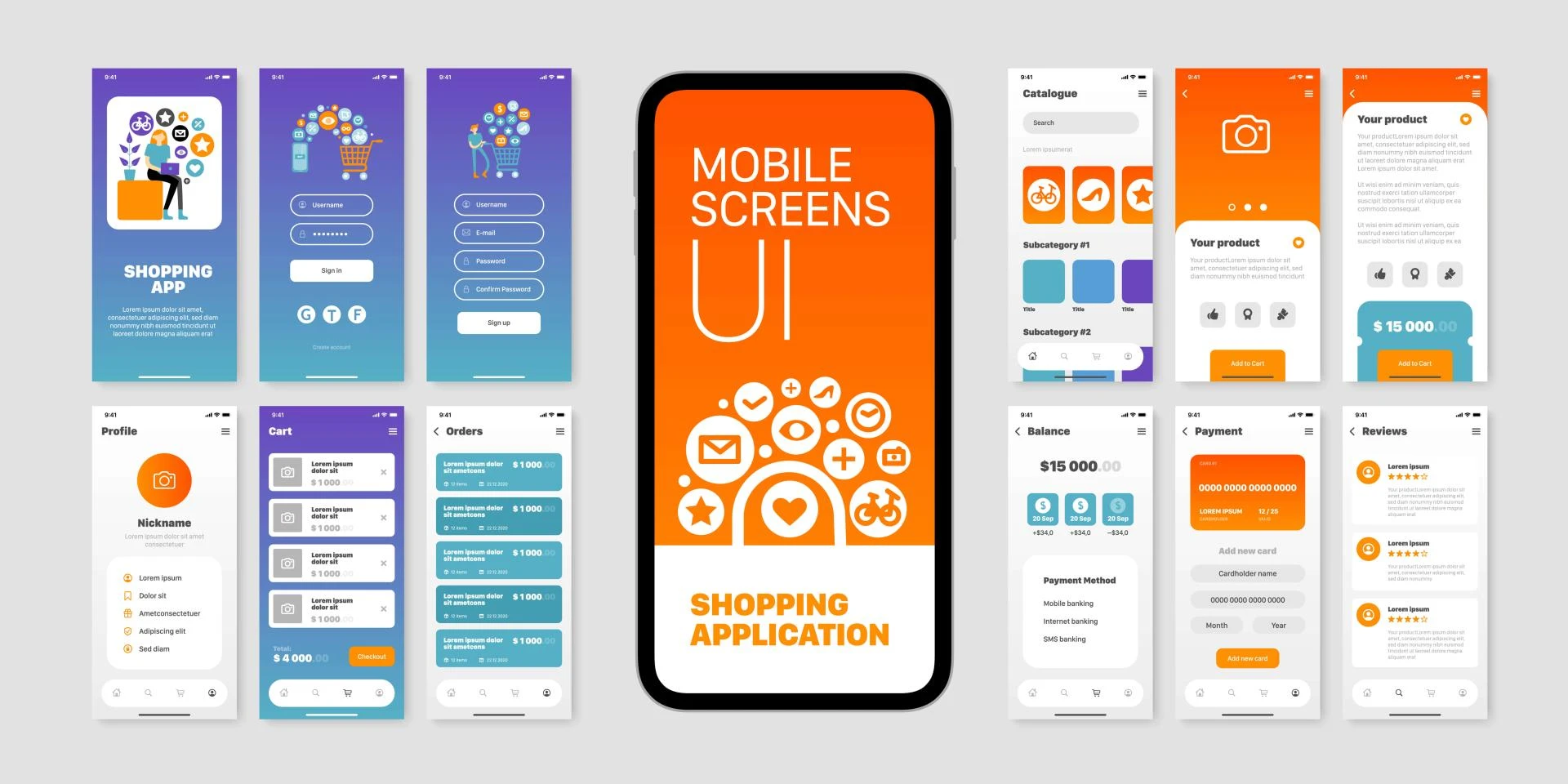
In the dynamic landscape of technology and design, a revolutionary trend is reshaping the way we create digital experiences — the rise of No-Code/Low-Code UI/UX. This innovative approach is not only transforming the role of designers but also empowering entrepreneurs to bring their visions to life without the need for extensive coding expertise.
Breaking Down the Barriers
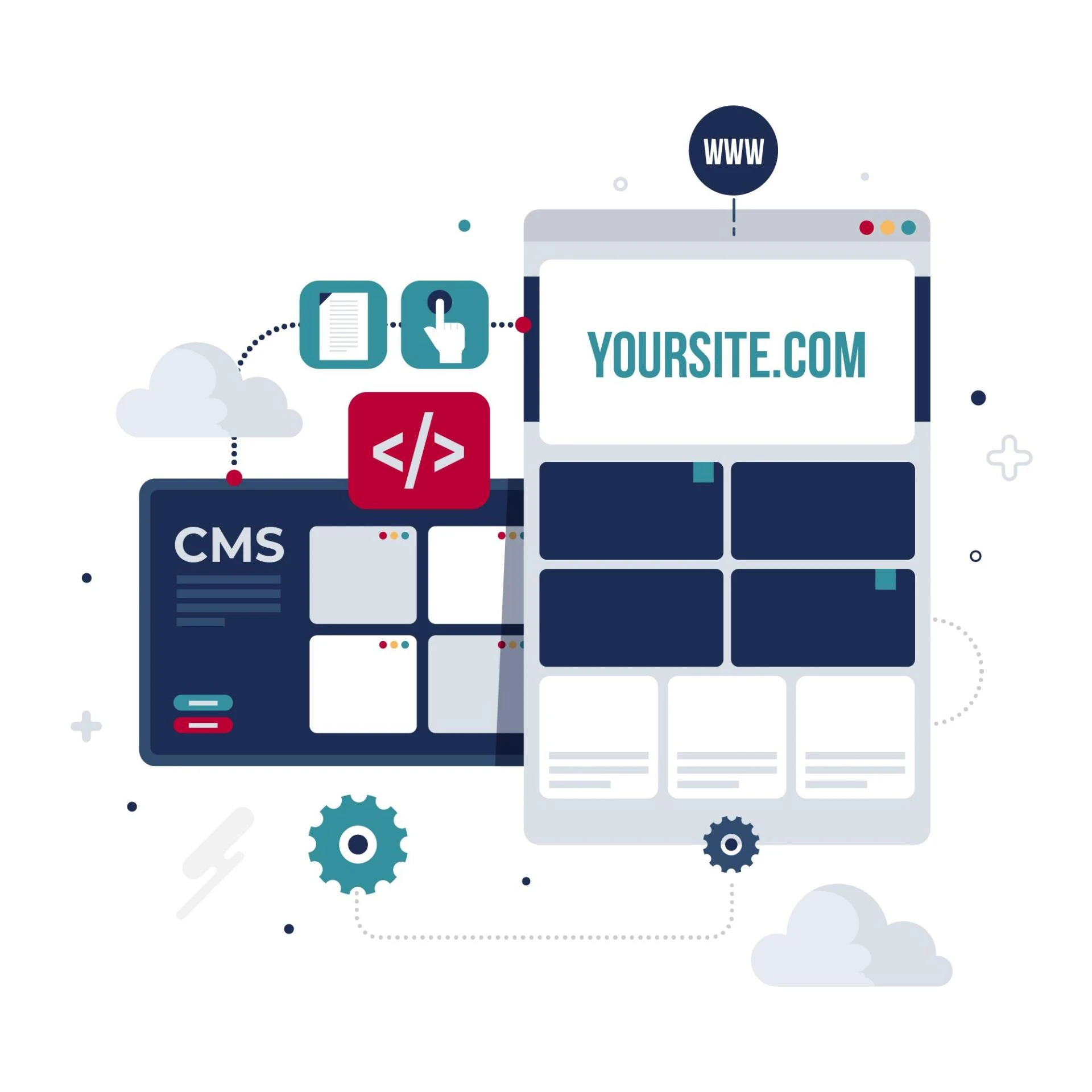
Traditionally, building a digital product required a substantial investment of time and resources in coding. However, No-Code/Low-Code platforms are changing the game by providing intuitive tools and interfaces that enable designers and entrepreneurs to create sophisticated user interfaces and seamless user experiences without writing a single line of code. This shift is breaking down the barriers that once limited the accessibility of digital innovation, opening doors for a broader range of individuals to participate in the creation process.
Empowering Designers with Creative Freedom
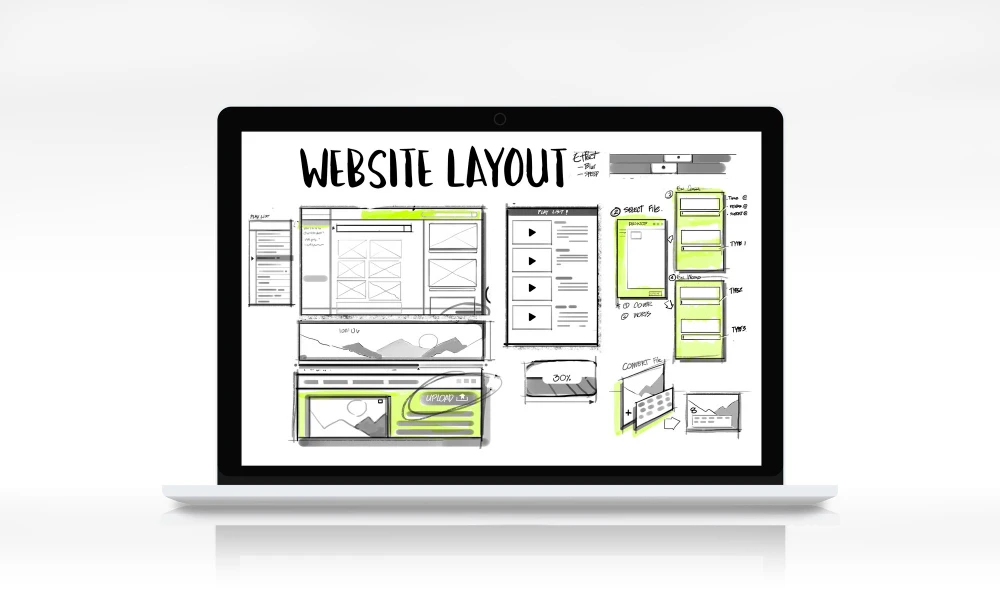
No-Code/Low-Code platforms empower designers to focus on what they do best — design. With drag-and-drop functionality, pre-built templates, and visual interfaces, designers can unleash their creativity without being bogged down by the technical complexities of coding. This not only accelerates the design process but also fosters a more collaborative and iterative approach, as designers can easily make adjustments and experiment with different ideas in real-time.
Accelerating Time-to-Market for Entrepreneurs
For entrepreneurs, time is of the essence. The traditional development cycle can be lengthy and costly, often delaying product launches and market entry. No-Code/Low-Code platforms drastically reduce the development timeline, allowing entrepreneurs to bring their ideas to market faster. This acceleration is a game-changer, especially in industries where speed and agility can make the difference between success and obscurity.
Democratizing Innovation
The democratization of innovation is at the core of the No-Code/Low-Code movement. By eliminating the coding barrier, individuals with diverse backgrounds and skill sets can actively contribute to the creation of digital products. This inclusivity not only fosters a more diverse and vibrant tech community but also ensures that a broader range of perspectives is considered in the design and development process, leading to more user-friendly and inclusive products.
Challenges and Considerations
While the rise of No-Code/Low-Code UI/UX brings numerous benefits, it is not without its challenges. Critics argue that the simplicity of these platforms may compromise the quality and security of the end product. Additionally, there is concern that the overreliance on No-Code/Low-Code solutions could hinder the development of essential coding skills among aspiring designers and developers.
The Future of Design and Entrepreneurship
As No-Code/Low-Code UI/UX continues to gain momentum, it is clear that this paradigm shift is not just a trend but a fundamental change in how we approach digital design and entrepreneurship. The future promises even more advanced tools, improved integration capabilities, and a growing community of designers and entrepreneurs embracing this empowering movement.
Conclusion
In conclusion, the rise of No-Code/Low-Code UI/UX is transforming the creative landscape by giving designers the freedom to design without the constraints of coding and empowering entrepreneurs to turn their ideas into reality swiftly. This democratization of the design and development process is not only making technology more accessible but also fostering a more inclusive and innovative digital era. As we look ahead, it’s evident that the No-Code/Low-Code revolution is here to stay, shaping the future of design and entrepreneurship.
Visit my Upwork profile for — UI/UX design, Mobile Design & Product Designer
Project Catalog for — Mobile App UI UX Design, iOS or Android Mobile APP UX/UI Design & Modern Crypto Design























Sign in to leave a comment.