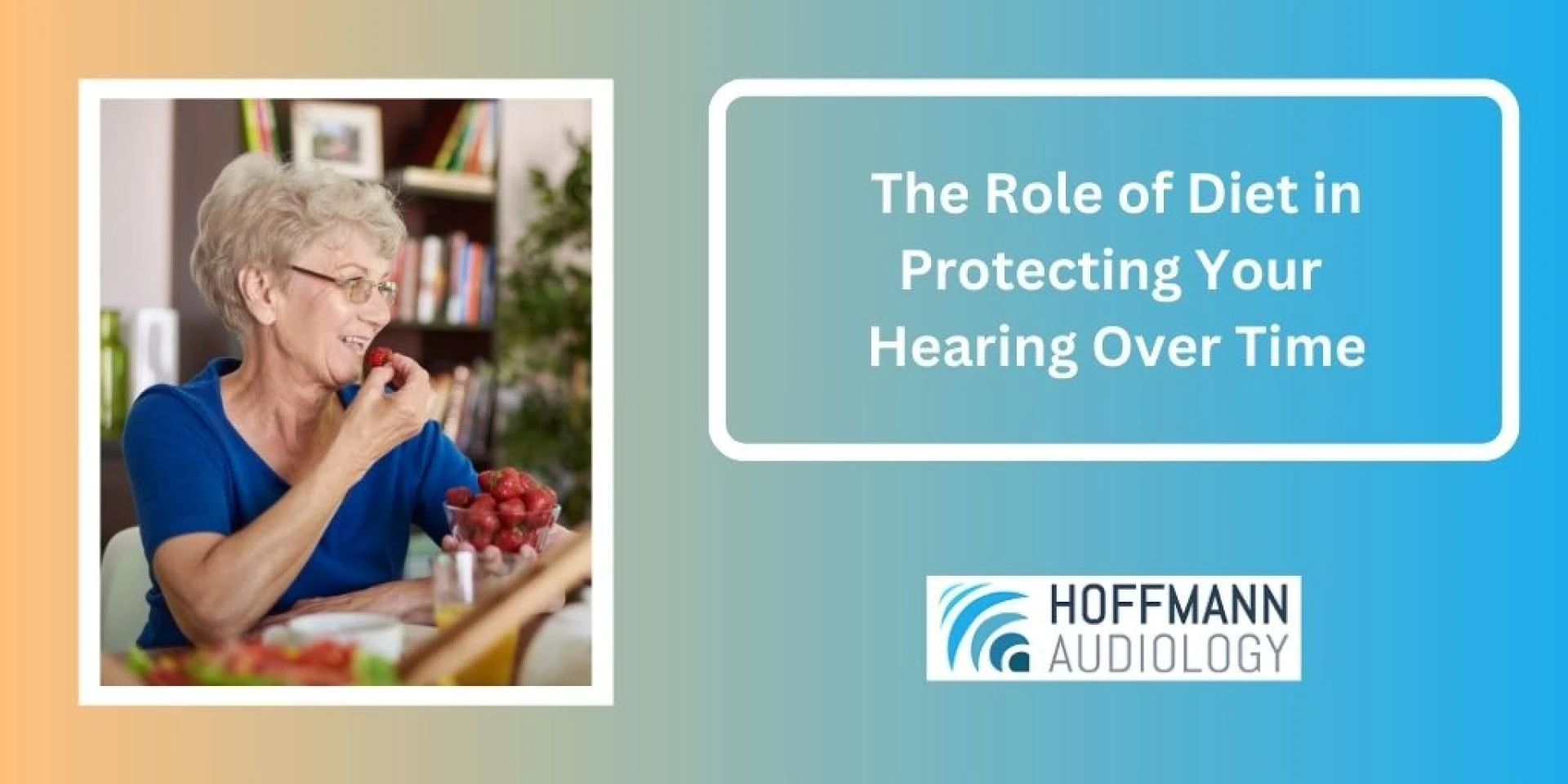

Hearing loss is often considered an inevitable part of aging. However, emerging research suggests that certain lifestyle choices, particularly your eating habits, may influence how well your hearing functions over time. Just as diet plays a critical role in heart, brain, and bone health, it also contributes to the long-term well-being of your ears.
The inner ear is a sensitive and complex structure that relies on a consistent supply of oxygen and nutrients. Damage to its tiny sensory cells - particularly the hair cells in the cochlea - can lead to permanent hearing loss. While some factors are beyond your control, a nutrient-rich diet may help slow or prevent age-related hearing decline by reducing inflammation, improving blood flow, and supporting cellular health.
Here are several evidence-based dietary habits that can help protect your hearing as you age.
1. Increase Antioxidant Intake
Oxidative stress is one of the leading contributors to age-related cellular damage, including in the ears. Antioxidants help combat this damage by neutralizing free radicals that can harm delicate inner ear structures.
Recommended foods:
- Berries such as blueberries, strawberries, and blackberries
- Leafy greens like spinach and kale
- Bell peppers
- Carrots and sweet potatoes
- Nuts and seeds, including almonds and sunflower seeds
A diet rich in antioxidants may reduce inflammation and help preserve hearing by protecting the hair cells responsible for sound transmission.
2. Include Omega-3 Fatty Acids
Omega-3 fatty acids are known for their anti-inflammatory properties and ability to promote healthy blood circulation. Improved circulation supports inner ear function by ensuring that essential nutrients and oxygen reach the auditory system.
Recommended foods:
- Fatty fish, including salmon, sardines, and mackerel
- Chia seeds and flaxseeds
- Walnuts
Studies suggest that omega-3s may help delay the progression of age-related hearing loss and support auditory processing.
3. Focus on Folate and B Vitamins
Folate (vitamin B9) and other B vitamins play a vital role in cell metabolism, nerve function, and red blood cell production. Low levels of folate and B12, in particular, have been associated with a greater risk of hearing decline in older adults.
Recommended foods:
- Lentils and beans
- Asparagus and broccoli
- Whole grains
- Eggs
- Leafy greens such as spinach
Adequate intake of B vitamins supports the auditory nerves and may help reduce the risk of hearing loss related to aging and neurological decline.
4. Limit Sodium Consumption
Excess sodium can contribute to high blood pressure, which in turn can damage the blood vessels that supply the ears. Over time, reduced blood flow can impair the delicate structures of the auditory system.
Tips to reduce sodium intake:
- Prepare meals at home using fresh, whole ingredients
- Limit consumption of processed foods, such as canned soups, packaged snacks, and deli meats
- Read food labels to choose lower-sodium options
Keeping your salt intake in check helps maintain vascular health, which supports proper ear function.
5. Choose Magnesium-Rich Foods
Magnesium is an essential mineral that plays a protective role against noise-induced and age-related hearing loss. It supports nerve function and helps regulate blood pressure.
Recommended foods:
- Bananas
- Avocados
- Legumes, such as black beans and lentils
- Nuts, particularly almonds and cashews
- Dark chocolate (in moderation)
Magnesium may help protect against cellular damage in the auditory system and improve hearing resilience over time.
6. Stay Hydrated and Avoid Excess Sugar
Hydration is crucial for the proper functioning of every organ, including those in the auditory system. Dehydration can lead to fatigue and reduced oxygenation, which may indirectly affect hearing. Meanwhile, high sugar intake can increase inflammation and impact blood vessel health.
Healthy hydration and sugar habits:
- Drink water throughout the day rather than relying on caffeinated or sugary beverages
- Limit consumption of sweetened snacks, desserts, and sodas
- Choose whole fruits over fruit juices for better fiber and nutrient intake
Balanced blood sugar levels and adequate hydration help support ear function and reduce the risk of related complications.
7. Follow a Balanced, Whole-Food Diet
While individual nutrients play specific roles, a consistent, overall healthy eating pattern is the most sustainable way to support long-term hearing health. Diets that emphasize whole, unprocessed foods - such as the Mediterranean diet - are especially beneficial.
General guidelines:
- Fill half your plate with vegetables and fruits
- Choose whole grains like brown rice, oats, and quinoa
- Opt for lean proteins and healthy fats
- Use olive oil instead of butter or margarine
- Snack on nuts or fruit rather than processed options
A well-balanced diet supports cardiovascular health, which is directly connected to auditory function. Over time, these habits can contribute to a lower risk of hearing loss as you age.
Conclusion
Hearing health is influenced by more than just genetics or exposure to loud environments. The foods you eat on a daily basis may play a significant role in preserving your ability to hear clearly well into your later years. By focusing on nutrient-rich, whole foods and minimizing inflammatory ingredients, you are investing in your hearing as part of your overall wellness strategy.
Small, intentional dietary changes today can have lasting benefits for your hearing tomorrow.
Disclaimer: Please note that this information is for educational purposes only. There is no patient-doctor relationship established. Please consult your healthcare provider for individualized recommendations.






























Sign in to leave a comment.