When it comes to maintaining the well-being of a community, the environment plays a crucial role. We often focus on healthcare facilities, healthcare professionals, and wellness programs, but one factor that’s frequently overlooked is the direct connection between a clean, healthy environment and the overall health of a community. This is where restoration services that focus on cleaning, remediating, and restoring affected areas become essential to creating healthier living spaces and a better quality of life for everyone.
The Importance of a Clean Environment
A clean and healthy environment is essential for physical and mental well-being. Pollutants, hazardous waste, mold, and other environmental issues can have long-term effects on both human health and the planet. For instance, mold growth in homes can lead to respiratory issues, while hazardous chemicals left unchecked can contaminate water sources, posing a severe risk to public health. Without proper environmental remediation, these risks could persist and worsen, impacting the vulnerable populations the most, including children, the elderly, and those with pre-existing condition
What Does Environmental Restoration Entail?
Environmental restoration involves specialized processes aimed at cleaning and restoring areas affected by pollutants, mold, water damage, fire, or biohazards. These services are not just about cleaning; they’re about restoring the affected area to its original condition, ensuring the safety of the community. These services may include:
Air Duct Cleaning: Contaminants can accumulate in air ducts over time, leading to poor indoor air quality. Professional cleaning of air ducts improves ventilation and reduces allergens, helping residents breathe cleaner air.
Mold Remediation: Mold spores in damp areas can grow rapidly, making it difficult to remove without the proper knowledge and equipment. Specialized services address mold issues and prevent future growth.
Water Damage Restoration: Whether it’s from a burst pipe, flooding, or natural disasters, water damage can weaken structural integrity and cause health problems like mold and bacteria growth. Professional services not only repair the damage but also sanitize the area to make it safe again.
Fire and Smoke Damage Restoration: After a fire, harmful residues from smoke and soot can linger, causing respiratory issues. Specialized restoration methods help in cleaning and eliminating toxins from the air and surfaces.
Biohazard Cleanup: This service involves the safe removal of harmful substances like bodily fluids, chemicals, or waste. Prompt removal of biohazards is vital to prevent diseases and infections.
How Environmental Restoration Benefits Community Health
1. Prevention of Health Issues
One of the most important benefits of environmental restoration services is the prevention of long-term health problems. By ensuring that areas are free from harmful chemicals, mold, and contaminants, these services directly reduce the risk of respiratory issues, allergies, infections, and even long-term diseases like cancer.
2. Improved Mental Health
Living in a space that is free of pollutants, mold, and water damage can significantly reduce stress levels. People are more likely to thrive mentally in a clean, well-maintained environment, which contributes to a more resilient and happier community.
3. Reduction of Allergens and Pollutants
Services like air duct cleaning help reduce allergens in the home, such as dust, pollen, and pet dander. This not only improves air quality but also reduces the risk of asthma and other respiratory conditions, creating a healthier environment for everyone.
4. Enhanced Safety
Restoration efforts reduce the risk of accidents caused by structural damage due to water or fire, making spaces safer for the community. This can have a direct impact on reducing injuries and accidents in homes, schools, workplaces, and public areas.
5. Preservation of Natural Resources
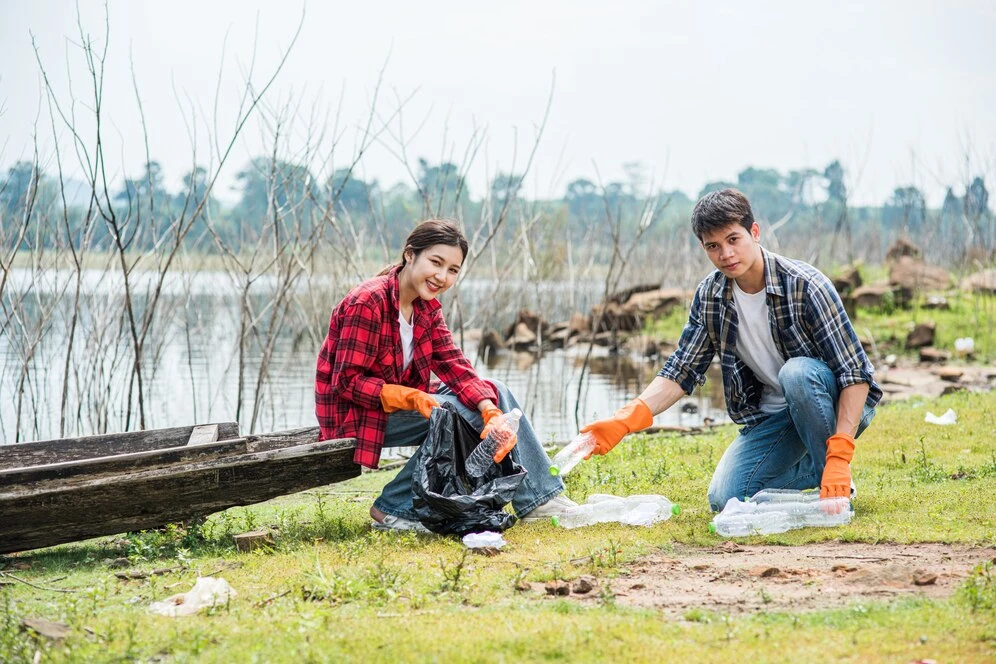
Addressing environmental issues like hazardous waste or contamination through environmental remediation helps preserve local ecosystems. By effectively cleaning and restoring areas impacted by pollution, these services help maintain the delicate balance of local environments, ensuring healthier ecosystems for the community to rely on.
Building Resilient Communities
Environmental restoration efforts do more than just clean—they lay the foundation for healthier, more resilient communities. By addressing environmental issues promptly, these services help maintain the long-term health of residents and ensure that future generations inherit a cleaner, safer world.
Local governments, homeowners, business owners, and property managers can all play a role in creating healthier environments by investing in professional restoration services. Whether it's mitigating damage caused by a flood, cleaning up a hazardous spill, or ensuring mold-free living conditions, these services contribute to building communities that thrive.
Conclusion
Environmental restoration is a vital part of maintaining the health and safety of communities. It prevents long-term health issues, reduces environmental risks, and creates cleaner, safer living spaces. By recognizing the connection between a healthy environment and a healthy community, we can all work together to foster better living conditions for current and future generations. Partnering with trusted providers like The Restoration Contractors ensures that these essential services are delivered with the highest standards, benefiting both the environment and the people who call it home.



























Sign in to leave a comment.