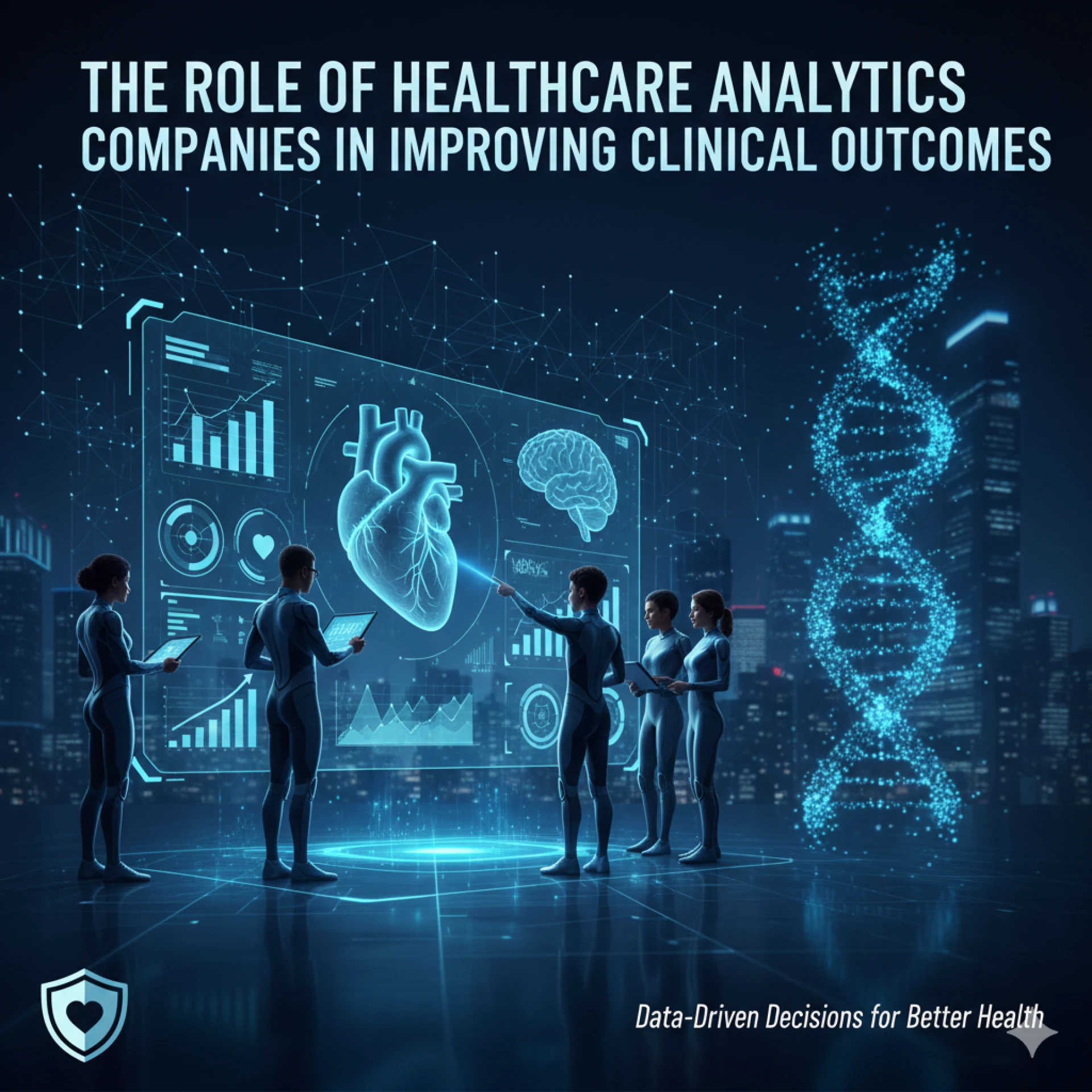

Healthcare organizations generate massive volumes of clinical and operational data, yet outcomes improve only when that data is translated into action. Healthcare analytics companies bridge this gap by converting raw healthcare data into insights that support faster, safer, and more effective clinical decisions.
How Healthcare Analytics Improves Clinical Decision-Making
Healthcare analytics enables clinicians to move from reactive care to proactive intervention by delivering timely, data-backed insights.
Key contributions include:
- Identifying high-risk patients earlier through predictive modeling
- Supporting clinical decisions with real-time dashboards and alerts
- Reducing variability in care by standardizing evidence-based practices
Leading analytics research shared by Health Catalyst’s analytics blog reinforces that data-driven decision-making is directly linked to improved care quality and patient safety.
Improving Documentation Accuracy and Care Quality
Accurate clinical documentation is foundational to reliable analytics and outcome measurement. When documentation gaps exist, patient risk profiles and quality metrics suffer.
Healthcare analytics companies improve accuracy by:
- Detecting coding inconsistencies and documentation gaps
- Aligning clinical data with regulatory and quality standards
- Improving risk adjustment and outcome benchmarking
Advanced data analytics in medical coding ensures that patient conditions and care complexity are accurately represented strengthening both clinical insights and compliance outcomes.
Enabling Predictive and Preventive Care Models
Modern healthcare analytics goes beyond historical reporting, enabling organizations to anticipate clinical events before they occur.
Predictive analytics supports:
- Early identification of patients at risk of readmission or complications
- Proactive chronic disease management
- Personalized care planning based on historical and real-time data
These capabilities are typically delivered through comprehensive data analytics services that combine descriptive, predictive, and prescriptive analytics across care settings.
Insights from Analytics8’s data analytics blog highlight how predictive analytics maturity correlates with improved clinical consistency and patient outcomes.
Supporting Population Health Management
Healthcare analytics companies also play a critical role in managing health at the population level not just individual encounters.
Population health analytics enables organizations to:
- Identify trends across chronic conditions and demographics
- Address care gaps using social determinants of health data
- Design targeted preventive and outreach programs
To operate at this scale, organizations rely on strong data foundations built through modern data engineering services that ensure interoperability, data quality, and secure integration.
Measurable Clinical Outcomes Enabled by Analytics
When implemented effectively, healthcare analytics contributes directly to improved clinical performance:
- Lower hospital readmission rates
- Reduced length of stay (LOS)
- Improved chronic disease control
- Higher patient safety and quality scores
Key Takeaways for Healthcare Leaders
- Healthcare analytics companies convert complex data into clinical action
- Predictive insights enable earlier intervention and preventive care
- Accurate documentation and strong data foundations are essential for outcome improvement
As value-based care continues to expand, healthcare analytics companies remain central to improving clinical outcomes, operational efficiency, and long-term patient health.



























Sign in to leave a comment.