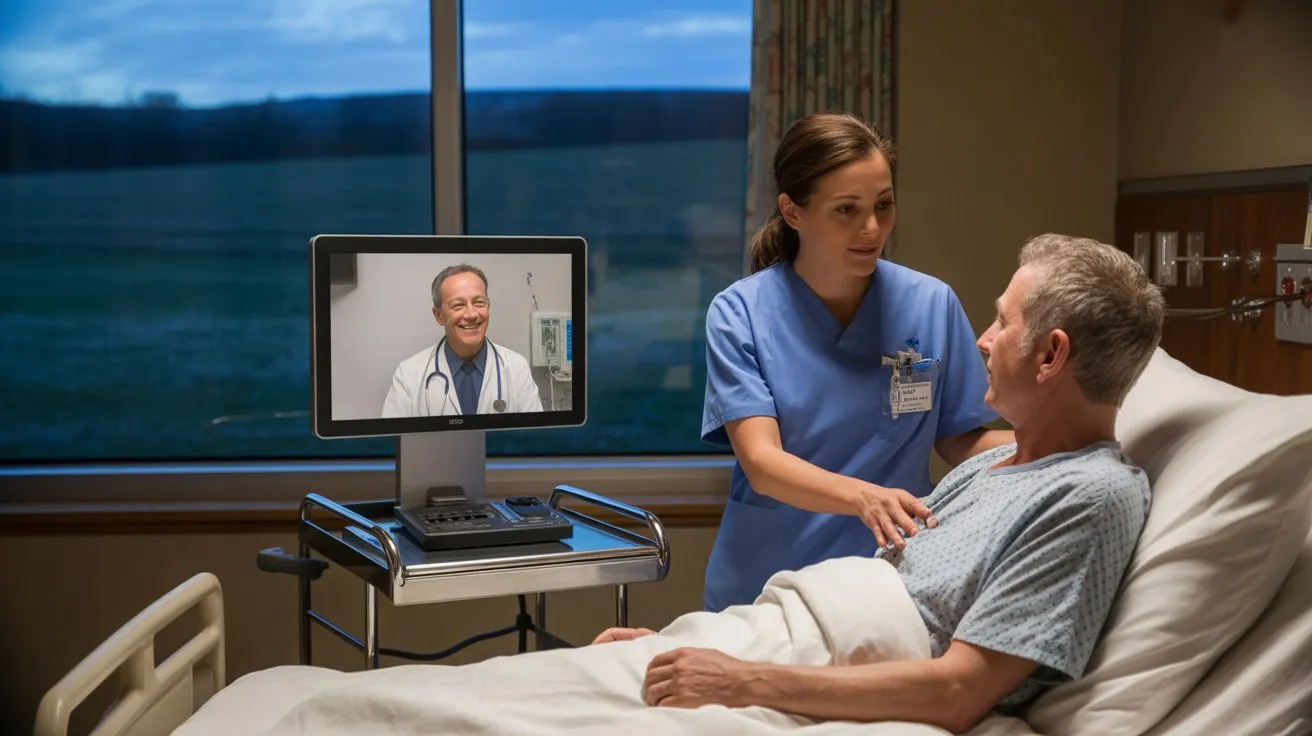

Emergency rooms are often crowded. Patients wait for hours, and doctors work under pressure. Many people visit the ER for minor issues that do not need urgent care. This creates delays for those who truly need immediate attention.
Telehealth is helping solve this problem. It makes healthcare faster, easier, and more accessible. Tools like telemedicine, tele hospitalist services, and support for critical access hospital systems are changing how care is delivered.
Why Emergency Rooms Are Overcrowded
Emergency departments are meant for serious health problems. However, many visits are for non-emergency conditions like mild infections or minor injuries.
This leads to:
- Long wait times
- Overworked staff
- Higher healthcare costs
- Delays in treating critical patients
A better system is needed to guide patients to the right care at the right time.
How Telemedicine Helps
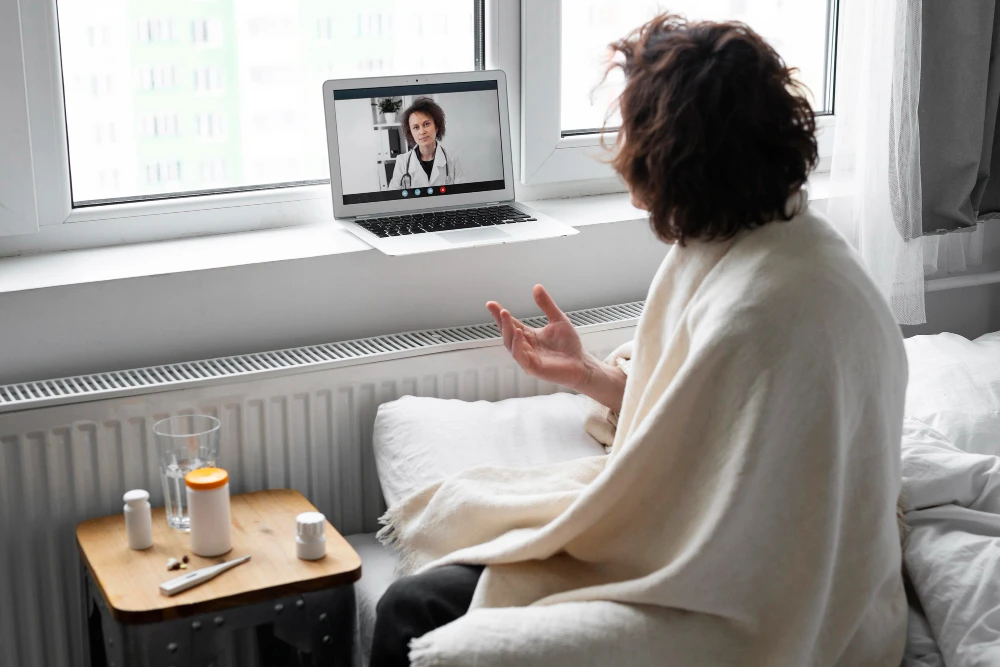
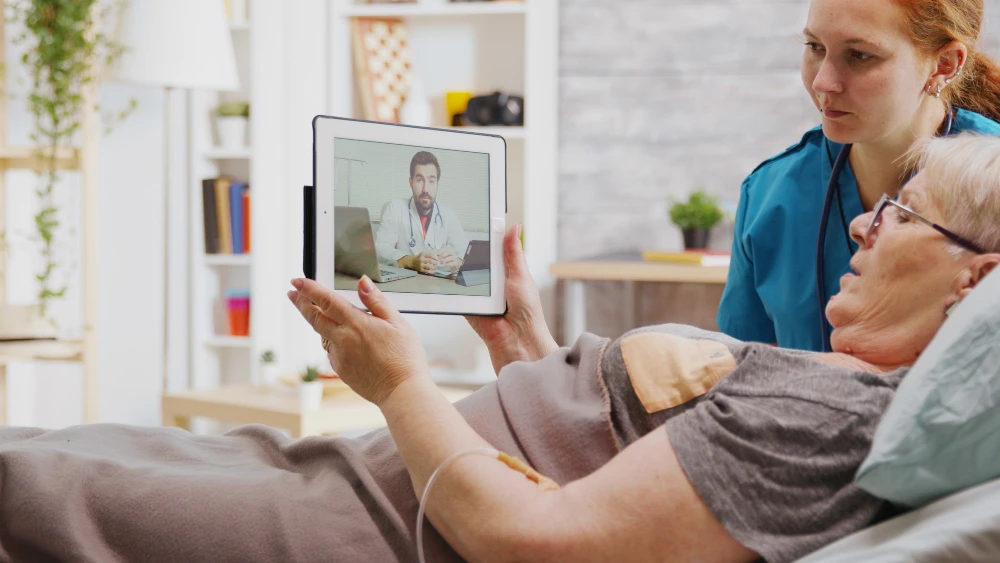
Telemedicine allows patients to speak with doctors online. They can use a phone, tablet, or computer.
This helps reduce ER visits by:
- Giving quick advice for minor health issues
- Helping patients decide if they need emergency care
- Providing follow-up visits without going to the hospital
With telemedicine, many patients can stay at home and still get proper care.
The Role of Tele Hospitalist Services
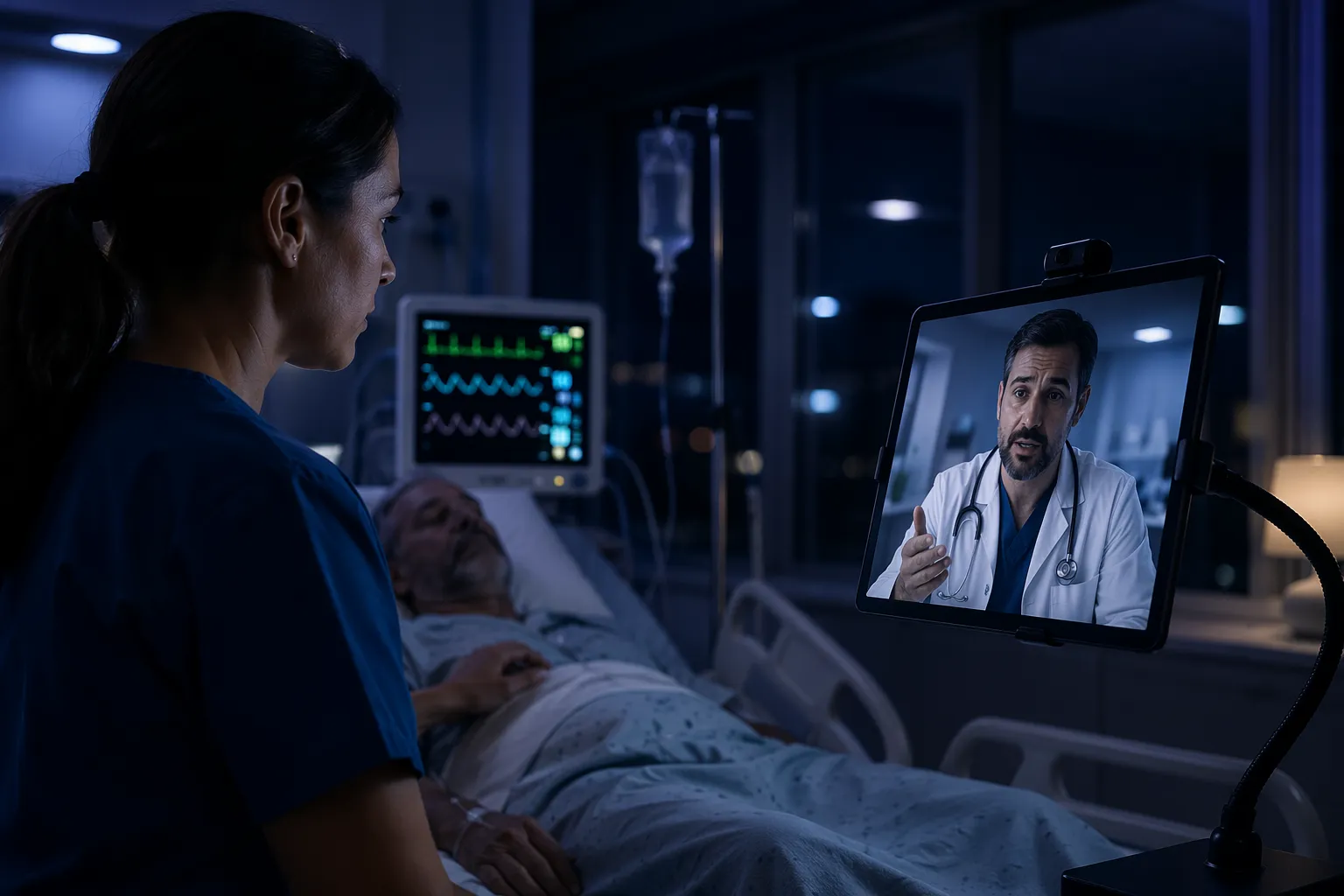
A tele hospitalist is a doctor who supports hospital care from a remote location. They use digital tools to monitor and guide treatment.
Tele hospitalist services help by:
- Speeding up patient admissions and discharges
- Supporting hospital staff during busy times
- Keeping track of patient progress
When patients are discharged faster, hospital beds become available sooner. This reduces the backlog in emergency rooms.
Helping Critical Access Hospital Systems
A critical access hospital serves rural or remote areas. These hospitals often have limited staff and resources.
Telehealth improves their services by:
- Connecting them with specialists in larger hospitals
- Reducing the need to transfer patients
- Providing 24/7 medical support
This allows patients to receive care locally instead of traveling to crowded urban ERs.
Virtual Triage and Remote Monitoring
Telehealth also includes tools that help manage patient care early.
- Virtual triage checks symptoms and guides patients to the right care
- Remote monitoring tracks health conditions and prevents emergencies
These tools stop small problems from becoming serious, which reduces ER visits.
Benefits of Telehealth
Telehealth offers many advantages:
- Faster access to care
- Lower medical costs
- Better patient experience
- Less crowding in emergency rooms
It also helps reduce the spread of infections by limiting hospital visits.
Challenges to Consider
Telehealth is not perfect. Some challenges include:
- Poor internet access in some areas
- Privacy and security concerns
- Lack of training for users
- Insurance and payment issues
These problems need to be addressed for wider adoption.
Conclusion
Telehealth is reshaping the healthcare landscape by offering practical solutions to longstanding challenges like emergency room overcrowding. Through telemedicine, tele hospitalist services, and strengthened support for critical access hospitals, healthcare systems can deliver more efficient, accessible, and patient-centered care. As technology continues to evolve, telehealth will play an increasingly vital role in ensuring that emergency rooms remain available for those who truly need them most.

























Sign in to leave a comment.