
Cars today are more than just a way to get from A to B. They’re rolling bundles of technology, packed with systems that not only make driving easier but also help keep us safer than ever before.
Decades ago, car safety was mostly about seatbelts and maybe an airbag if you were lucky. Now, modern vehicles have an entire network of features working quietly in the background — ready to step in when you make a mistake, when someone else on the road makes a mistake, or when the unexpected happens.
Here’s a closer look at some of the most important safety features you’ll find in many modern cars.
1. Airbags Everywhere
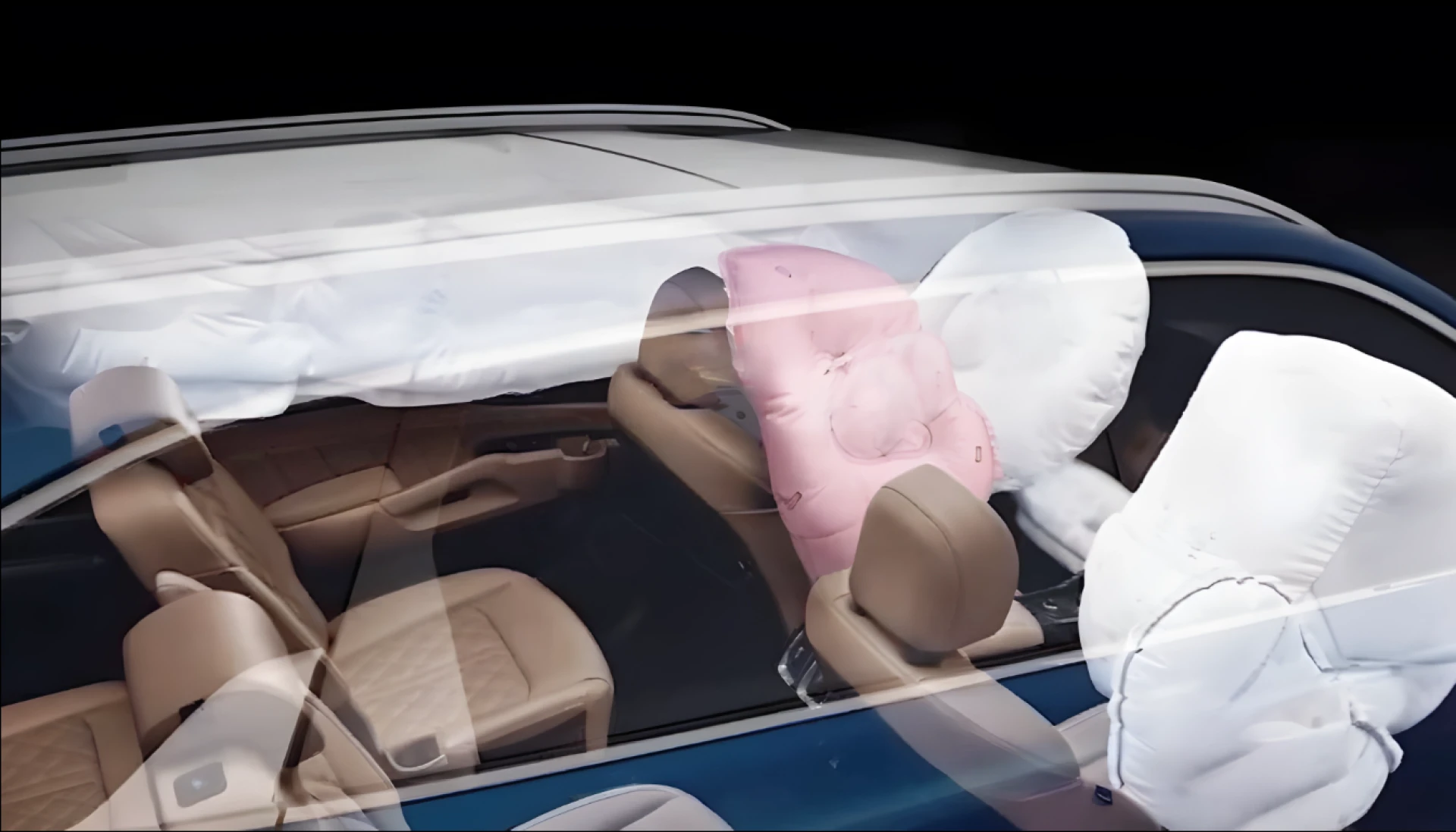
Airbags used to be a luxury; now they’re standard in most vehicles. But the modern airbag system is far more advanced than the single front airbag you might remember from older models.
Many cars now have:
- Front airbags for driver and passenger.
- Side airbags to protect against side-impact crashes.
- Curtain airbags that drop down along the windows to protect heads in a collision.
- Knee airbags to reduce lower-body injuries.
Sensors decide when and how forcefully to deploy the airbags, based on the crash type and severity. The aim is to cushion impact and reduce serious injuries without causing unnecessary harm.
2. Anti-lock Braking System (ABS)
ABS has been around for years, but it’s still one of the most important safety features on the road. In a sudden stop, ABS prevents the wheels from locking up, helping you maintain steering control.
That means if a deer runs out in front of you or traffic stops suddenly, you have a better chance of steering around danger instead of skidding straight into it.
3. Electronic Stability Control (ESC)
If you’ve ever hit a patch of ice or taken a corner too fast, you know how easy it is for a car to lose traction. ESC helps prevent skids by detecting when the car is starting to go in a different direction than you’re steering. It then automatically applies the brakes to individual wheels to bring things back under control.
This technology has been credited with reducing single-vehicle crashes significantly — especially in bad weather conditions.
4. Adaptive Cruise Control
Cruise control has been around for decades, but adaptive cruise control takes it to another level. Instead of maintaining a fixed speed, the car uses radar or cameras to monitor the vehicle ahead. It then adjusts your speed automatically to keep a safe following distance.
It’s particularly helpful on long motorway drives, reducing fatigue and making sudden traffic slowdowns less stressful.
5. Lane Departure Warning and Lane Keeping Assist
Drifting out of your lane — whether from distraction or fatigue — is a common cause of accidents. Lane departure warning systems alert you if you start to stray without signalling, often with a beep, vibration, or visual cue.
Lane keeping assist takes it a step further by gently steering the car back into the lane if you don’t respond quickly. It’s like having a co-pilot who notices when your attention slips.
6. Blind Spot Monitoring
No matter how carefully you check your mirrors, there’s always that one spot you can’t see. Blind spot monitoring uses sensors to watch those tricky areas and alert you — usually with a light in the mirror or a sound — if another vehicle is there.
Some systems will even intervene to prevent you from changing lanes into another car.
7. Automatic Emergency Braking (AEB)
AEB is one of the most impressive developments in modern car safety. Using cameras, radar, or both, it detects when a collision with a vehicle, cyclist, or pedestrian is likely. If you don’t react in time, the system automatically applies the brakes to either avoid the crash entirely or reduce its severity.
Studies have shown AEB can significantly cut down on rear-end collisions, especially in stop-and-go traffic.
8. Rear-view Cameras and Parking Sensors
Backing up has always been a tricky manoeuvre, especially in crowded areas. Rear-view cameras give you a clear picture of what’s directly behind the car, while parking sensors beep to warn you when you’re getting too close to an object.
These features make reversing safer for you, pedestrians, and your bumper.
9. Tyre Pressure Monitoring Systems (TPMS)
Driving on under-inflated tyres doesn’t just hurt your fuel economy — it can also make blowouts more likely and reduce your car’s handling. TPMS keeps an eye on your tyre pressure and alerts you if one or more tyres drop below the recommended level.
It’s a small thing, but it can prevent accidents before they even have a chance to happen.
10. Automatic High Beams
Switching between low and high beams at night can be a hassle — and forgetting can dazzle other drivers. Automatic high beam systems detect oncoming headlights and tail lights ahead, switching your lights to low beam automatically. Once the road is clear, they switch back.
It’s a simple way to improve night driving safety without extra effort.
Why These Features Matter
Even the most experienced driver can have a moment of distraction or face a situation they can’t avoid. Modern safety features act as a safety net, reducing the risk of accidents and the severity of those that do happen.
They also highlight a shift in how we think about car safety. It’s no longer just about surviving a crash — it’s about preventing it in the first place.
The Human Side of Car Safety
It’s worth remembering that technology isn’t a replacement for paying attention. Features like AEB, lane assist, and blind spot monitoring are there to help, but they can’t read every situation perfectly. The driver is still the most important safety feature in the car.
That said, these systems can make a big difference in the moments when we’re not at our best — whether that’s after a long day at work, during a surprise snowstorm, or when someone else on the road makes a bad decision.
The Bottom Line
Modern cars are full of safety features that would have been unthinkable just a generation ago. From airbags and stability control to smart braking systems and driver alerts, they’re all designed with the same goal: to get you to your destination in one piece.
While no car can eliminate risk entirely, today’s technology gives us more tools than ever to avoid danger, stay in control, and protect ourselves and others on the road. And that’s something worth appreciating the next time you get behind the wheel.































Sign in to leave a comment.