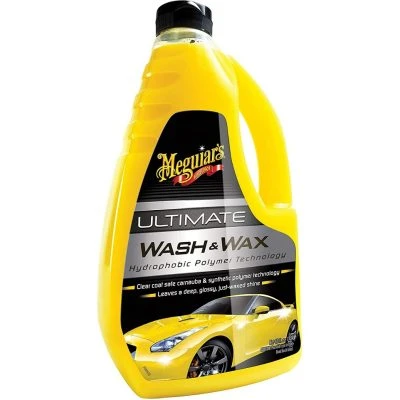

In the world of automotive detailing, car wax polish stands as a cornerstone of preservation and enhancement. Beyond the shimmering gloss it imparts to vehicles, there's a rich scientific foundation underpinning its efficacy. Understanding the chemistry and mechanics behind Car wax polish reveals its role in safeguarding and beautifying your cherished automobile.
The Basics of Car Wax Polish
At its core, car wax polish consists of various natural and synthetic waxes, oils, and additives carefully formulated to provide protection and shine. These ingredients work synergistically to create a barrier between the vehicle's paint and the elements it encounters daily.
Protection against the Elements
The primary function of car wax polish is to shield the paintwork from environmental aggressors such as UV radiation, moisture, dirt, and pollutants. UV radiation from the sun is particularly damaging, leading to paint oxidation and fading over time. Car wax acts as a sacrificial layer, absorbing UV rays and preventing them from penetrating the paint surface.
Furthermore, the hydrophobic properties of car wax repel water, reducing the chances of water spots and corrosion. By creating a slick surface, wax minimizes the adhesion of dirt and contaminants, making it easier to wash away debris without damaging the paint.
Enhancing Shine and Appearance
Beyond protection, car wax polish enhances the aesthetic appeal of the vehicle by creating a deep, lustrous shine. The wax fills microscopic imperfections in the paint surface, resulting in a smooth and reflective finish. This optical enhancement gives the paint a more vibrant and dynamic appearance, making the vehicle stand out on the road or at car shows.
Understanding the Chemistry
The effectiveness of car wax polish lies in its chemical composition and how it interacts with the paint surface. Carnauba wax, derived from the leaves of the Brazilian palm tree, is a popular ingredient in many high-quality car waxes due to its durability and gloss-enhancing properties. Synthetic polymers and resins are often added to provide additional protection and longevity.
When applied to the paint surface, car wax forms a thin, transparent film that bonds to the clear coat. This film acts as a barrier, shielding the underlying paint from UV radiation and environmental contaminants. The hydrophobic nature of wax ensures that water beads up and rolls off the surface, preventing water spots and promoting easy cleaning.
Application Techniques Matter
While the science behind car wax polish is crucial, proper application techniques are equally important for achieving optimal results. Thoroughly washing and drying the vehicle before waxing removes surface contaminants and ensures that the wax adheres properly. Applying wax in thin, even layers using a microfiber applicator pad or cloth allows for uniform coverage and better bonding to the paint surface.
After allowing the wax to dry to a haze, buffing it off with a clean microfiber towel reveals the brilliant shine beneath. Regular maintenance, including periodic waxing and washing, helps preserve the protective layer and prolong the lifespan of the wax finish.
Conclusion
In conclusion, car wax polish serves as a vital component of automotive care, combining scientific principles with practical application to protect and enhance your vehicle. By understanding the chemistry behind car wax and mastering proper application techniques, you can keep your car looking its best for years to come. As a testament to its effectiveness, car wax polish stands as a timeless tradition in the pursuit of automotive perfection.



























Sign in to leave a comment.