
Musculoskeletal pain is one of the leading causes of reduced mobility and physical disability worldwide. It can affect the muscles, tendons, ligaments, joints, and bones, making everyday activities more difficult and limiting participation in work, exercise, and recreation. While conventional treatments such as medication, physical therapy, and lifestyle modifications remain important, regenerative medicine has introduced additional options that focus on supporting the body's own healing mechanisms. One of the most widely discussed regenerative treatments is Platelet-Rich Plasma (PRP) therapy.
PRP therapy has attracted growing attention because it uses components from a patient's own blood to support tissue repair. Although research is still evolving, many healthcare professionals consider PRP therapy as part of a personalized treatment strategy for selected musculoskeletal conditions. Understanding the science behind this treatment helps patients make informed decisions when discussing available options with their healthcare providers.
Understanding Musculoskeletal Pain
The musculoskeletal system includes bones, muscles, tendons, ligaments, cartilage, and connective tissues that work together to support movement and stability. Pain may develop due to acute injuries, repetitive stress, arthritis, age-related degeneration, or overuse.
Unlike superficial injuries that often heal quickly, tissues such as tendons and cartilage have a limited blood supply. This reduced circulation may slow the natural healing process, allowing pain and inflammation to persist for extended periods.
Successful treatment often requires addressing both symptom management and the biological processes involved in tissue recovery.
What Is Platelet-Rich Plasma?
Platelet-Rich Plasma is created using a small sample of the patient's own blood. The sample is processed in a centrifuge, which separates the blood into different components based on density.
The resulting platelet-rich portion contains a higher concentration of platelets than is normally present in circulating blood. Platelets are best known for helping blood clot after injury, but they also contain numerous growth factors and signaling proteins involved in tissue healing.
These naturally occurring biological substances are the reason PRP therapy has become an area of interest within regenerative medicine.
The Role of Platelets in Healing
When tissue is injured, platelets are among the first cells to arrive at the affected area. Their primary function extends beyond stopping bleeding.
Platelets release growth factors that help coordinate the healing process by attracting repair cells, stimulating new blood vessel formation, supporting collagen production, and encouraging tissue regeneration. These biological signals assist the body in repairing damaged structures over time.
PRP therapy seeks to concentrate these healing components and deliver them directly to the area requiring treatment.
How PRP Therapy Is Performed
The procedure generally begins with collecting a small blood sample from the patient. The blood is placed inside a centrifuge, where rapid spinning separates platelets from other blood components.
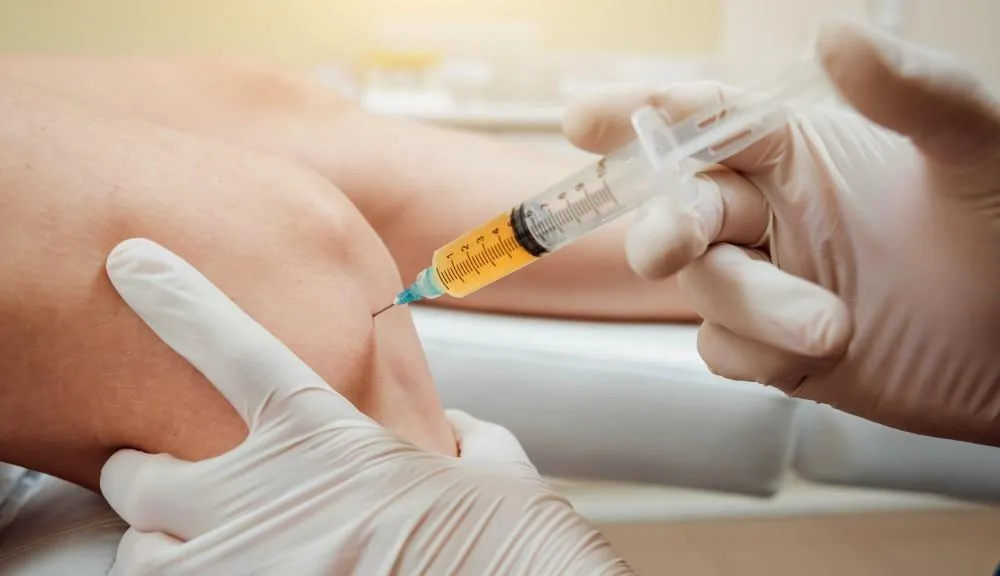
Once prepared, the platelet-rich plasma is injected into the targeted tissue using sterile techniques. In many cases, imaging guidance such as ultrasound helps improve placement accuracy.
Because PRP uses the patient's own blood, the likelihood of allergic reactions or immune rejection is considered very low.
Conditions Commonly Evaluated for PRP Therapy
Research has investigated PRP therapy for a variety of musculoskeletal conditions, including:
- Chronic tendon injuries
- Tennis elbow
- Golfer's elbow
- Rotator cuff disorders
- Mild to moderate knee osteoarthritis
- Plantar fasciitis
- Ligament injuries
- Certain muscle injuries
- Persistent joint pain
The effectiveness of treatment depends on several factors, including the condition being treated, the severity of tissue damage, patient health, rehabilitation participation, and the specific PRP preparation method.
What Does Scientific Research Show?
Scientific interest in PRP therapy has increased substantially during the past decade. Numerous clinical studies have evaluated its effectiveness across different orthopedic and sports medicine conditions.
Current evidence suggests that PRP may provide meaningful improvement for selected tendon disorders and mild to moderate osteoarthritis. Some studies report reduced pain and improved physical function compared with certain conventional treatments, while others demonstrate more modest results.
Researchers continue to investigate which patient populations, injury types, and preparation techniques produce the most consistent outcomes. Because protocols vary among studies, ongoing research remains important for refining treatment recommendations.
PRP as Part of Comprehensive Pain Management
PRP therapy is rarely considered a standalone solution. Instead, it is often incorporated into a broader rehabilitation program that includes physical therapy, strengthening exercises, flexibility training, weight management, and activity modification.
Exercise helps restore muscle strength and joint stability, while rehabilitation encourages proper movement patterns during tissue healing. Combining multiple evidence-based strategies may improve long-term functional outcomes.
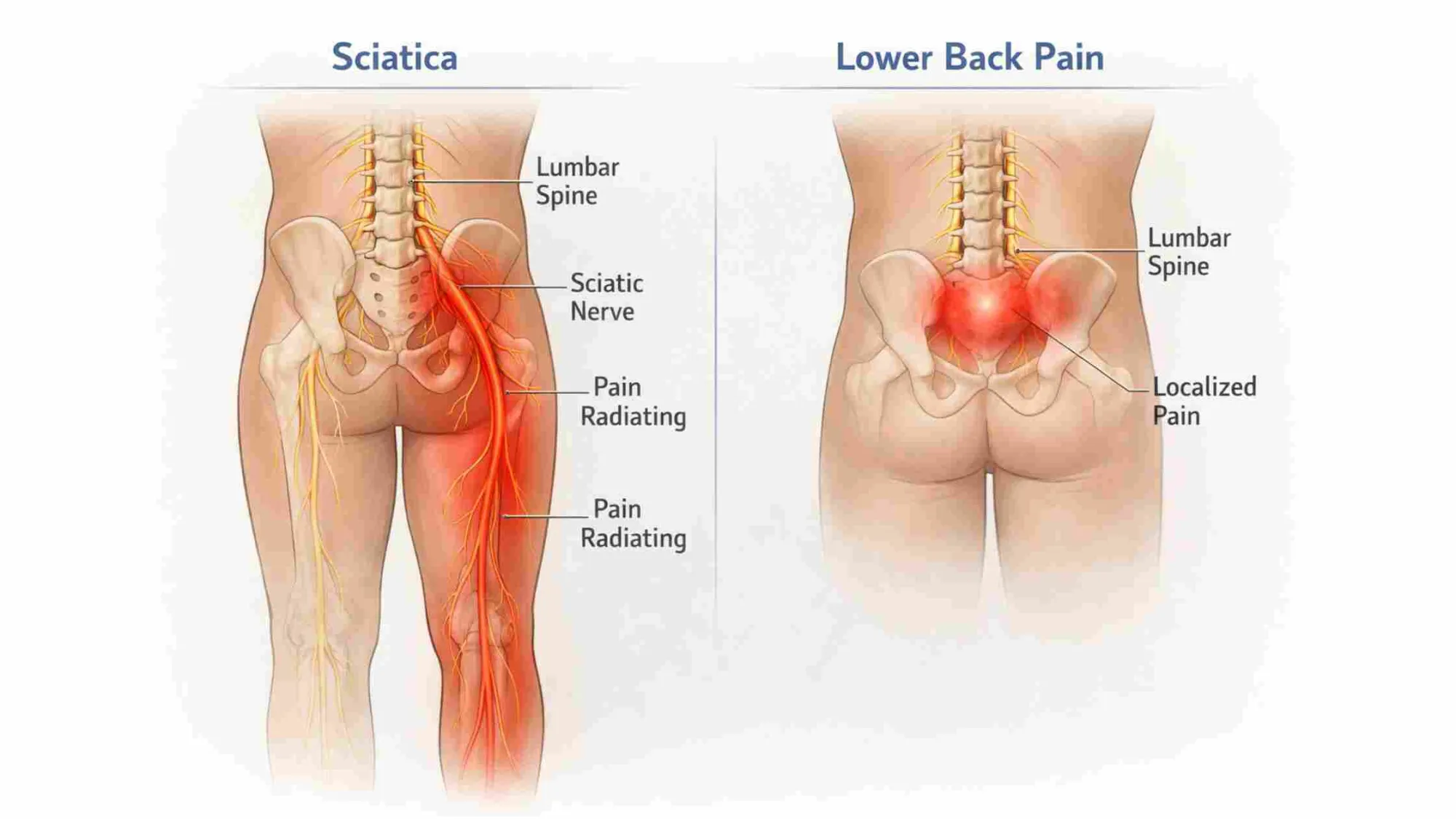
Individuals experiencing persistent spinal discomfort may consult a Back Pain Doctor in Newport Beach to determine whether regenerative therapies could complement other conservative treatment options based on an accurate diagnosis.
Recovery After PRP Therapy
Recovery timelines vary depending on the condition being treated and the individual's overall health.
Some patients notice temporary soreness after the injection because the body's healing response has been activated. Improvement often develops gradually over several weeks or months rather than immediately.
Healthcare providers frequently recommend limiting strenuous activity for a short period before beginning structured rehabilitation exercises. Following post-treatment recommendations plays an important role in achieving the best possible outcome.
Is PRP Right for Everyone?
Although PRP therapy has shown promise, it is not suitable for every patient or every condition. Factors such as severe arthritis, certain blood disorders, active infections, or other medical conditions may influence whether the procedure is appropriate.
A comprehensive medical evaluation helps determine if regenerative treatment aligns with the patient's diagnosis, symptoms, and overall health goals. Careful patient selection remains one of the most important factors in successful treatment planning.
Patients considering PRP Injections for Natural Rejuvenation should discuss expected benefits, potential limitations, recovery timelines, and available alternatives with their healthcare provider before making treatment decisions.
Conclusion
The science behind PRP therapy continues to evolve as researchers gain a deeper understanding of how platelets contribute to tissue healing and musculoskeletal recovery. By concentrating naturally occurring growth factors from a patient's own blood, PRP therapy represents an innovative regenerative approach that may support healing in carefully selected cases.
While PRP is not a cure for every musculoskeletal condition, current evidence suggests it may play a valuable role within a comprehensive pain management plan that also includes physical therapy, exercise, education, and healthy lifestyle habits. Continued research and individualized patient assessment remain essential for determining when this regenerative treatment offers the greatest potential benefit.
























Sign in to leave a comment.