

Neglecting small repairs can leave a home at risk of larger issues and costly bills. Minor problems like leaky faucets or cracked caulking might seem insignificant, but they can lead to serious water damage or increased utility costs.
Homeowners should regularly check roofs, plumbing and insulation for signs of wear. By addressing these tasks promptly, significant damage and expenses can be avoided.
Key Takeaways
- Addressing small leaks promptly prevents extensive water damage and costly repairs down the line.
- Regularly inspect and maintain plumbing to avoid issues like mold growth and increased utility bills.
- Cracked caulking and gaps in windows can lead to energy inefficiency and higher heating or cooling costs.
- Routine checks on roofs and gutters can prevent severe water damage and preserve your home's structural integrity.
- Prioritize small repairs to maintain property value and avoid unexpected financial burdens in the future.
Understanding the Importance of Small Repairs
While many homeowners might overlook small repairs, understanding their importance can lead to significant benefits over time. Regularly addressing minor issues through preventive maintenance can help maintain a home’s value and prevent larger problems.
Routine inspections allow homeowners to identify and fix small repairs before they escalate, saving both time and money. For instance, a tiny leak in a pipe can lead to water damage if neglected, while a small crack in the wall can become a structural concern.
By prioritizing these small tasks, homeowners guarantee a safe, efficient and well-maintained living environment, ultimately enhancing their overall quality of life.
Common Minor Issues That Can Lead to Major Problems
Small repairs often serve as warning signs that should not be ignored. Addressing common leaks and minor cracks early can prevent more significant issues down the line. Homeowners should be vigilant about these small problems, as they can escalate quickly.
Here are some common minor issues to watch for:
- Leaky faucets that waste water
- Cracked caulking around tubs or sinks
- Gaps in window frames that invite drafts
- Minor cracks in walls that indicate foundation issues
- Rusty pipes that may lead to water damage
The Financial Impact of Neglected Repairs
Neglecting minor repairs can lead to significant financial consequences for homeowners, as small issues often snowball into much larger problems. When homeowners put off fixing leaks, cracks, or faulty wiring, they may face unexpected repair costs that create a financial strain.
For example, a small water leak can lead to mold growth, resulting in expensive remediation efforts. Over time, these neglected repairs can impact property value, making homes less appealing to potential buyers.
By addressing minor repairs promptly, homeowners can avoid the escalating costs associated with major damage, ultimately saving money and maintaining the integrity of their homes.
Identifying Areas of Your Home That Need Attention
Identifying areas of a home that require attention is essential for maintaining its value and comfort. Common problem areas, such as roofs, plumbing and insulation, can often go unnoticed until they lead to larger issues. A seasonal maintenance checklist can serve as a helpful tool to guarantee that all key aspects of the home receive regular assessments and care.
Common Problem Areas
While many homeowners may overlook certain areas of their homes, understanding where problems commonly arise can prevent larger issues down the road.
Common problem areas include:
- Leaky faucets that waste water and increase bills
- Cracked foundations that can compromise structural integrity
- Roof leaks that may lead to mold and water damage
- Old plumbing that could result in serious leaks
- Deteriorating gutters that can cause water pooling around the house
Seasonal Maintenance Checklist
How can homeowners guarantee their properties remain safe and functional throughout the year? A seasonal maintenance checklist is essential for this task. Homeowners should create a list of seasonal tasks, such as checking the roof for damage in the fall and cleaning gutters in the spring.
Maintenance reminders can help them remember to inspect smoke detectors, change air filters and seal windows. Moreover, checking outdoor plumbing before winter can prevent costly repairs.
By staying proactive with these tasks, homeowners can identify areas needing attention and avoid bigger bills later. Regular maintenance guarantees a safe, efficient and comfortable living environment all year.
DIY vs. Professional Help - When to Call an Expert
When deciding between DIY projects and hiring a professional, it is essential to identify the complexity of the issue at hand. Some repairs may seem straightforward but could reveal hidden problems that require expert knowledge, while others might be manageable for someone with basic skills. Evaluating one's own skill level honestly can help homeowners determine the best course of action, ensuring safety and success in home repairs.
Identifying Complex Issues
Determining whether to tackle a home repair issue independently or to call a professional can be challenging. Proper complex issue identification is key, as ignoring early warning signs can lead to bigger problems. Homeowners should consider the following factors:
- Complexity of the issue
- Required tools and materials
- Time commitment involved
- Safety risks associated with the repair
- Previous experience with similar tasks
Assessing Your Skill Level
Recognizing one’s skill level is a fundamental step in deciding between a DIY approach and hiring a professional for home repairs. A thorough skill assessment helps homeowners understand their repair confidence.
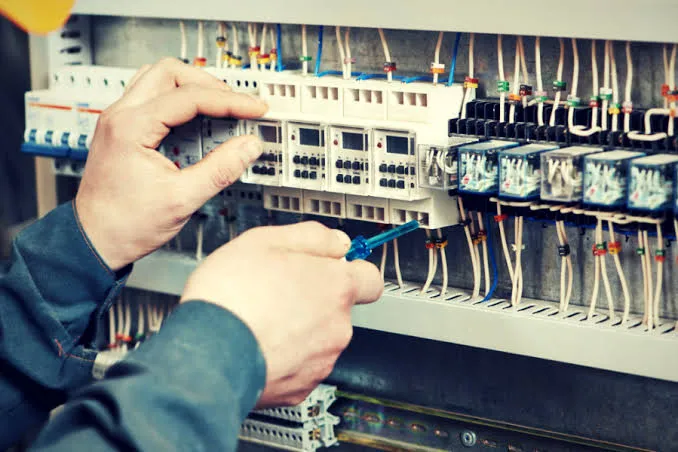
For simple tasks like painting or changing light bulbs, a DIY approach may suffice. However, for complex issues like electrical work or plumbing, it’s wise to consult an expert.
Homeowners should consider their experience, tools and comfort level with the task. Making the right choice not only saves money but also guarantees safety and quality results. Ultimately, knowing when to call in a professional can prevent bigger problems down the road.
Creating a Home Maintenance Schedule
Creating a home maintenance schedule is essential for keeping a house in good condition, as it helps homeowners stay organized and proactive about repairs. Regular home upkeep can prevent costly issues later. A well-structured schedule should include maintenance frequency for various tasks.
Homeowners can consider the following items:
- Inspecting roofs and gutters (twice a year)
- Changing air filters (every 1-3 months)
- Checking smoke alarms (monthly)
- Servicing HVAC systems (annually)
- Cleaning appliances (as needed)
Benefits of Proactive Home Care
While many homeowners may not realize it, proactive home care offers numerous benefits that extend beyond just maintaining appearances. Engaging in proactive maintenance helps identify and resolve issues before they escalate into costly repairs.
This approach not only saves money but also preserves and even enhances home value over time. Regular inspections and updates can prevent major problems, ensuring a safe and comfortable living environment.
Furthermore, a well-maintained home is more attractive to potential buyers, making it easier to sell if needed. Ultimately, investing in proactive home care is a smart strategy for both financial and emotional peace of mind.





























Sign in to leave a comment.