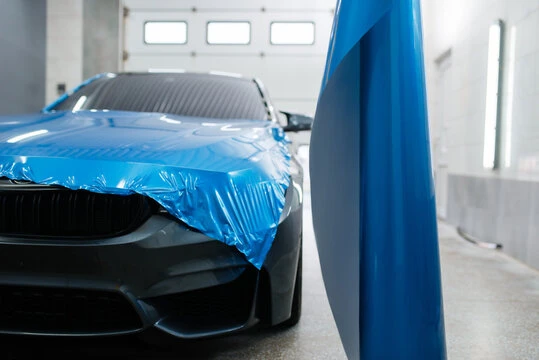
If you have ever watched a professional wrap a car, you know the work is slower and far more methodical than most people expect. The Arizona climate adds another layer of complexity. Heat, dust, and relentless UV exposure punish anything that sits outside for too long. A wrap that might last years in a coastal city can fail fast here if the installer is careless. Understanding how the process unfolds helps you appreciate why a quality wrap costs what it does and why shortcuts eventually show themselves on the road.
1. Consultation and Design Planning
Getting a vinyl car wrap in Phoenix starts with a straightforward conversation about what you want the vehicle to look like and how you plan to use it. Color is the obvious part, but finish matters just as much. Matte behaves differently from gloss in direct sunlight. Metallic films can highlight body lines in a way that some owners love and others regret. This is also when the installer examines the paint and explains how the desert environment will affect the material over time. The goal is to match your expectations with something that will survive Phoenix heat without fading or lifting.
2. Full Vehicle Inspection
Once the plan is set, the technician gives the car a close inspection. Not the casual walkaround that dealerships do. They run fingers along edges, look for baked-on oxidation, search for tiny chips along door panels, and note any repaired areas that might stand out under the vinyl. Wraps cling best to clean, solid paint. Any imperfection that catches light today will show itself twice as loudly once the film is on.
3. Deep Cleaning and Surface Prep
The cleaning stage is far more intense than a standard wash. Phoenix dust works its way into every seam and sits deep in the clear coat, so the car gets clayed, stripped, and degreased until the surface feels smooth enough to squeak under a microfiber towel. This level of prep mirrors the Phoenix auto detailing standard because adhesive has zero tolerance for residue. Even a faint trace of road oil can create a bubble that grows over time.
4. Component Removal for Seamless Edges
To get the wrap to look like factory paint, certain pieces come off. Mirrors, badges, trim, sometimes even door handles if the design calls for it. Most owners never think about this part, but removing components lets the vinyl tuck into natural gaps instead of being trimmed along the outer edge. It adds time, yet it is the difference between a wrap that looks clean and one that telegraphs every shortcut.
5. Measuring and Pre-Cutting the Material
Before any film touches the car, the installer measures and pre-cuts each section. Doors, fenders, bumpers, and the hood all require their own layout. Cutting too small creates tension that stretches the color unevenly. Cutting too large forces awkward seams. Good installers take their time here because the better the prep, the easier the installation feels later.
6. Applying the Vinyl Wrap
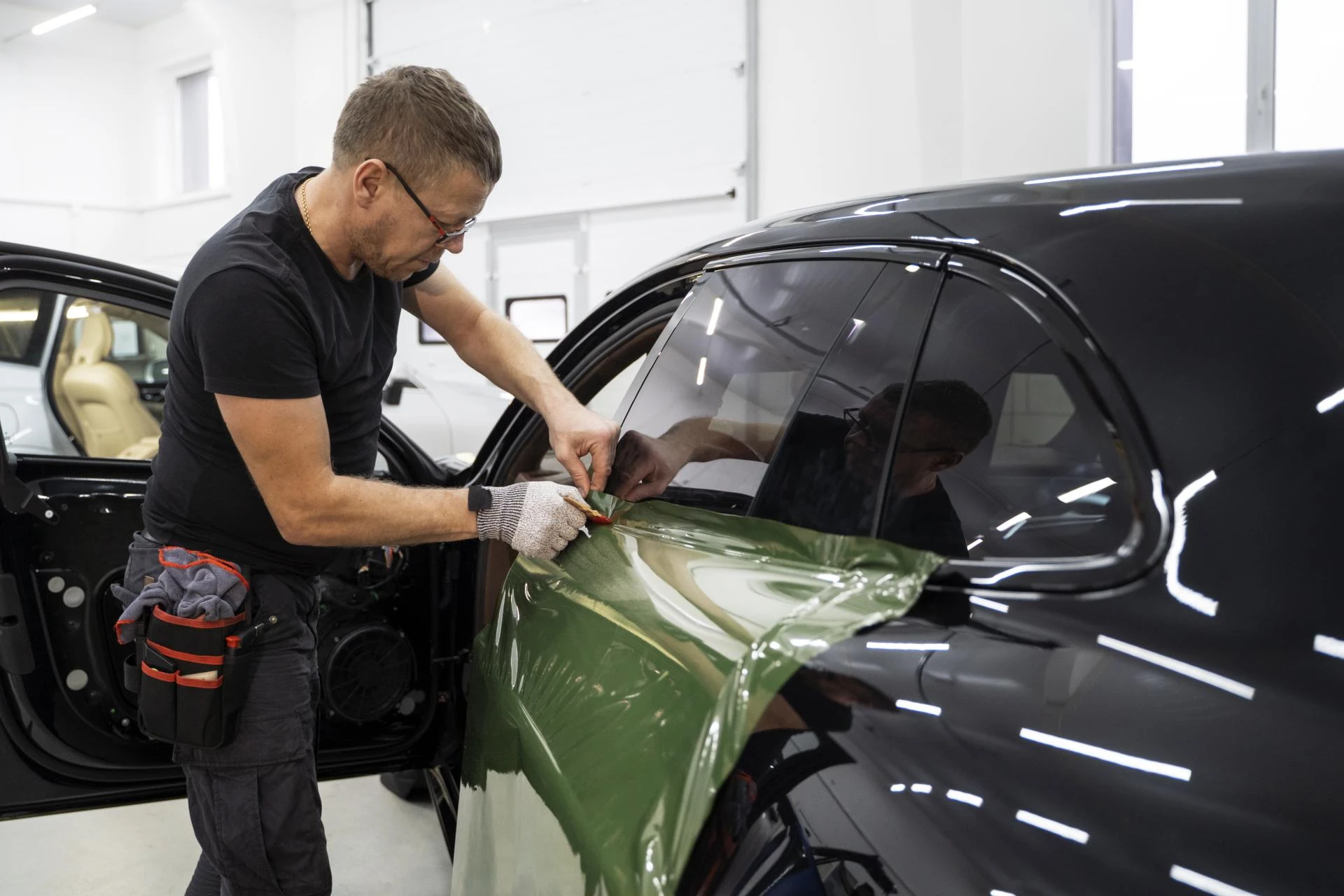
This is the part everyone imagines, but it is far less dramatic than it looks online. The installer warms the vinyl until it reaches the right softness, then lays it onto the panel and works the material around curves with calm, steady pressure. Some areas fight back. Bumpers are notorious. Recessed spots need gentle coaxing to avoid creases. You can tell when someone has experience because the vinyl settles into place without strain. Edges get sealed only when the installer is fully satisfied with the panel.
7. Post-Heating and Adhesive Activation
Once the wrap sits exactly where it should, the vehicle goes through a post-heating round. Heat activates the adhesive so it bonds fully with the paint. In Phoenix, this step matters more than people realize. Summer temperatures can instantly expose weak adhesives. Proper post-heating locks the vinyl in place and keeps it stable when the mercury spikes.
8. Final Inspection and Maintenance Guidance
Then comes the last and final step, which is a final inspection and a simple rundown on how to care for the wrap. Most owners are surprised by how easy the maintenance actually is. Avoid harsh chemicals, wash regularly, and stay away from automatic car washes that use stiff brushes. Wraps hold up well when treated with the same attention you would give high-end paint correction. Taking cues from Phoenix Auto Detailing helps the material stay crisp and bright.
Conclusion
A company like Kenyon Auto Cosmetics follows this structured, careful process so each wrap settles cleanly onto the car without visible flaws or stressed edges. When every stage is done right, the vehicle rolls out looking refreshed and intentional, with better protection, stronger color, and a finish that handles the Arizona environment with confidence.


























Sign in to leave a comment.