

Manual document processing continues to drain time, money, and operational focus across enterprises. Teams spend hours entering data, correcting errors, and chasing missing information across systems. Even with this effort, accuracy remains inconsistent and delays persist across workflows. As document volumes increase, these inefficiencies multiply, affecting finance cycles, customer response times, and compliance readiness. Many organizations assume the cost is limited to labor, but the real impact extends into data quality, risk exposure, and decision-making delays. This blog breaks down the full cost of manual document processing, covering direct expenses, hidden operational gaps, and how modern approaches address these issues at scale.
What Is Manual Document Processing in Enterprise Workflows?
Manual document processing refers to handling documents without automation, where employees read, interpret, and input data into systems.
Definition of Manual Document Handling Across Business Functions
It includes data entry, verification, document routing, approvals, and reconciliation tasks performed across finance, operations, and compliance teams.
Common Processes That Still Rely on Manual Input
Invoice entry, purchase order validation, contract review, claims processing, onboarding documents, and reconciliation workflows often depend on manual effort.
Why Manual Processing Persists in Modern Enterprises
Manual workflows persist due to legacy systems, fragmented data sources, lack of integration, and resistance to process redesign. Many teams continue with existing processes because they appear familiar and predictable.
As document volumes grow, these limitations begin to surface more clearly.
Where Manual Document Processing Begins to Break
Manual systems struggle when scale, complexity, and speed requirements increase.
High Dependency on Human Data Entry Across Systems
Human input introduces inconsistency. Different individuals interpret and enter data differently, which leads to variation across records.
Delays Introduced During Document Intake and Routing
Documents often sit in inboxes or queues waiting for review. These delays slow down the entire workflow.
Lack of Standardization Across Document Formats
Enterprises receive documents in multiple formats, including PDFs, images, and emails. Manual processes cannot standardize these efficiently.
These issues directly contribute to rising operational costs.
Direct Financial Costs of Manual Document Processing
The financial impact of manual processing is measurable and often underestimated.
Labor Costs Associated with Data Entry and Verification
A significant portion of employee time is spent on repetitive tasks such as entering and validating data.
Cost of Rework Due to Errors and Incomplete Data
Errors require correction, which means additional time and effort. This creates a cycle of rework.
Overtime and Resource Allocation During Peak Periods
During month-end or high-volume periods, teams often work extra hours to meet deadlines.
Beyond these visible costs, hidden inefficiencies continue to accumulate.
Hidden Operational Costs That Go Unnoticed
Many operational costs remain hidden within daily workflows.
Time Lost in Exception Handling and Corrections
Teams spend hours investigating discrepancies and resolving mismatches.Over time, this repeated effort adds up, which is why many teams start exploring how automation changes outcomes. Learn more about the benefits of intelligent document processing.
Productivity Impact on Finance and Operations Teams
Employees are diverted from strategic work to repetitive tasks, reducing overall productivity.
Cost of Repeated Manual Reviews and Approvals
Multiple review cycles increase processing time and create inefficiencies.
These inefficiencies also affect data accuracy.
The Accuracy Problem in Manual Document Workflows
Manual processes often lead to inconsistent and unreliable data.
Human Error in Data Entry and Interpretation
Typing errors, missed fields, and incorrect assumptions are common.
Inconsistent Data Capture Across Teams and Systems
Different teams may follow different approaches, leading to variation in data quality.
Impact of Errors on Downstream Processes
Errors affect reporting, reconciliation, compliance checks, and decision-making.
Accuracy issues also slow down business operations.
How Manual Processing Affects Business Speed
Delays in document processing directly impact business timelines.
Delays in Invoice Processing and Payment Cycles
Late invoice processing can lead to delayed payments and missed financial opportunities.
Slower Financial Close and Reporting Timelines
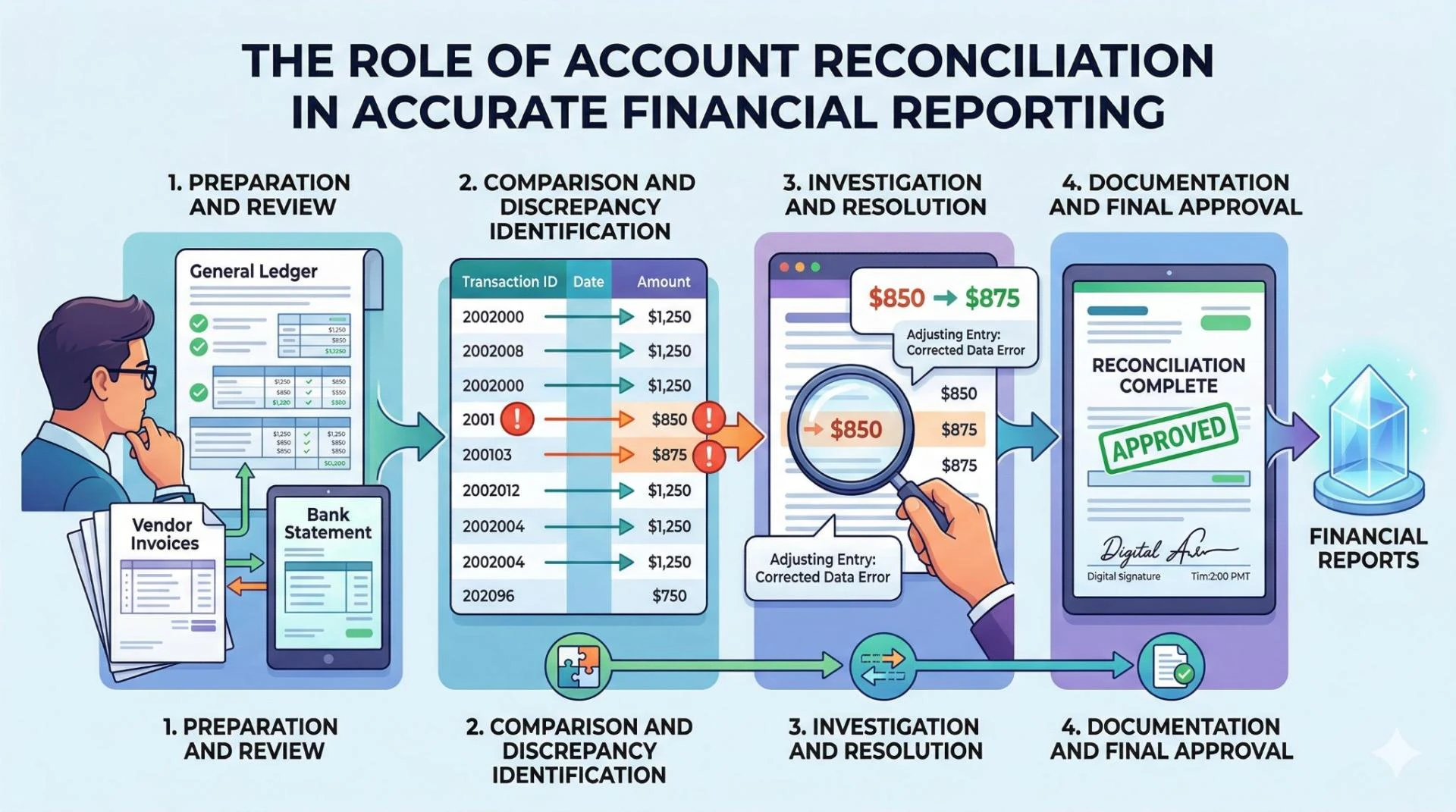
Manual reconciliation extends the time required to close financial periods.
Bottlenecks in Approval and Decision Workflows
Approval processes slow down due to manual routing and lack of visibility.
Slower processes increase exposure to risk.
Risk Exposure Created by Manual Document Handling
Manual workflows create gaps in monitoring and control.
Missed Fraud Signals and Irregular Transactions
Without continuous monitoring, unusual patterns may go unnoticed.
Compliance Risks Due to Incomplete Documentation
Missing or incorrect records can lead to compliance issues.
Limited Audit Trails and Traceability
Manual processes often lack clear documentation of actions taken on data.
These risks are closely linked to data quality challenges.
Impact on Data Quality and Decision-Making
Poor data quality reduces the effectiveness of business decisions.
Fragmented Data Across Multiple Systems
Data stored across disconnected systems creates inconsistencies.
Inaccurate Reporting Due to Data Inconsistencies
Reports based on incomplete or incorrect data lead to flawed insights.
Reduced Confidence in Business Insights
Decision-makers hesitate to rely on data that lacks consistency.
As data volumes grow, scalability becomes a major concern.
Scalability Challenges in Manual Document Processing
Manual systems are not designed for scale.
Inability to Handle Growing Document Volumes
Increased volume leads to longer processing times.
Increased Headcount Requirements with Scale
More documents require more people, increasing operational costs.
Operational Strain During Business Expansion
Expansion adds pressure on already stretched processes.
These challenges affect multiple departments across the organization.
Department-Level Impact of Manual Document Processing
Different departments experience these inefficiencies in unique ways.
Accounts Payable and Invoice Processing Inefficiencies
Manual invoice handling leads to delays and errors in payment cycles.
Finance and Reconciliation Delays
Reconciliation becomes slower and more complex with manual processes.
Operations and Customer Service Backlogs
Delays in document handling affect customer response times.
Another critical issue is the loss of context in manual workflows.
The Cost of Context Loss in Manual Processing
Manual handling often ignores relationships within documents.
Missing Relationships Between Data Points
Disconnected data leads to incorrect interpretation of information.
Misinterpretation of Unstructured Documents
Unstructured documents such as emails and contracts are difficult to process manually.
Impact on Complex Document Types Like Contracts and Statements
Complex documents require understanding of relationships, which manual processes lack.
These gaps are reinforced by outdated technology.
Technology Gaps That Keep Manual Processing in Place
Technology limitations prevent process improvement.
Limited Adoption of Intelligent Processing Systems
Many organizations have not implemented advanced document processing systems.
Over-Reliance on Legacy Systems and Spreadsheets
Legacy systems limit flexibility and efficiency.
Lack of Integration Between Document and Core Systems
Disconnected systems create data silos and inefficiencies.
Even when improvements are attempted, they often fall short.
Why Incremental Fixes Fail to Solve the Problem
Small adjustments do not address fundamental issues.
Adding More Manual Checks Instead of Fixing Input Quality
Additional checks increase workload without reducing errors.
Increasing Review Layers Without Process Redesign
More reviews slow down workflows.
Temporary Fixes That Do Not Address Root Causes
Short-term solutions fail to resolve underlying inefficiencies.
A more structured approach is required.
What Changes When Manual Processing Is Replaced
Replacing manual workflows changes how teams operate.
Shift from Data Entry to Data Validation
Employees focus on reviewing data rather than entering it.
Reduction in Processing Time Across Workflows
Automation reduces delays and improves efficiency.
Improved Visibility into Document Status and Exceptions
Real-time tracking improves control over workflows.
Understanding these changes helps quantify impact.
Measuring the Real Cost of Manual Document Processing
Measurement reveals the full impact of inefficiencies.
Cost Per Document and Processing Time Metrics
Tracking cost per document highlights inefficiencies.
Error Rates and Rework Frequency Tracking
Monitoring errors provides insight into process gaps.
Impact on Cash Flow, Revenue, and Operations
Delays and inaccuracies affect financial outcomes.
These insights support a strong business case.
Building a Business Case to Move Away from Manual Processing
A structured approach helps justify change.
Identifying High-Cost Document Workflows
Focus on processes with the highest cost and volume.
Estimating Savings from Reduced Manual Effort
Calculate potential savings from reduced labor and errors.
Aligning Document Processing with Business Objectives
Ensure alignment with organizational goals.
Modern systems address these challenges effectively.
What Modern Document Processing Approaches Address
New approaches improve efficiency and accuracy.
Automated Data Capture and Context-Aware Interpretation
Automation reduces manual effort and improves data understanding.
Integration with Enterprise Systems for Continuous Workflows
Integrated systems enable seamless data flow.
Continuous Monitoring and Exception Management
Ongoing monitoring improves accuracy and control. It is also important to review intelligent document processing challenges before adoption.
Future developments continue to shape document processing.
Future Direction of Document Processing in Enterprises
Document processing continues to advance with new technologies.
Increasing Role of AI in Document Understanding
AI improves interpretation of complex and unstructured documents.
Movement Toward Real-Time Document Processing
Real-time processing reduces delays and improves visibility.
Convergence of Document Processing with Enterprise Data Systems
Document workflows are becoming integrated with broader data systems.
Conclusion
Manual document processing creates costs that extend beyond labor. It affects accuracy, speed, risk, and scalability across enterprise workflows. As document volumes grow, these issues become harder to manage. Organizations that adopt automated and context-aware processing approaches gain better control, improved accuracy, and more efficient operations.






























Sign in to leave a comment.