

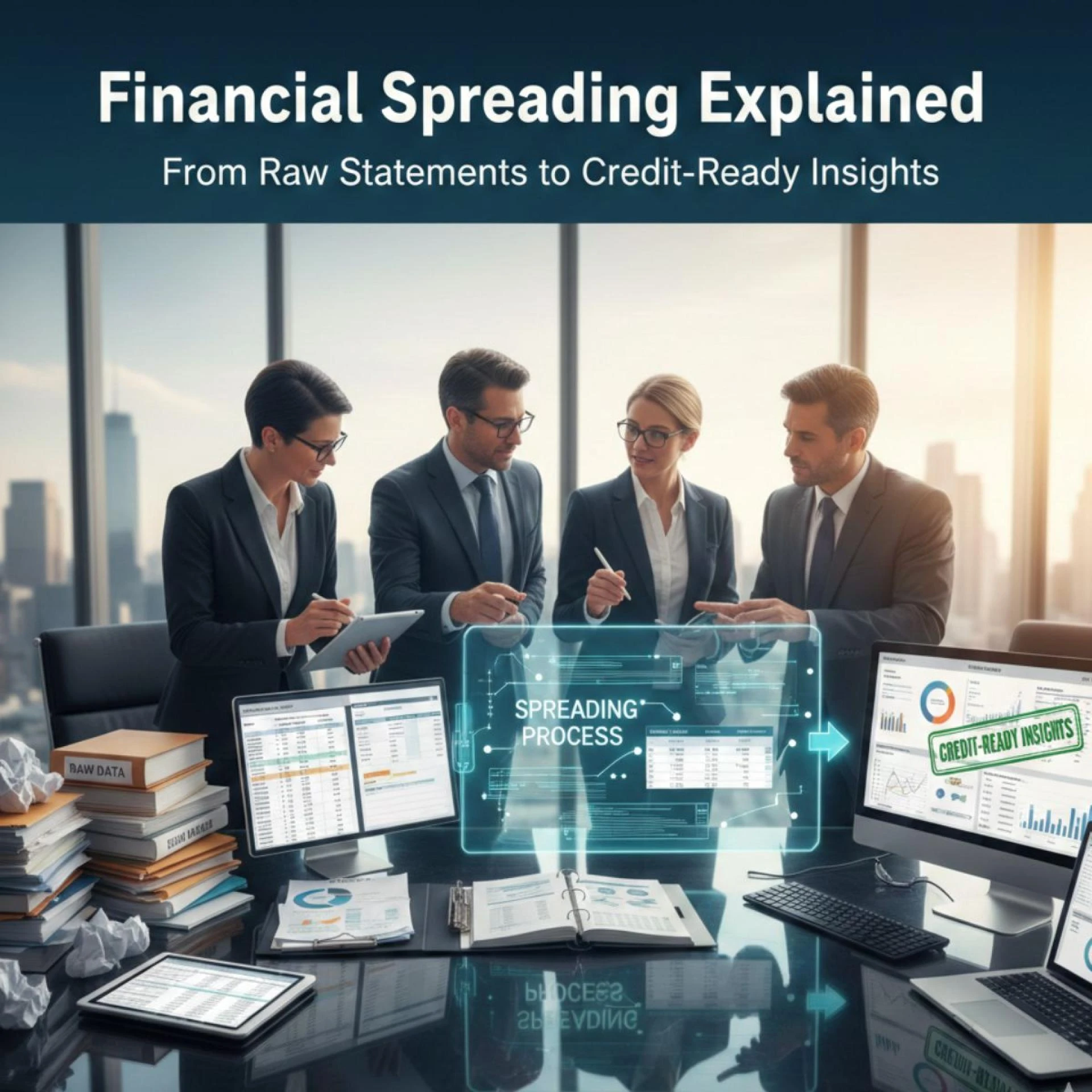


When an account will not reconcile, the difference may come from timing, missing transactions, duplicate postings, incorrect entries, or stale prior-period items. This article explains how finance teams can isolate reconciliation differences, trace the root cause, document open items, and decide when correction, escalation, or further review is required.

Negative balances during account reconciliation do not always mean something is wrong. They may reflect overdrafts, timing differences, customer credits, supplier advances, or genuine accounting errors. This article explains how to trace the source of a negative balance, distinguish valid balances from errors, correct the underlying transaction, and prevent the same reconciliation issue from recurring.
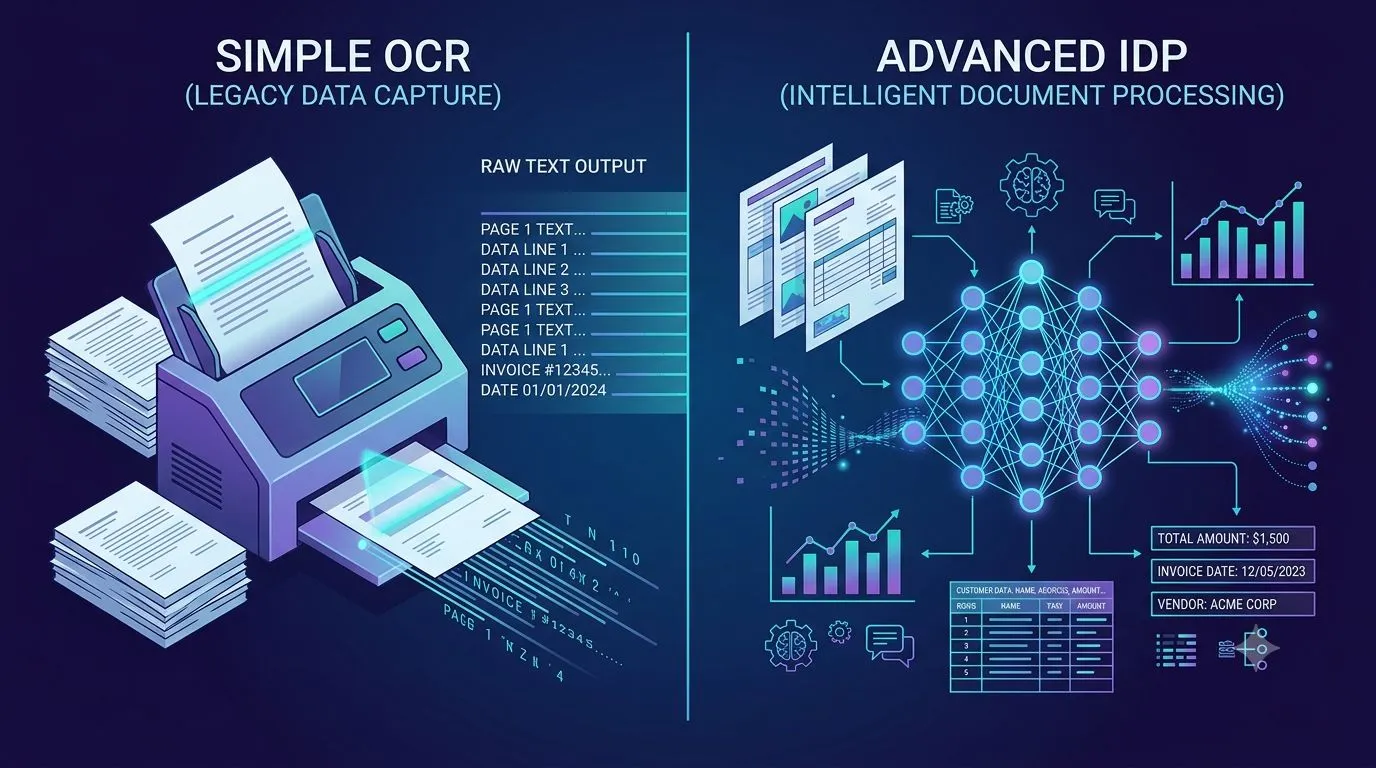
OCR can read text, but enterprises need more than character recognition. This article compares OCR and Intelligent Document Processing, showing how IDP adds classification, context, validation, exception handling, source traceability, and structured output for business use.

AI can process invoices, bank statements, insurance claims, and loan documents by combining classification, extraction, validation, and source traceability. This article explains how the process differs across document types and how AI turns complex files into structured, business-ready data.

Manual data entry, growing document volumes, frequent validation, and changing document formats are signs that basic OCR may no longer be enough. This article covers eight indicators that your workflow may need intelligent document processing and explains how IDP supports classification, extraction, validation, exception handling, and downstream data processing.

Prepaid account reconciliation helps finance teams verify that prepaid assets reflect genuine future benefits, while preventing missed amortization, stale balances, and incorrect expense recognition.
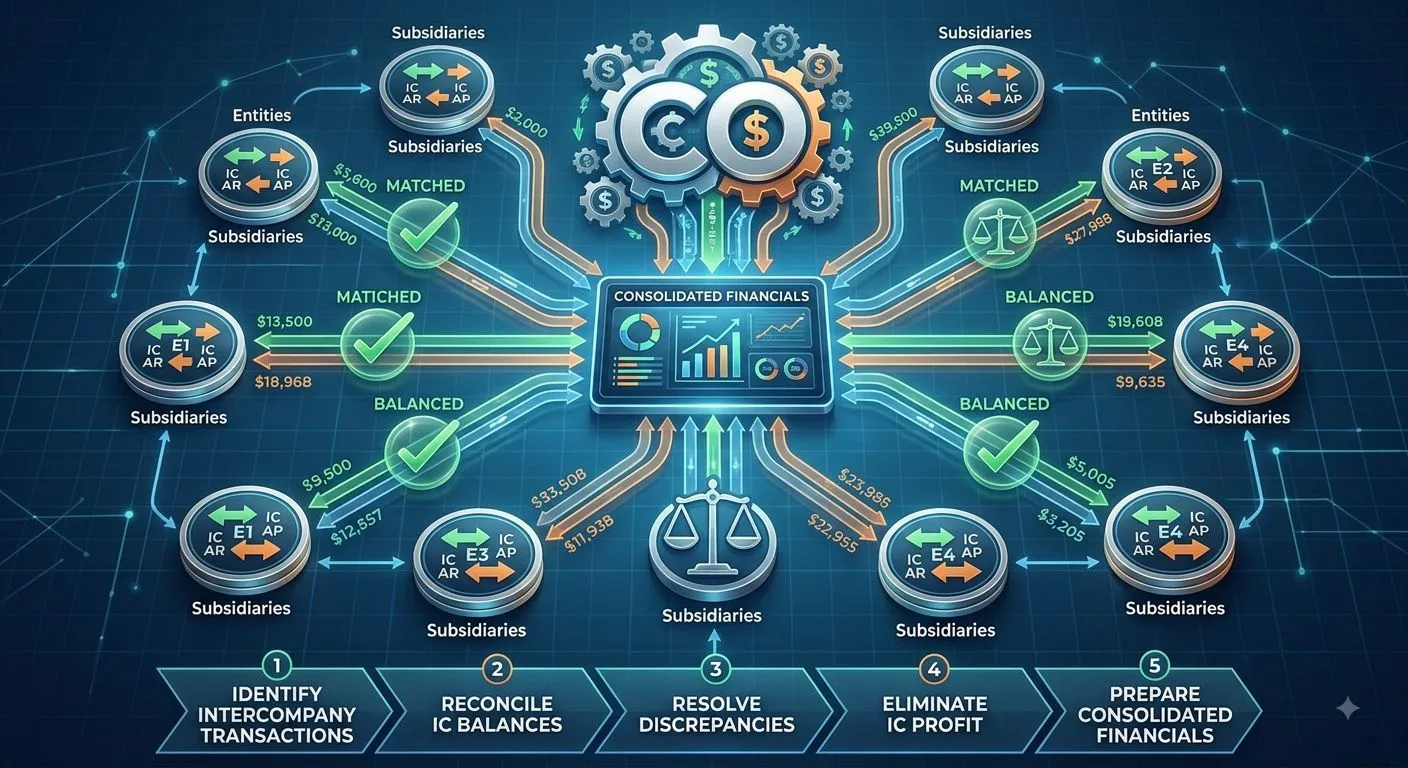
Learn how finance teams reconcile intercompany balances before consolidation, resolve entity-level mismatches, and prepare reciprocal accounts for accurate elimination.

Cash reconciliation requires more than matching bank and ledger balances. Finance teams must validate receipts, settlements, transfers, fees, and transaction-level activity across banking, ERP, and treasury systems to identify discrepancies before they affect liquidity reporting and financial close.

Accounts receivable reconciliation helps growing businesses track customer balances, unapplied cash, payment mismatches, disputes, and overdue receivables as transaction volumes increase. It also supports better cash visibility, working capital control, and financial reporting.

Learn how suspense account reconciliation helps finance teams identify unknown transactions, clear unresolved entries correctly, manage aged items, and maintain accurate financial records.

Manual financial data extraction slows lending and finance teams by delaying borrower review, reporting, reconciliation, and credit decisions. This article explains where manual extraction creates errors, rework, weak traceability, and how teams can move toward review-ready data.
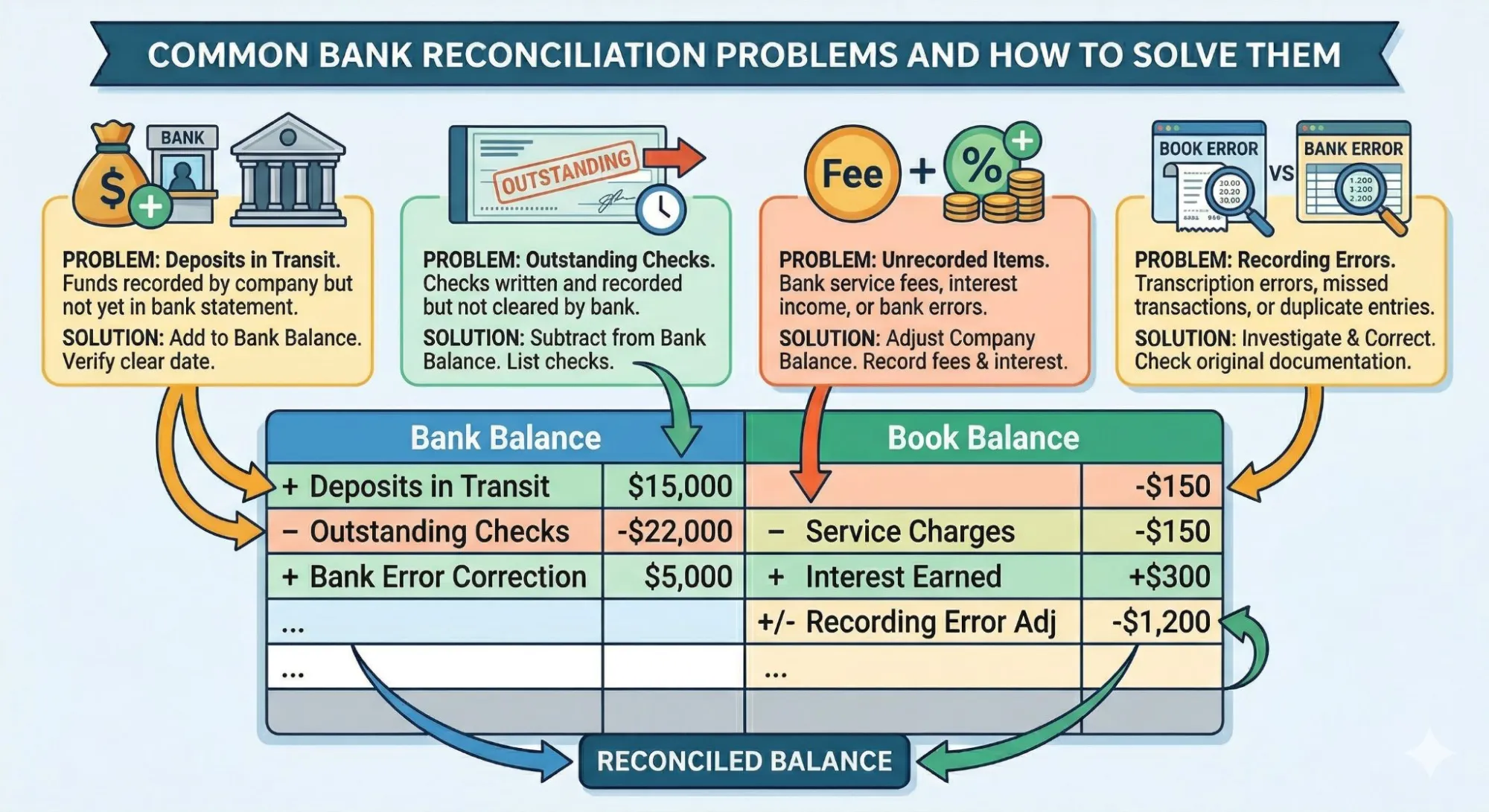
Bank reconciliation issues can delay financial close and affect reporting accuracy. Learn the most common reconciliation problems, their root causes, practical solutions, and how automation helps finance teams identify and resolve discrepancies faster.

Cash, check, and credit card reconciliation each validate different payment records, risks, and financial controls. This guide explains how the three reconciliation processes differ, the records they compare, common discrepancies, and how finance teams can choose the right approach for accurate reporting and stronger payment oversight.
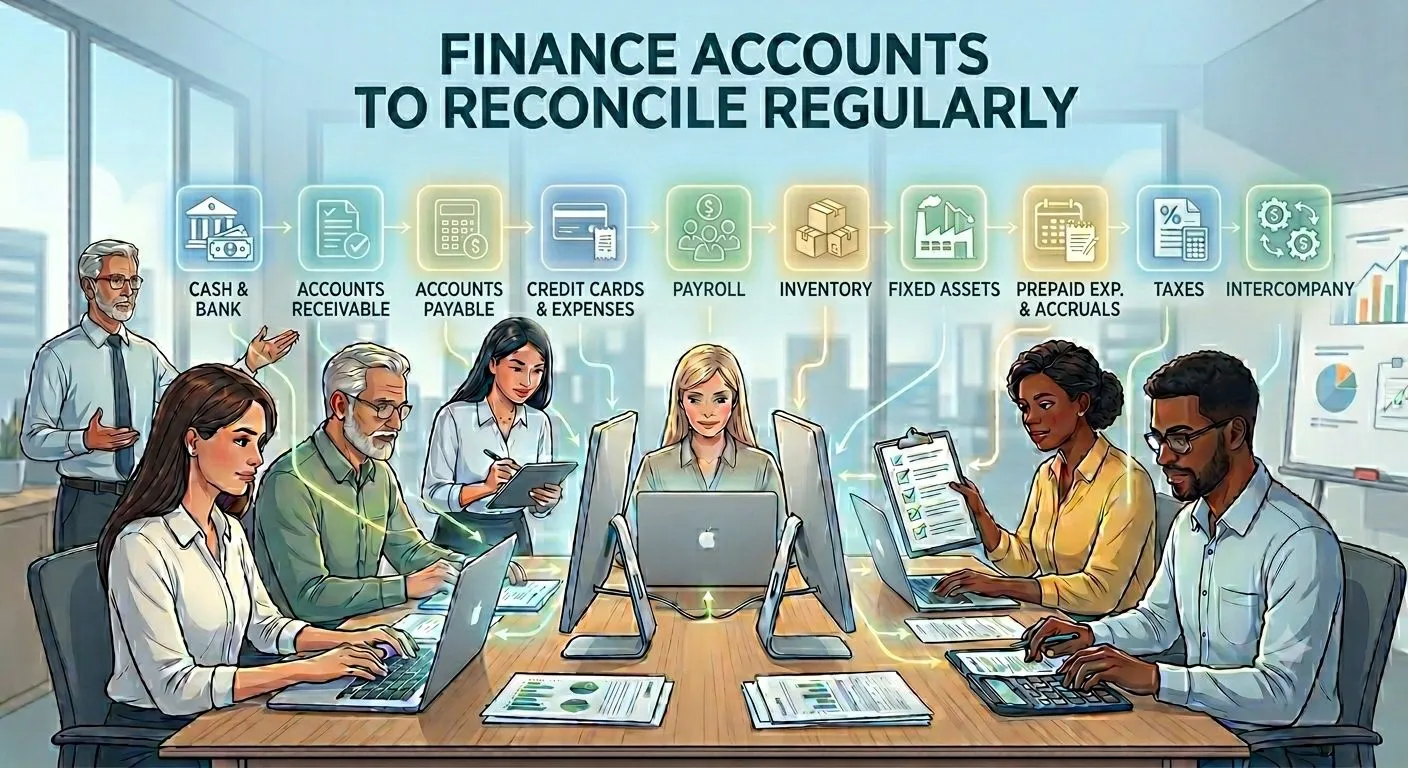
Not every account carries the same financial risk or requires the same review schedule. High-priority accounts such as cash, receivables, payables, inventory, payroll, and intercompany balances can directly affect financial reporting, cash flow, and audit readiness if left unreconciled. This article explains the 10 accounts every finance team should reconcile regularly, why they matter, common discrepancies to watch for, and how choosing the right reconciliation frequency supports a faster, more
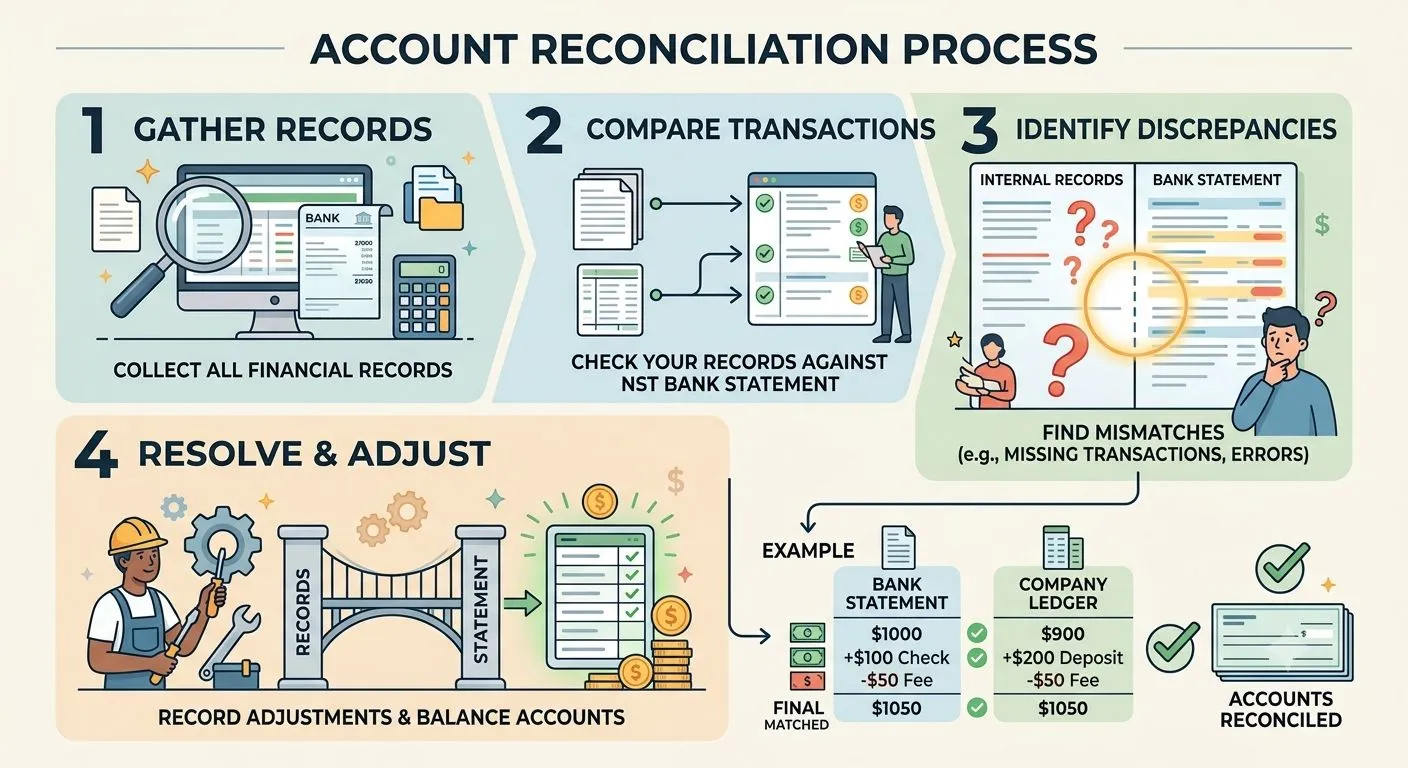
Learn how to reconcile an account step by step with a practical example. Understand common reconciliation differences, controls, best practices, and how finance teams improve accuracy, audit readiness, and month-end close performance through effective account reconciliation.
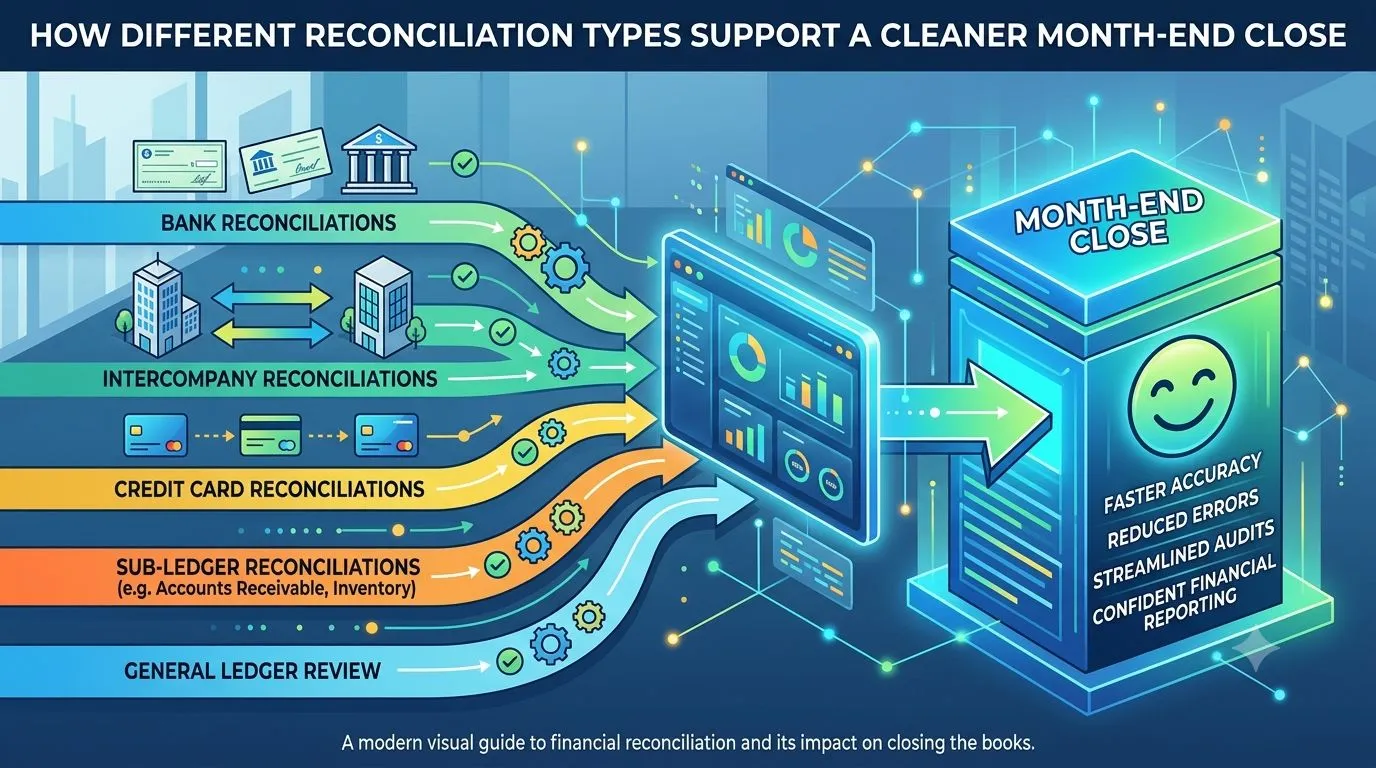
Month-end close accuracy depends on more than one reconciliation process. Learn how cash, payroll, expense, vendor, inventory, and intercompany reconciliations help finance teams identify discrepancies early, validate account balances, and complete a cleaner, more reliable financial close.
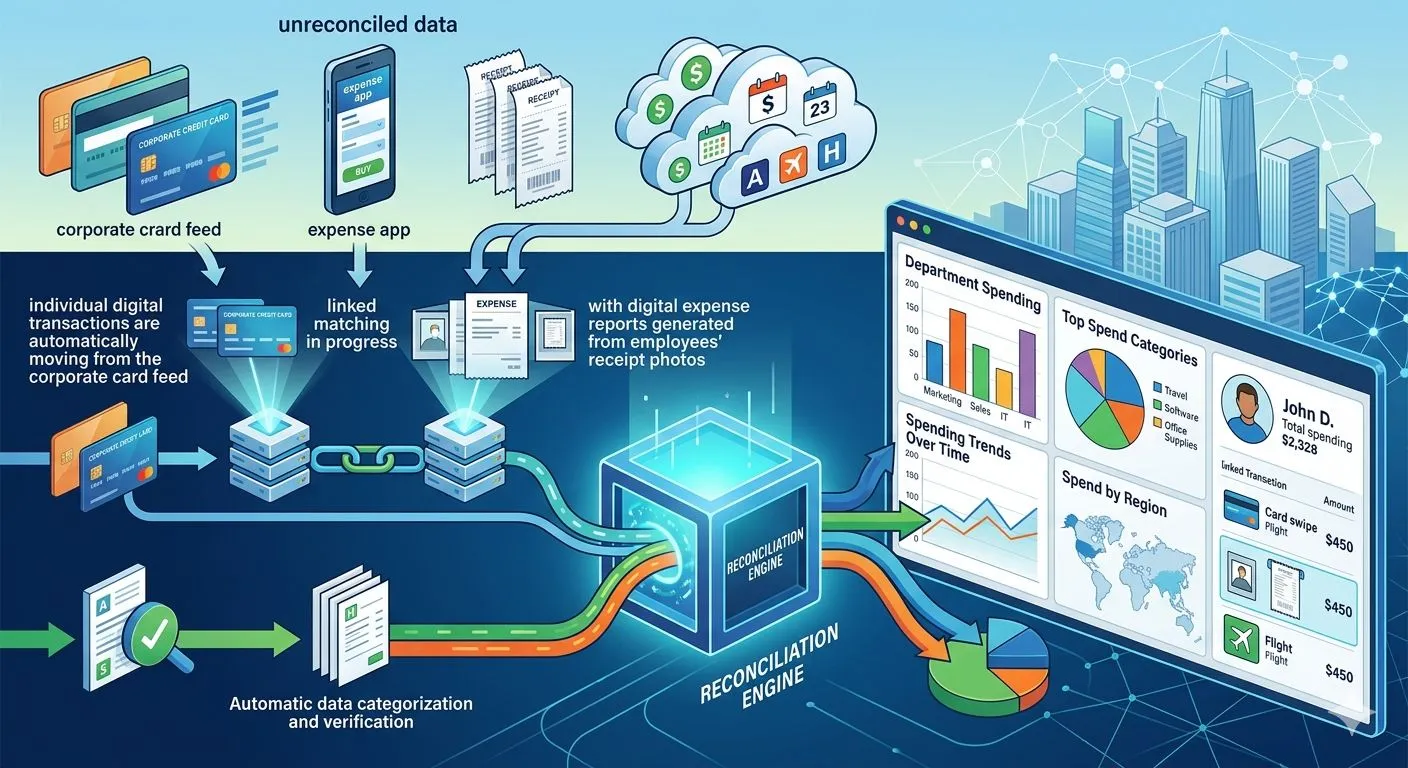
Corporate spending visibility depends on more than card statements and expense reports. This article explains how corporate card and expense reconciliation help finance teams identify mismatches, validate spending activity, improve policy compliance, and gain a clearer view of departmental, project, and employee expenses for better reporting and budget control.

Month-end reconciliation becomes easier when finance teams check cash, AR, AP, payroll, expenses, inventory, and adjustments before close deadlines. This article explains seven key reconciliation checks that improve reporting accuracy, reduce unresolved discrepancies, and support audit readiness.
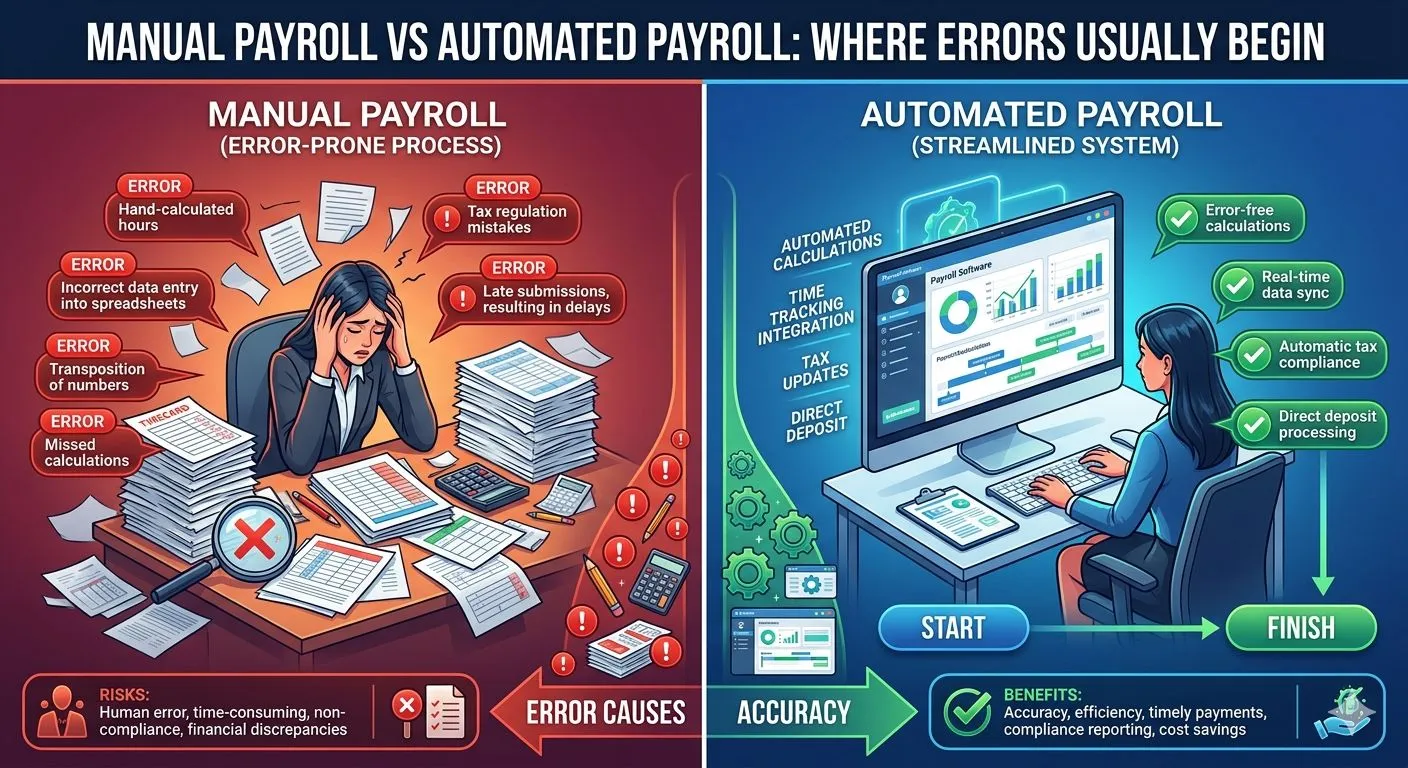
Manual payroll processes often create errors long before salaries are released. This article explains where payroll inaccuracies begin, how spreadsheet-based workflows create reporting risks, and why automated payroll improves payroll accuracy, reconciliation visibility, compliance reporting, and financial close consistency across enterprise operations.
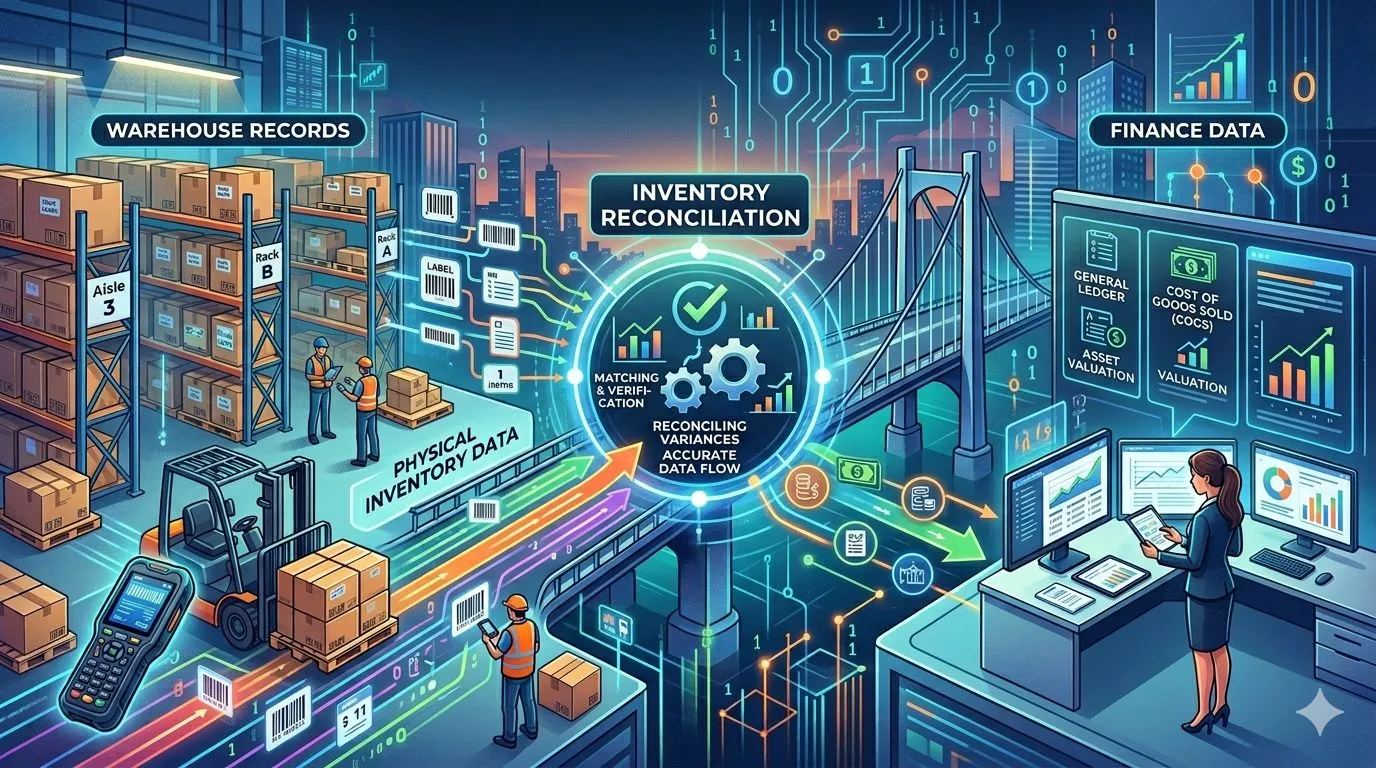
Inventory reconciliation connects warehouse activity with finance records by validating inventory movements, valuation balances, ERP postings, and operational transactions across enterprise systems.