

When an account will not reconcile, the difference may come from timing, missing transactions, duplicate postings, incorrect entries, or stale prior-period item…

Negative balances during account reconciliation do not always mean something is wrong. They may reflect overdrafts, timing differences, customer credits, suppli…
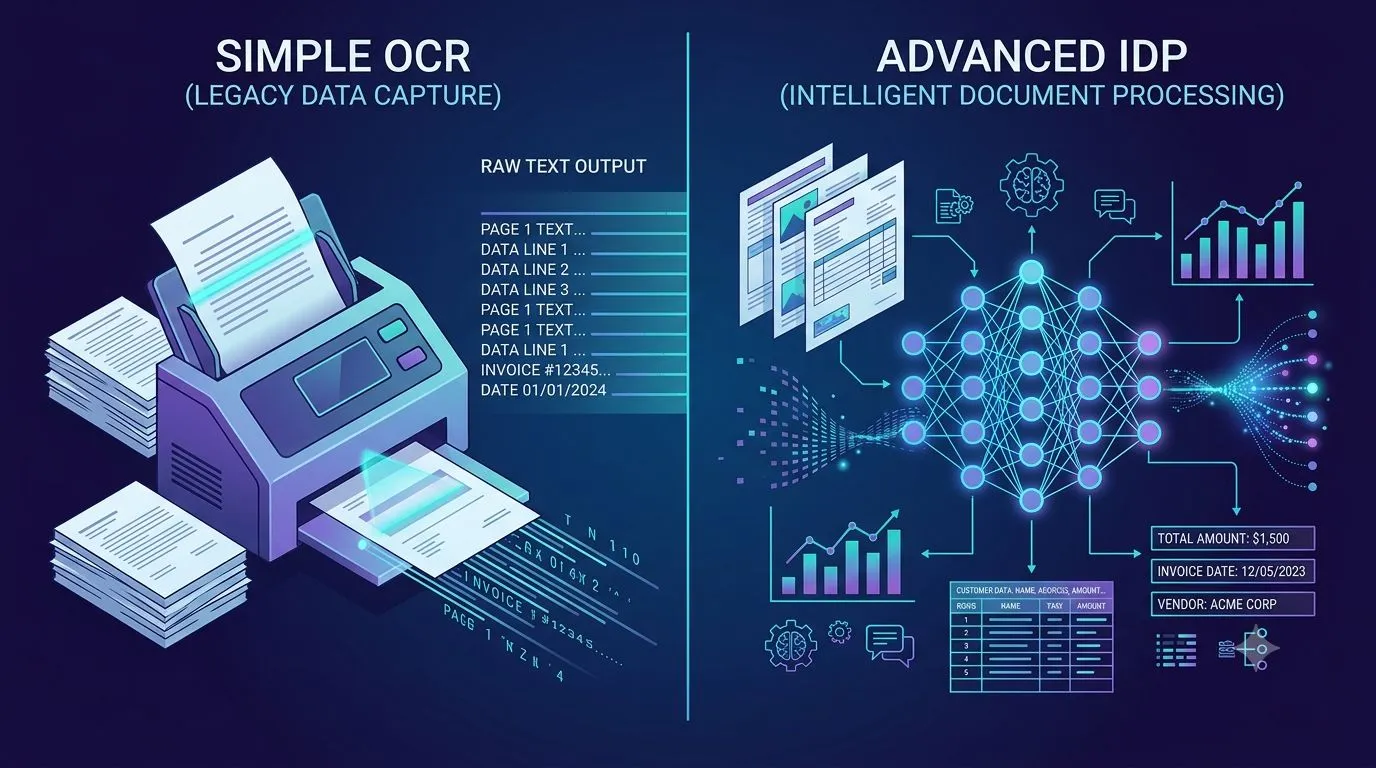
OCR can read text, but enterprises need more than character recognition. This article compares OCR and Intelligent Document Processing, showing how IDP adds cla…
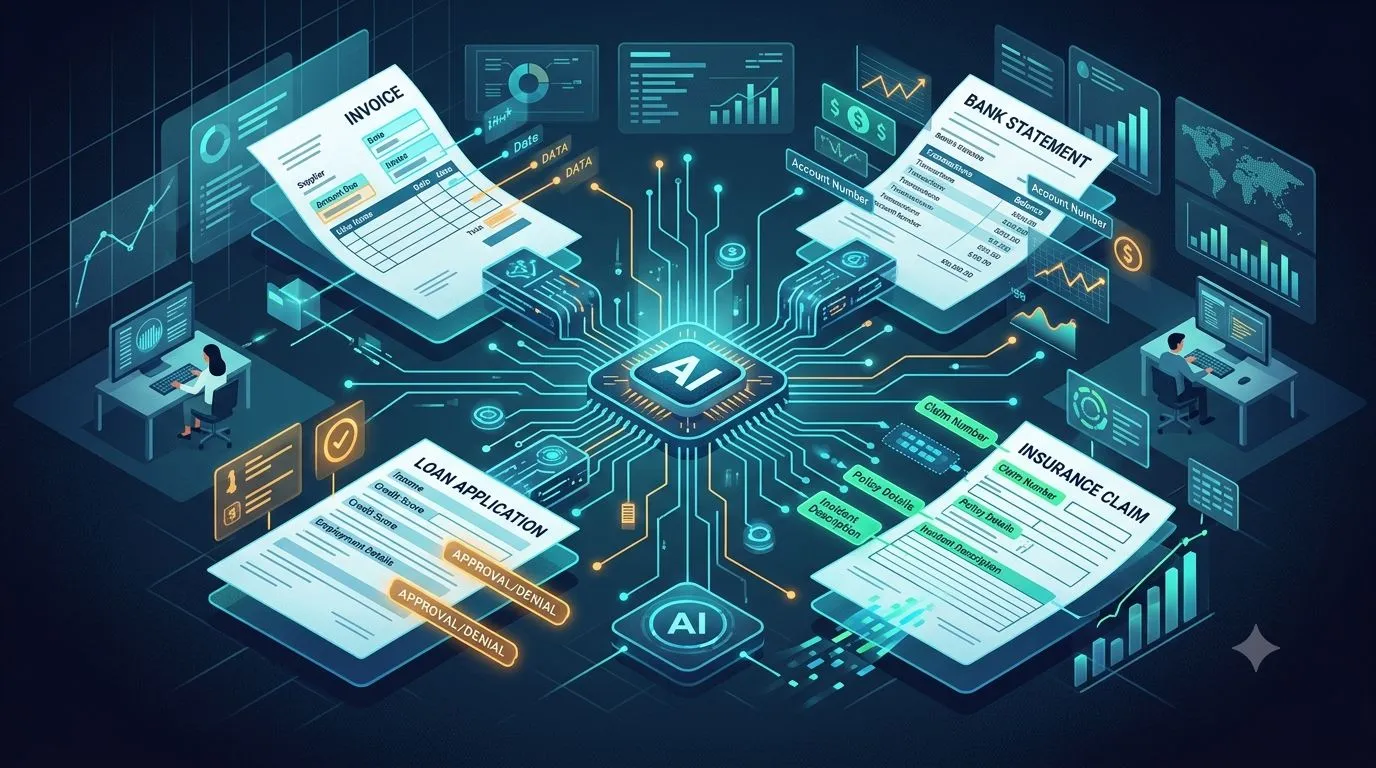
AI can process invoices, bank statements, insurance claims, and loan documents by combining classification, extraction, validation, and source traceability. Thi…

Manual data entry, growing document volumes, frequent validation, and changing document formats are signs that basic OCR may no longer be enough. This article c…

Prepaid account reconciliation helps finance teams verify that prepaid assets reflect genuine future benefits, while preventing missed amortization, stale balan…
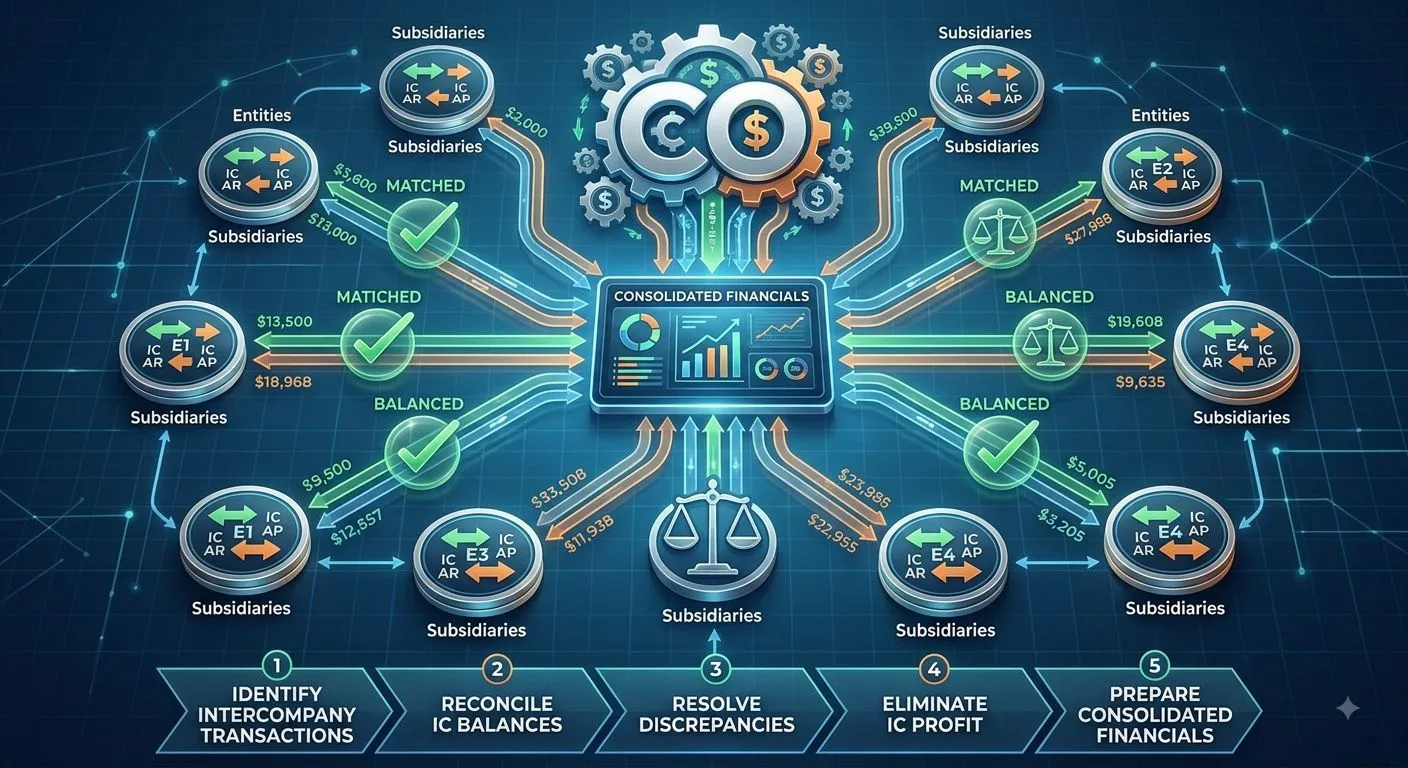
Learn how finance teams reconcile intercompany balances before consolidation, resolve entity-level mismatches, and prepare reciprocal accounts for accurate elim…

Cash reconciliation requires more than matching bank and ledger balances. Finance teams must validate receipts, settlements, transfers, fees, and transaction-le…

Accounts receivable reconciliation helps growing businesses track customer balances, unapplied cash, payment mismatches, disputes, and overdue receivables as tr…

Learn how suspense account reconciliation helps finance teams identify unknown transactions, clear unresolved entries correctly, manage aged items, and maintain…

Manual financial data extraction slows lending and finance teams by delaying borrower review, reporting, reconciliation, and credit decisions. This article expl…
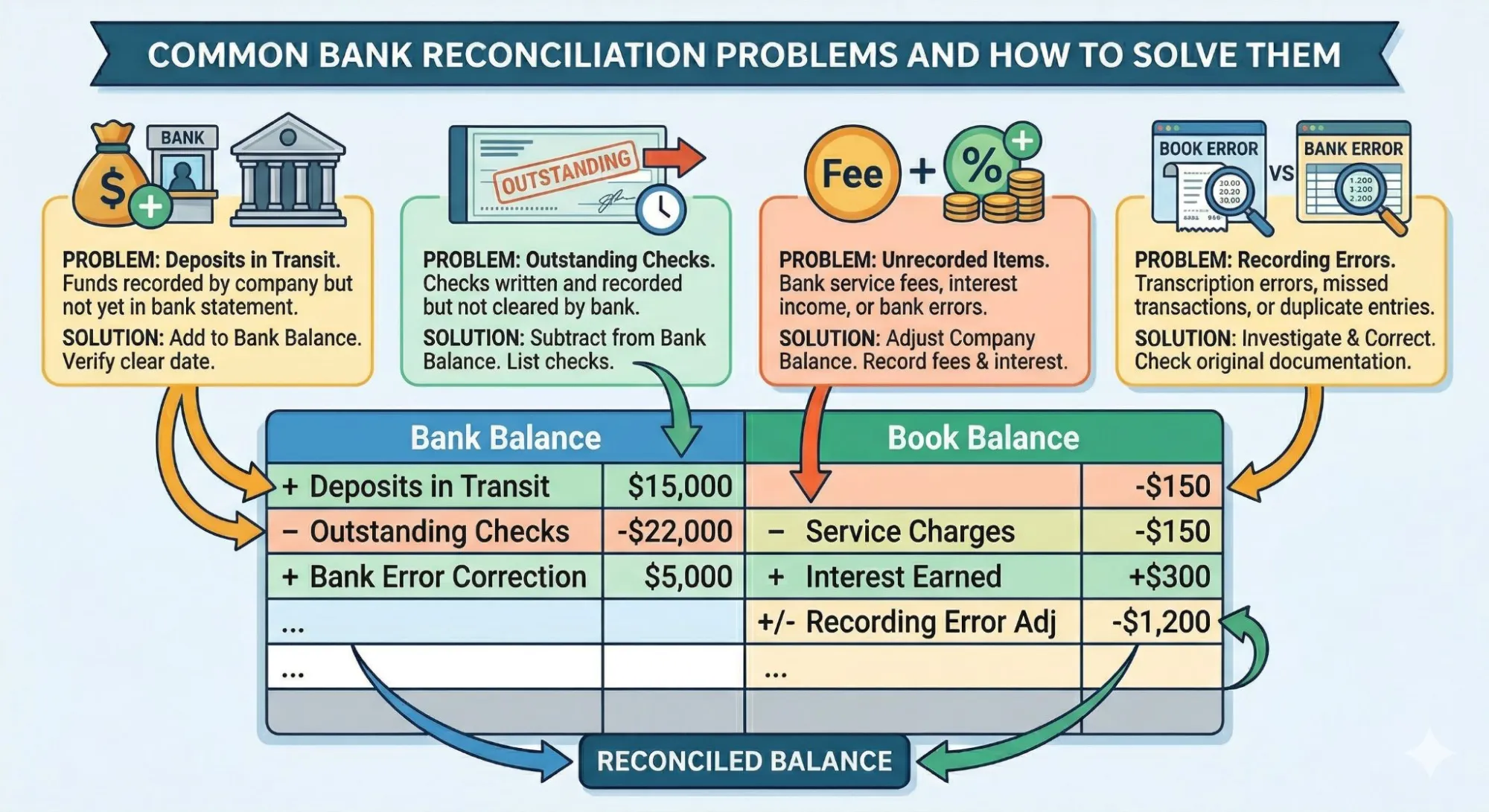
Bank reconciliation issues can delay financial close and affect reporting accuracy. Learn the most common reconciliation problems, their root causes, practical …

Cash, check, and credit card reconciliation each validate different payment records, risks, and financial controls. This guide explains how the three reconcilia…
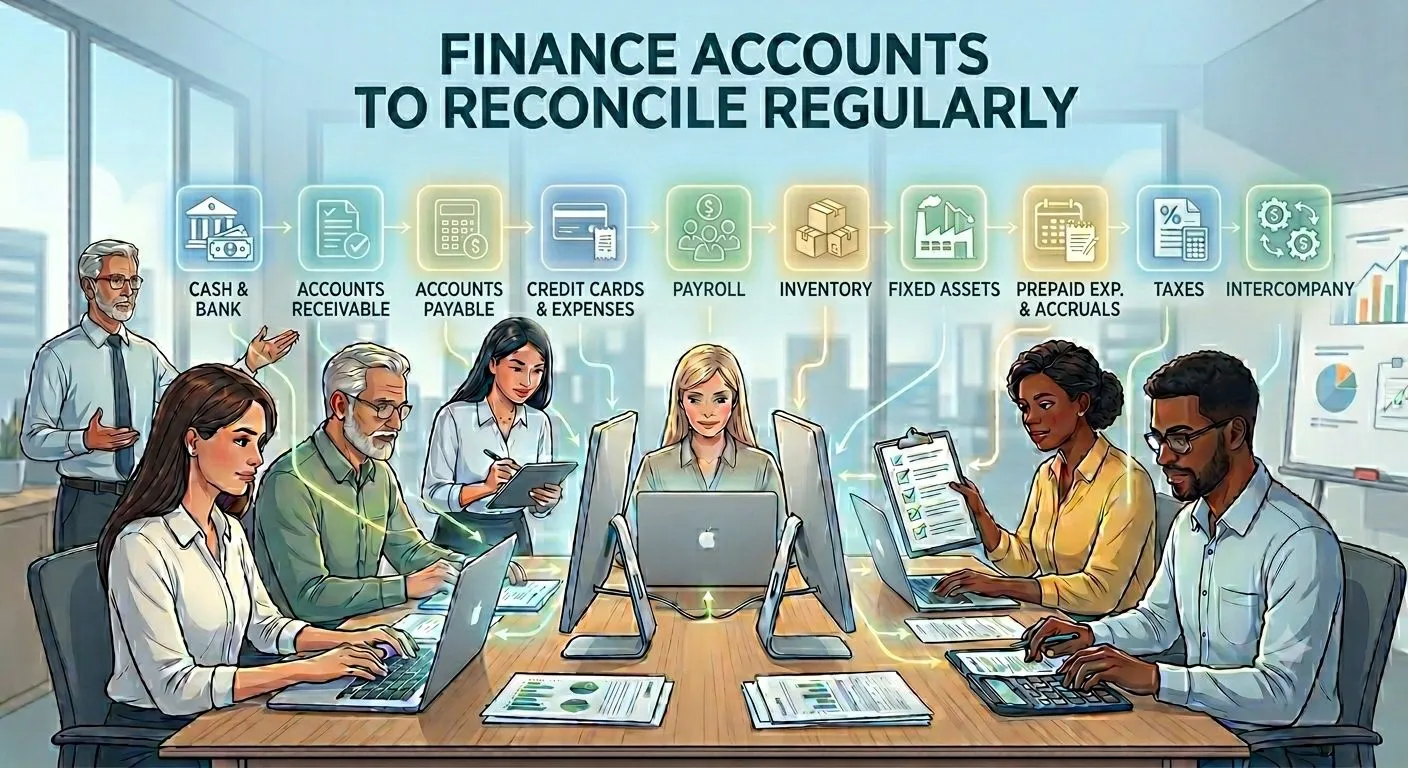
Not every account carries the same financial risk or requires the same review schedule. High-priority accounts such as cash, receivables, payables, inventory, p…
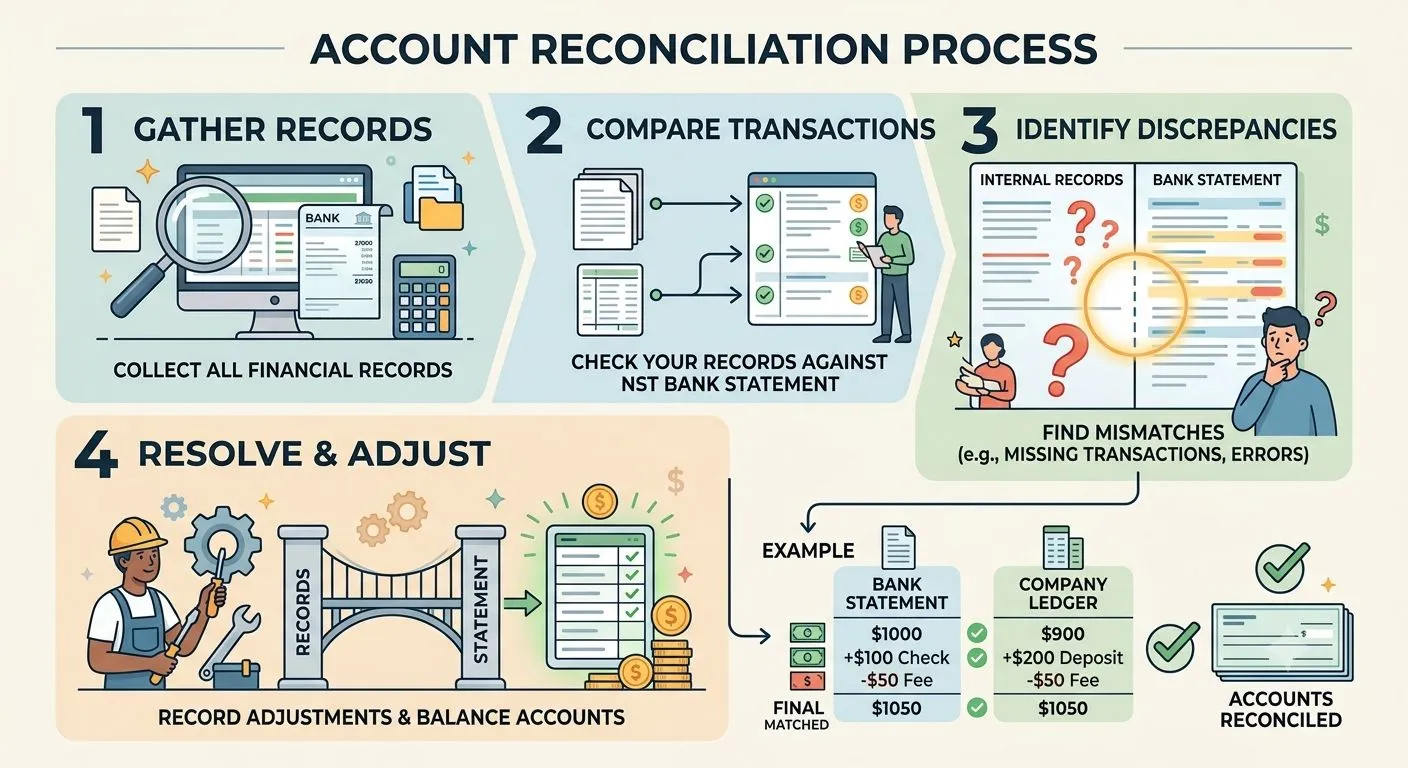
Learn how to reconcile an account step by step with a practical example. Understand common reconciliation differences, controls, best practices, and how finance…
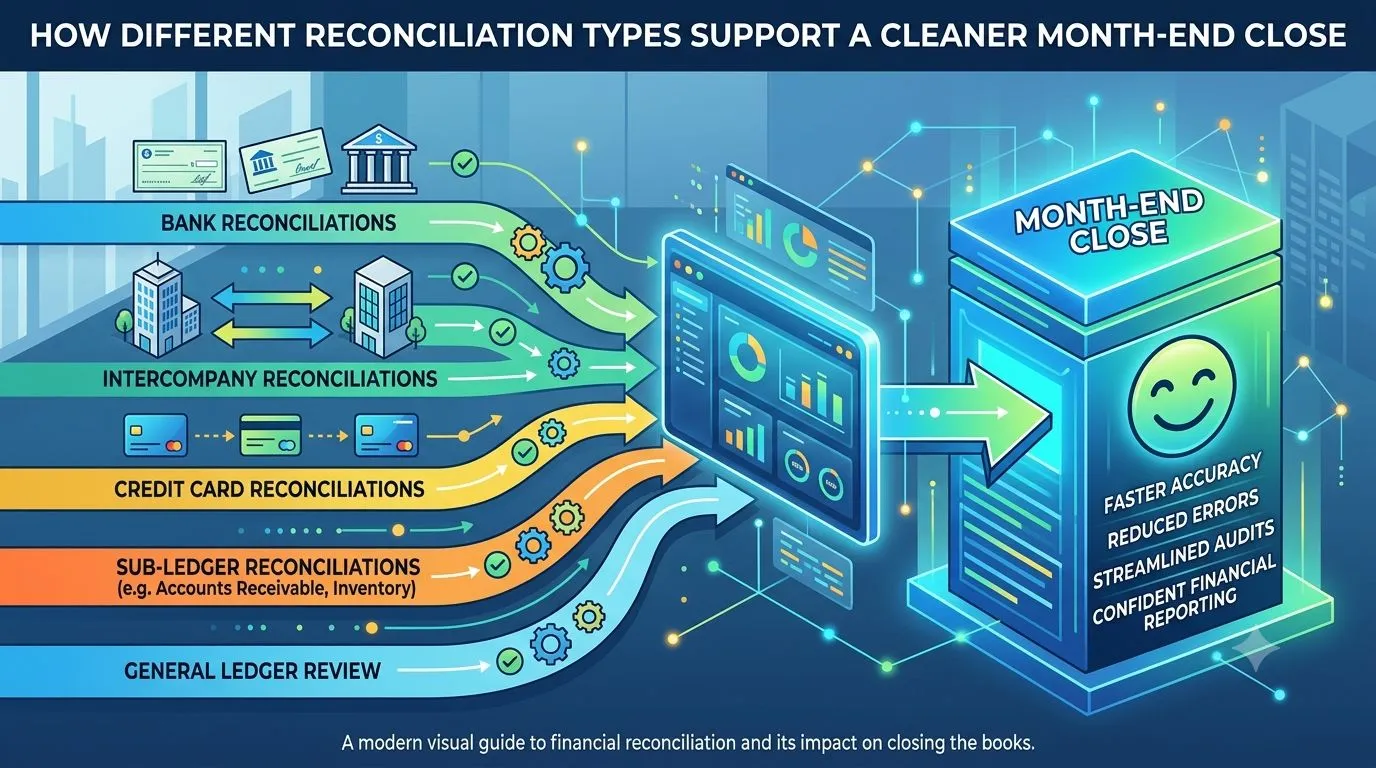
Month-end close accuracy depends on more than one reconciliation process. Learn how cash, payroll, expense, vendor, inventory, and intercompany reconciliations …
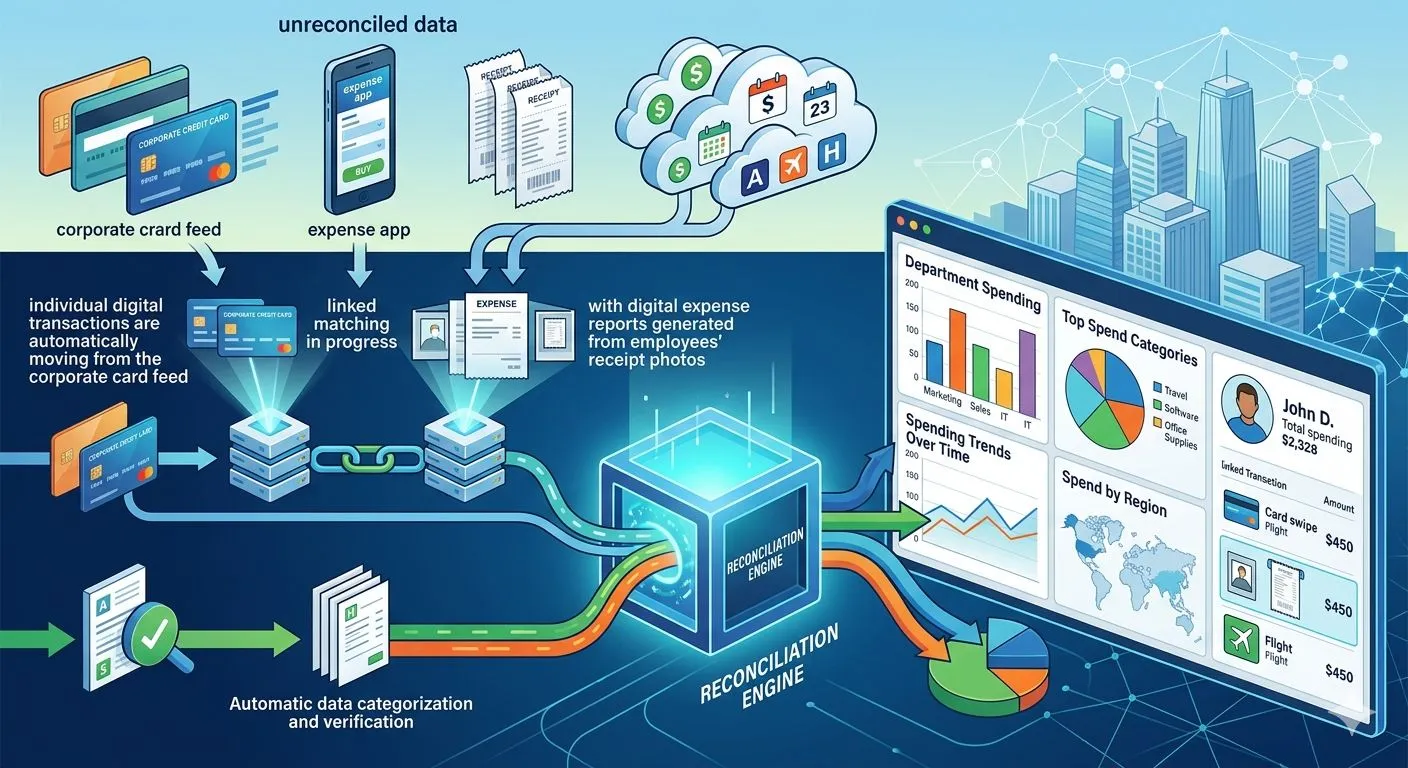
Corporate spending visibility depends on more than card statements and expense reports. This article explains how corporate card and expense reconciliation help…

Month-end reconciliation becomes easier when finance teams check cash, AR, AP, payroll, expenses, inventory, and adjustments before close deadlines. This articl…
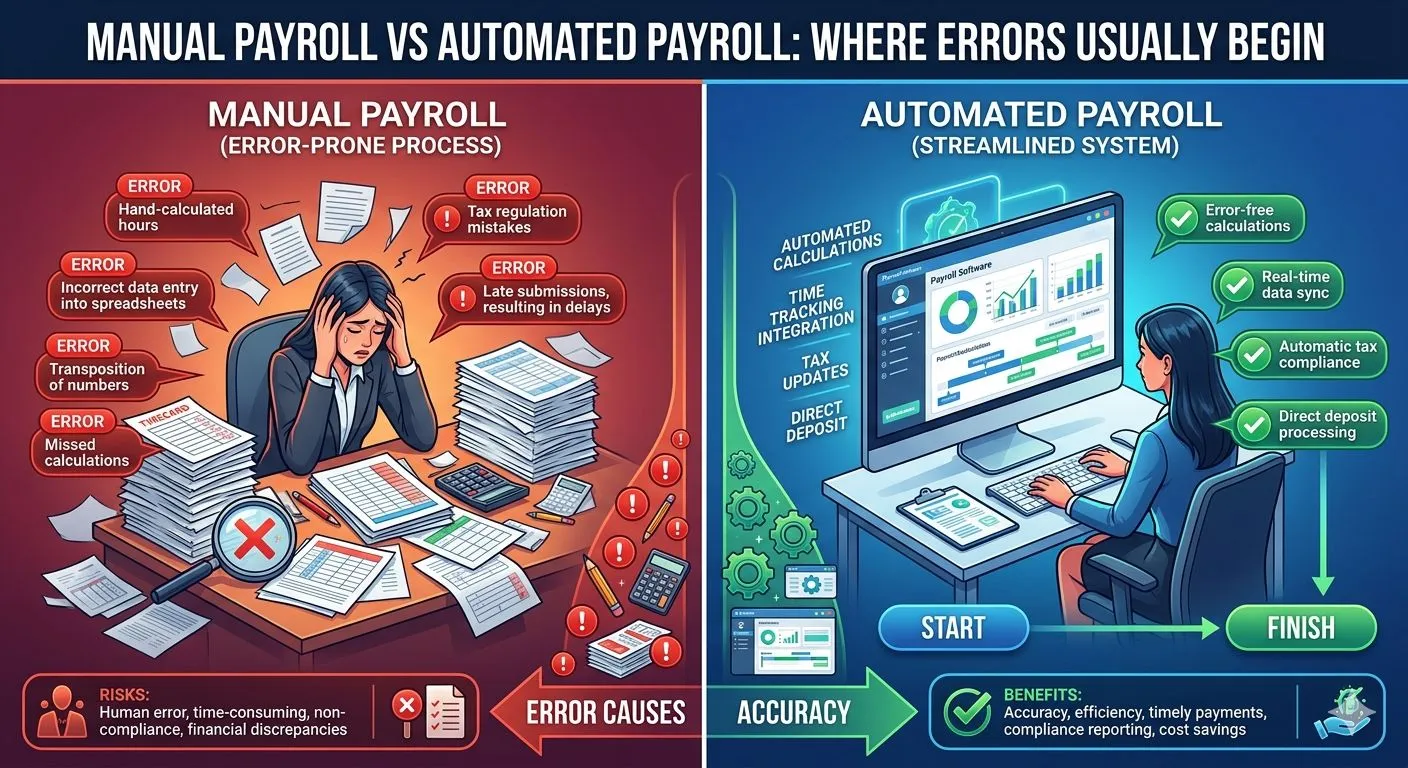
Manual payroll processes often create errors long before salaries are released. This article explains where payroll inaccuracies begin, how spreadsheet-based wo…
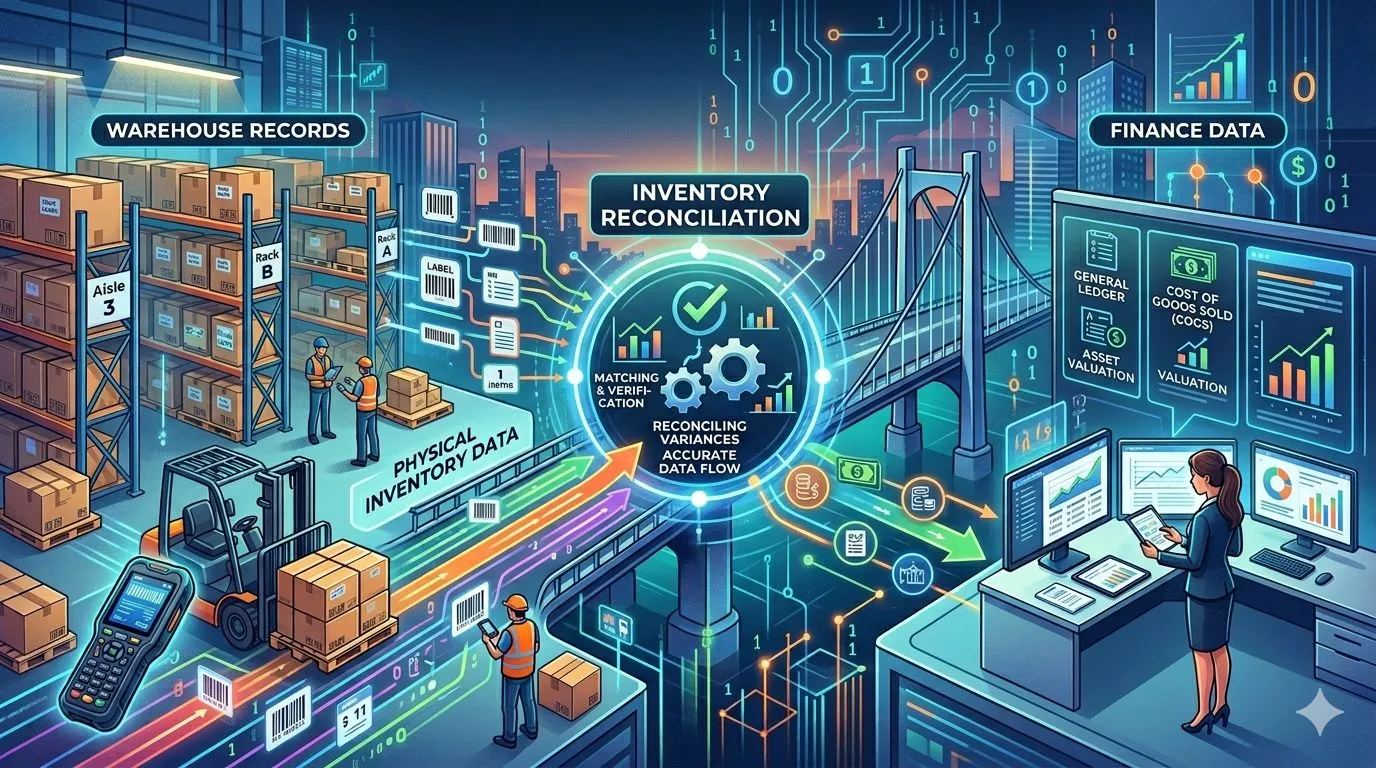
Inventory reconciliation connects warehouse activity with finance records by validating inventory movements, valuation balances, ERP postings, and operational t…
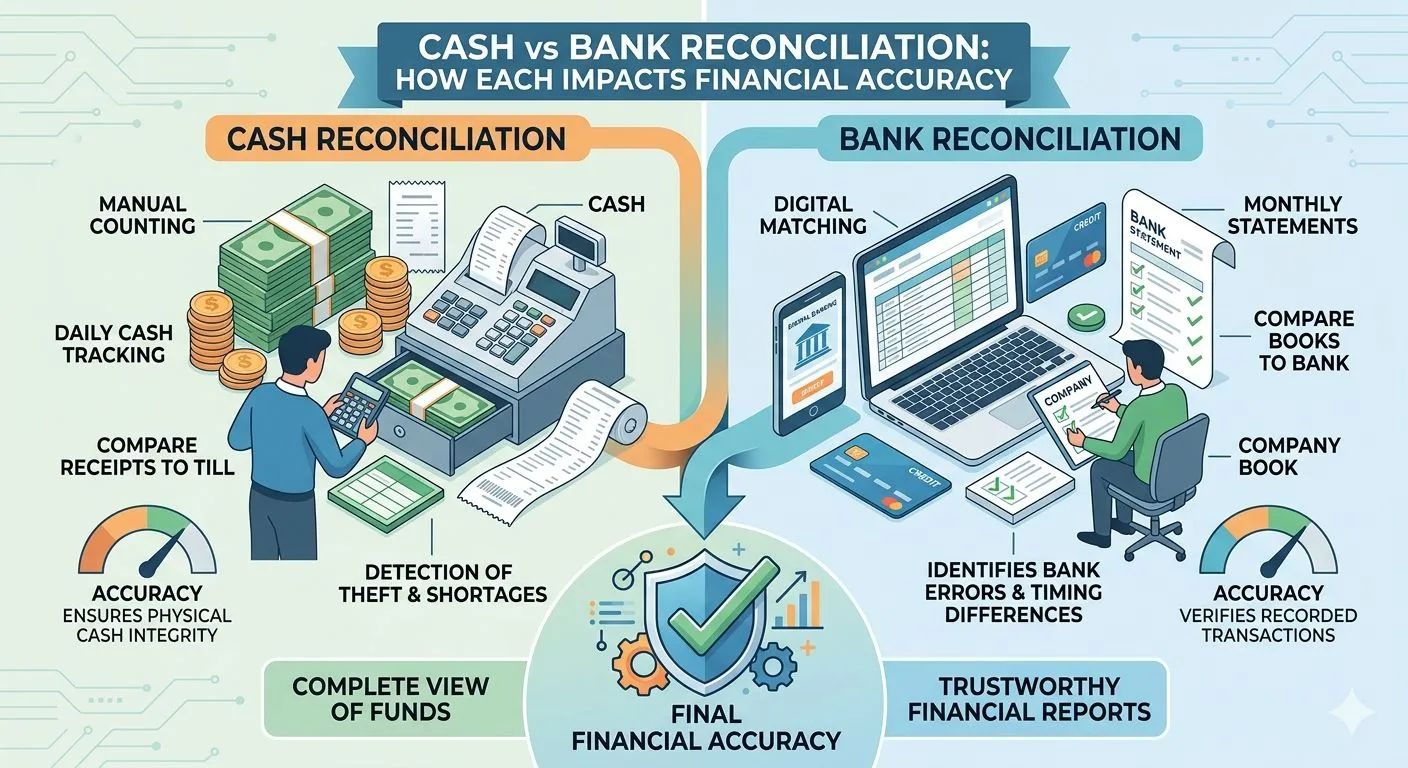
Cash reconciliation and bank reconciliation are often treated as the same process, but both validate different financial risks. This article explains how each i…
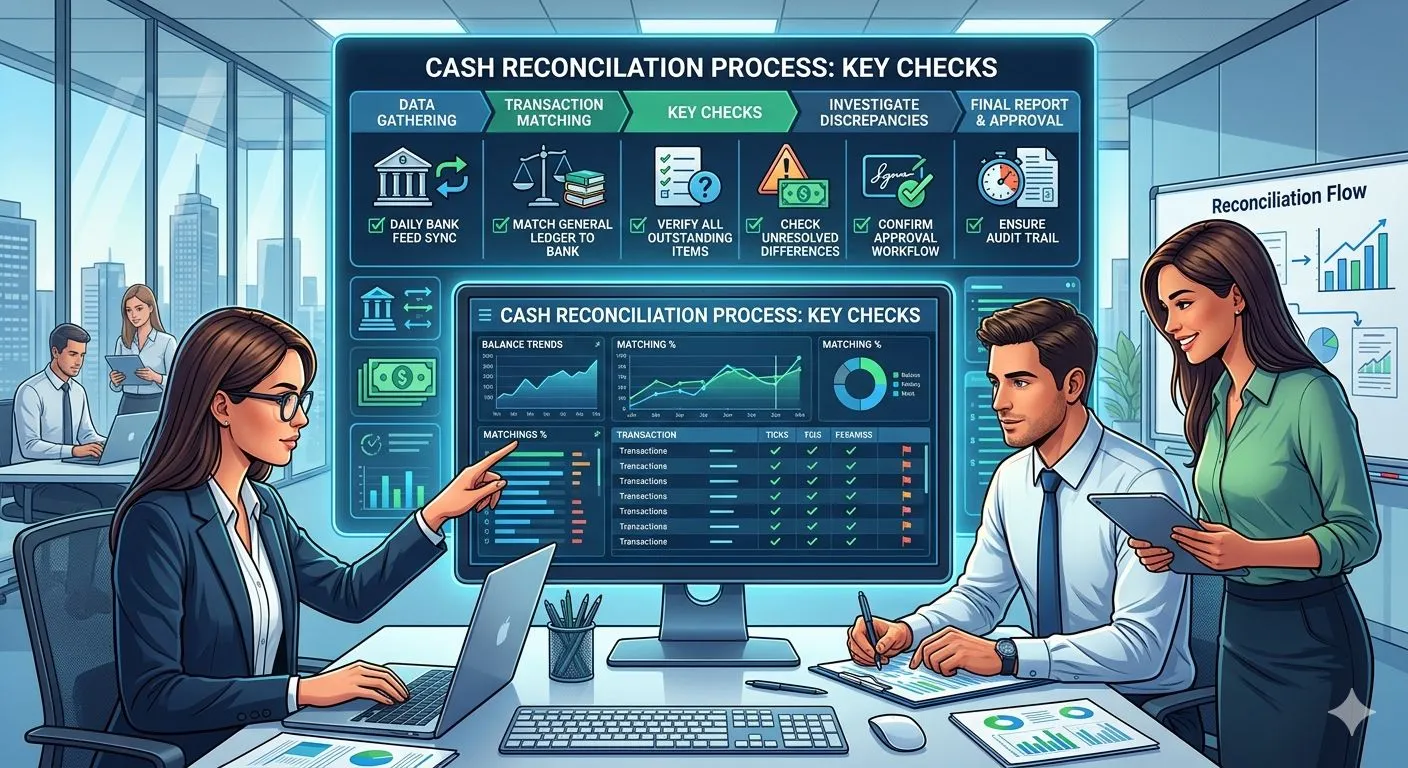
Learn the key checks finance teams should prioritize during cash reconciliation to reduce discrepancies, improve liquidity visibility, and support accurate fina…

Learn how finance teams can improve vendor reconciliation accuracy in high-volume AP environments by validating invoices, payments, supplier balances, and match…
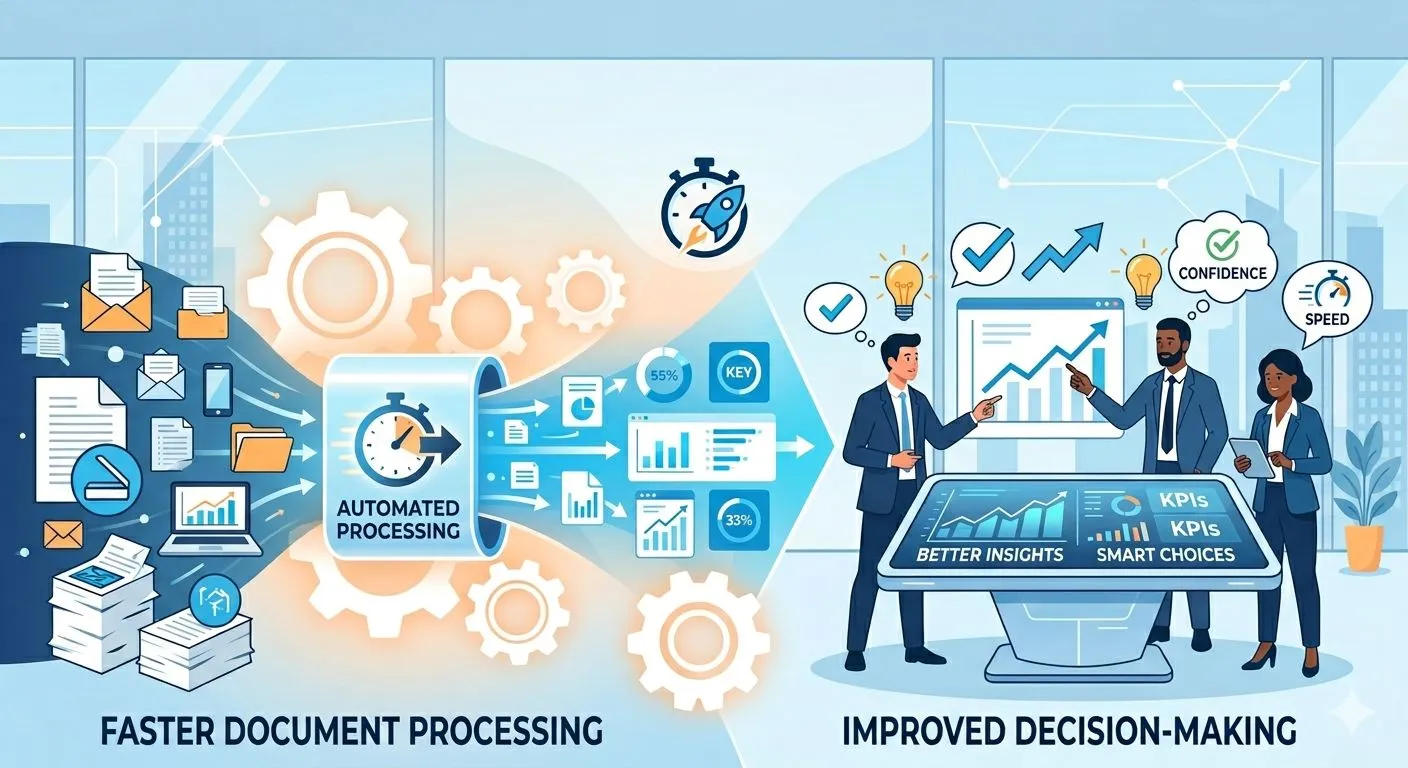
Faster document processing plays a direct role in improving business decision-making by reducing delays between data intake and action. This article explains wh…

Document processing delays create a gap between data availability and decision readiness, leading to slower operations and inaccurate outcomes. This article exp…

Manual document processing continues to drain time, money, and operational focus across enterprises. Teams spend hours entering data, correcting errors, and ...
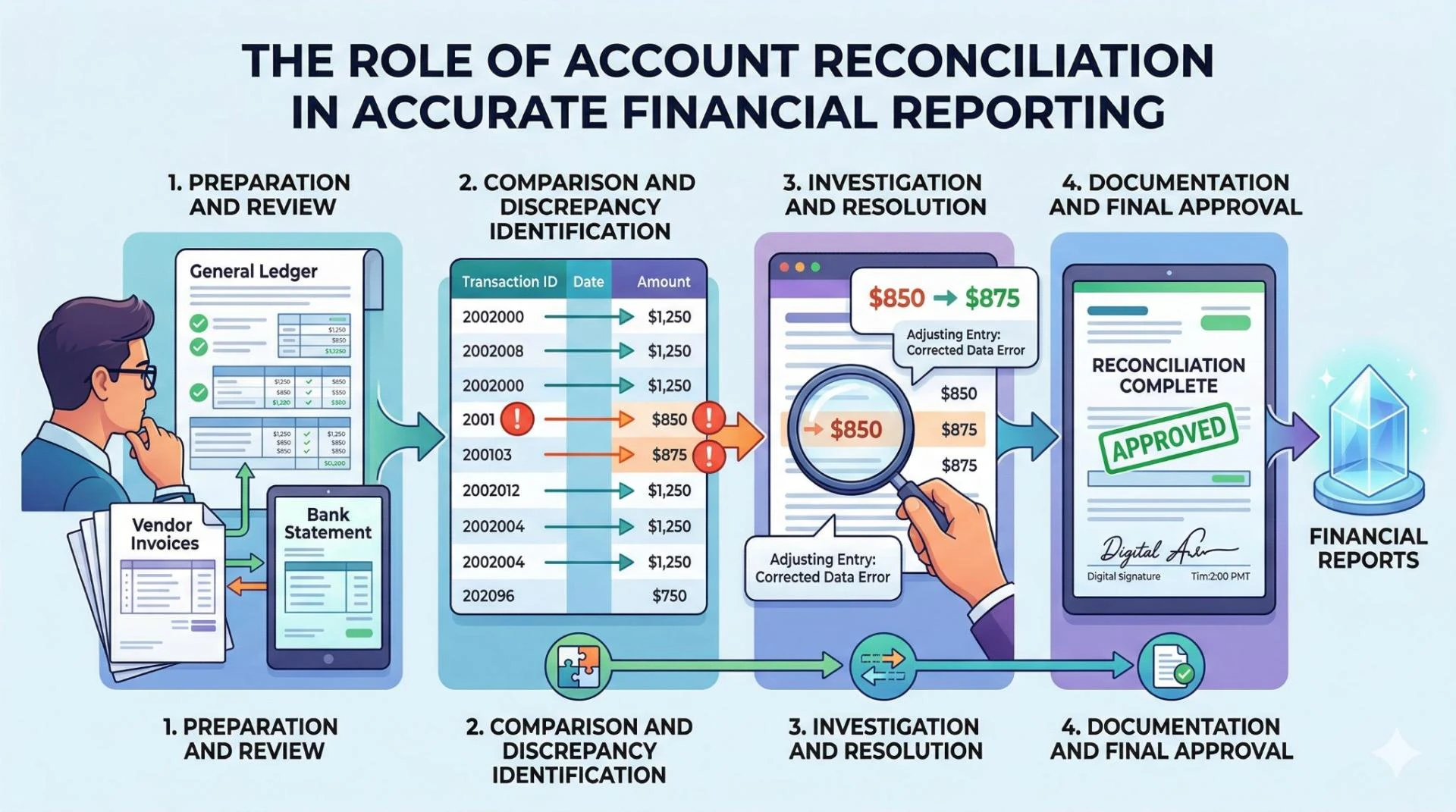
Accurate financial reporting starts with reliable account reconciliation. This guide explains how structured reconciliation prevents errors, supports financial…
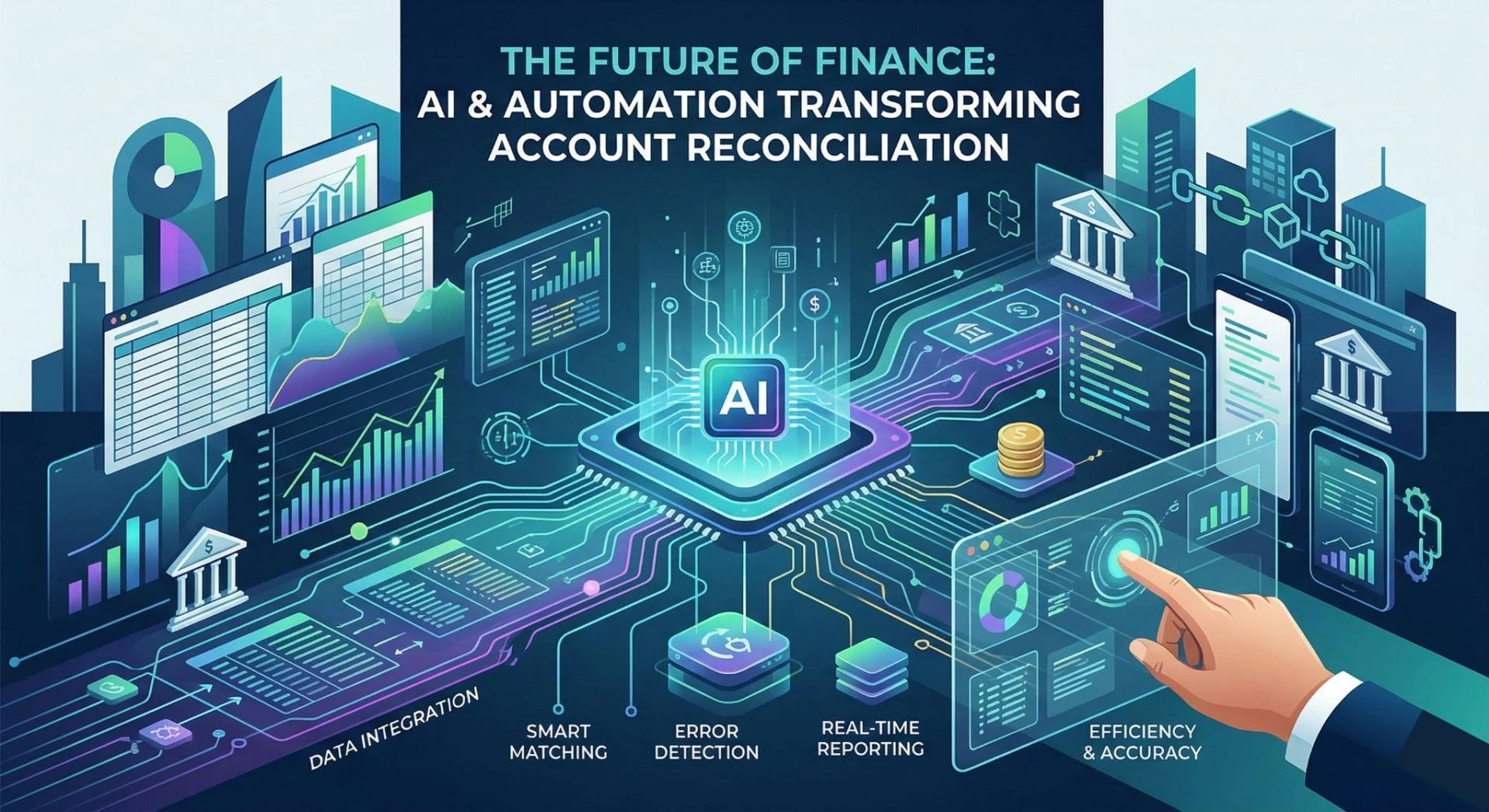
AI and automation are redefining how finance teams handle account reconciliation. Instead of manual reviews and spreadsheet tracking, intelligent systems analyz…
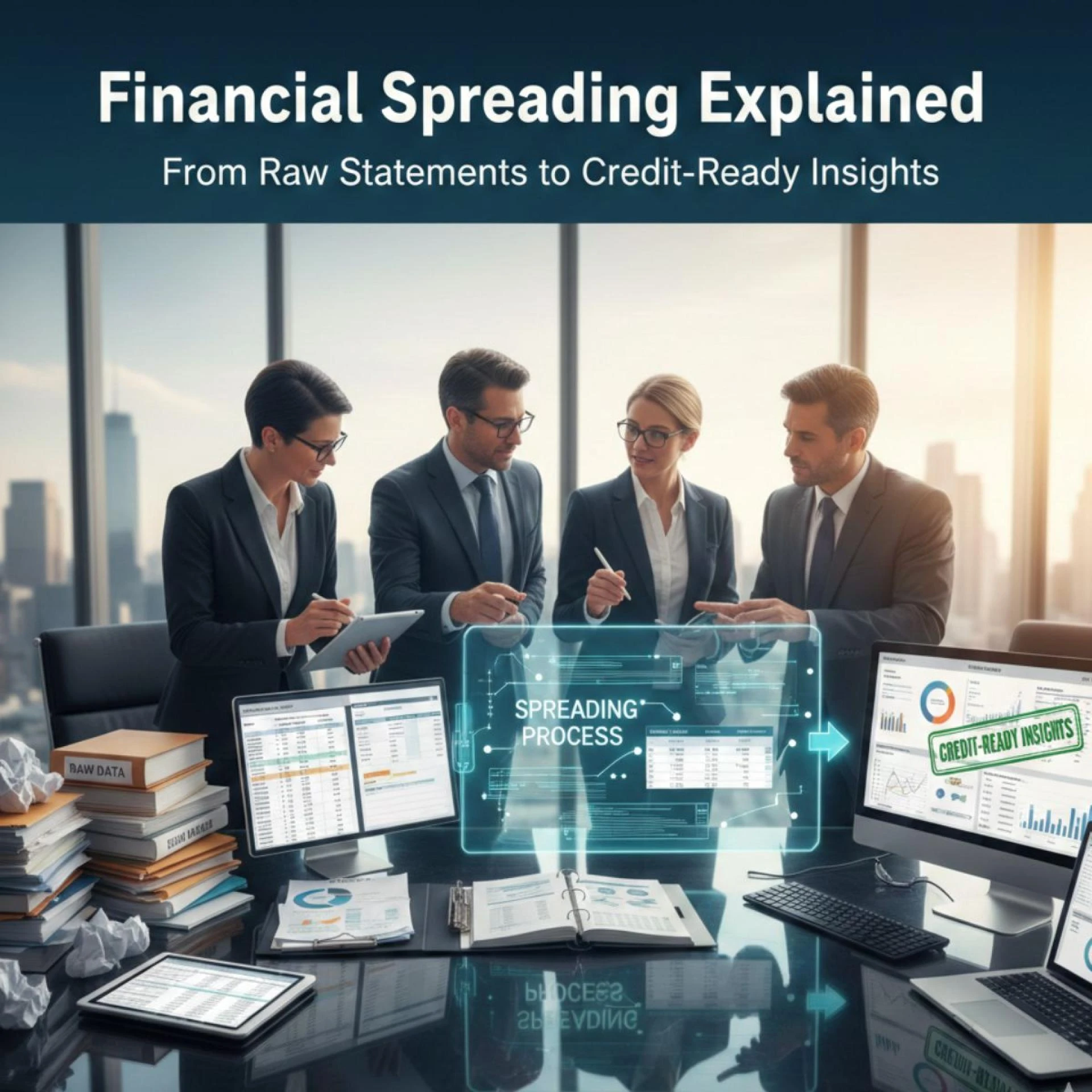
This guide explains how financial spreading converts raw statements into structured, credit-ready records, covering methods, accuracy risks, AI workflows, contr…

Document automation in banking is reshaping finance operations. From faster loan processing to audit-ready data flows, automation is becoming a core enabler of …

Finance teams are adopting AI to handle operational pressure, improve visibility, and support smarter decisions. This article explains the key AI capabilities e…

Enterprises generate massive volumes of documents, yet most remain underutilized. This blog explains why an intelligent document strategy is now critical, and w…

Invoice matching is a critical step in accounts payable, yet it remains a common source of delays and inaccuracies across finance teams. When matching

This blog explains how AP automation meets the unique needs of healthcare, from complex billing and compliance to multi-stakeholder approvals. It covers key fea…
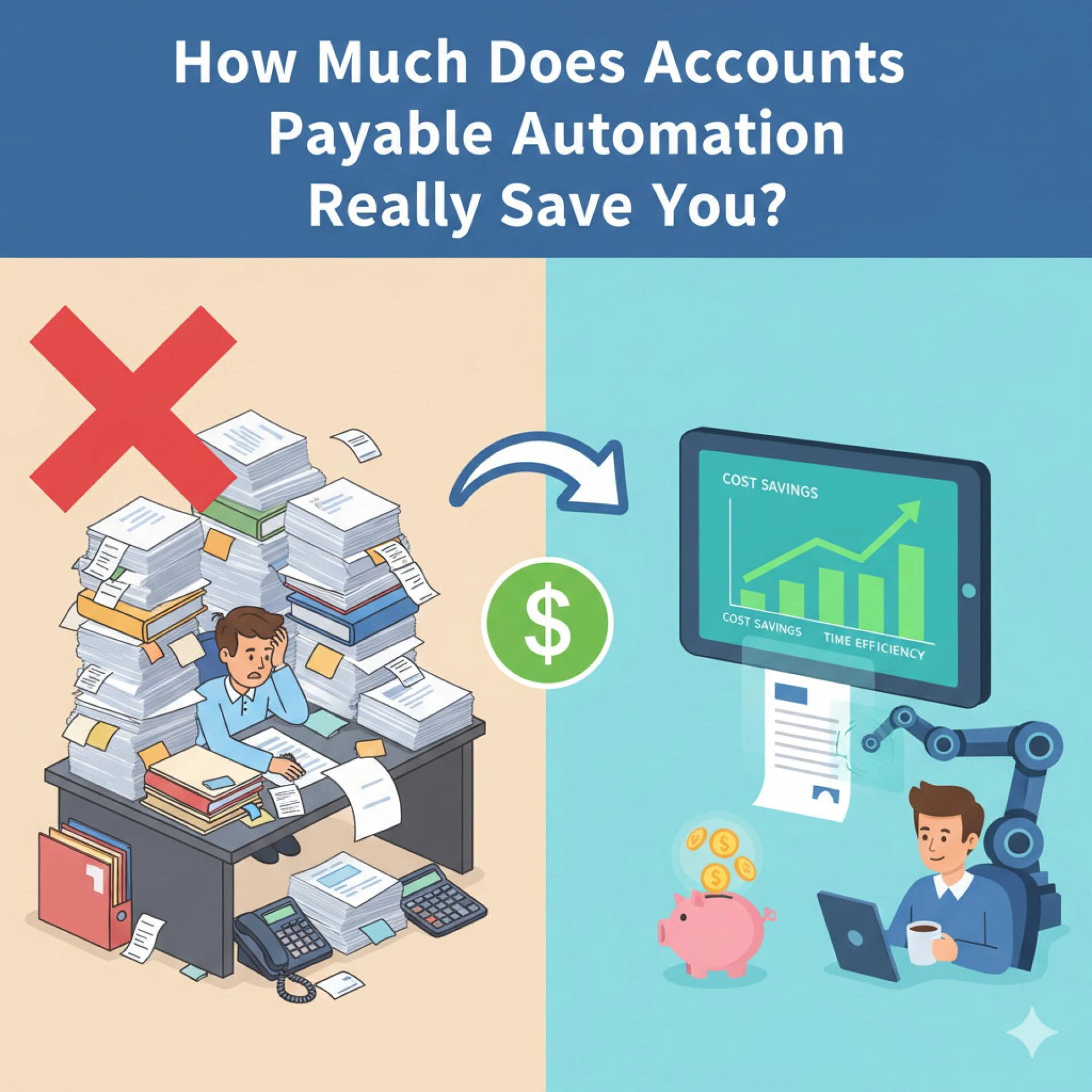
Accounts Payable Automation is changing how finance teams manage costs, compliance, and cash flow. Manual processing still consumes time, labor, and c

Learn how to choose the best Accounts Payable software for your business. This guide covers evaluation criteria, deployment models, cost insights, and long-term…