
In today's digital landscape, your landing page is often the first point of contact between your brand and potential customers. A well-designed landing page can be the difference between a conversion and a bounce. This guide will walk you through essential tips and tricks to create a high-converting UI/UX landing page that captivates visitors and drives results.
1. Define Your Goal
Before you start designing, clearly define the primary goal of your landing page. Is it to generate leads, make sales, or encourage app downloads? Your goal will inform every design decision you make, ensuring a focused and effective page.
2. Know Your Audience
Understanding your target audience is crucial. Research their preferences, pain points, and motivations. This knowledge will help you create a landing page that resonates with your visitors and addresses their specific needs.
3. Craft a Compelling headline
Your headline is the first thing visitors see. Make it count by creating a clear, concise, and benefit-driven headline that immediately communicates your value proposition. Use action words and focus on what your product or service can do for the user.
4. Use Persuasive Subheadings
Support your main headline with subheadings that provide additional information and guide visitors through your page. Use these to highlight key benefits or features that set you apart from competitors.
5. Implement a Clean, Minimalist Design
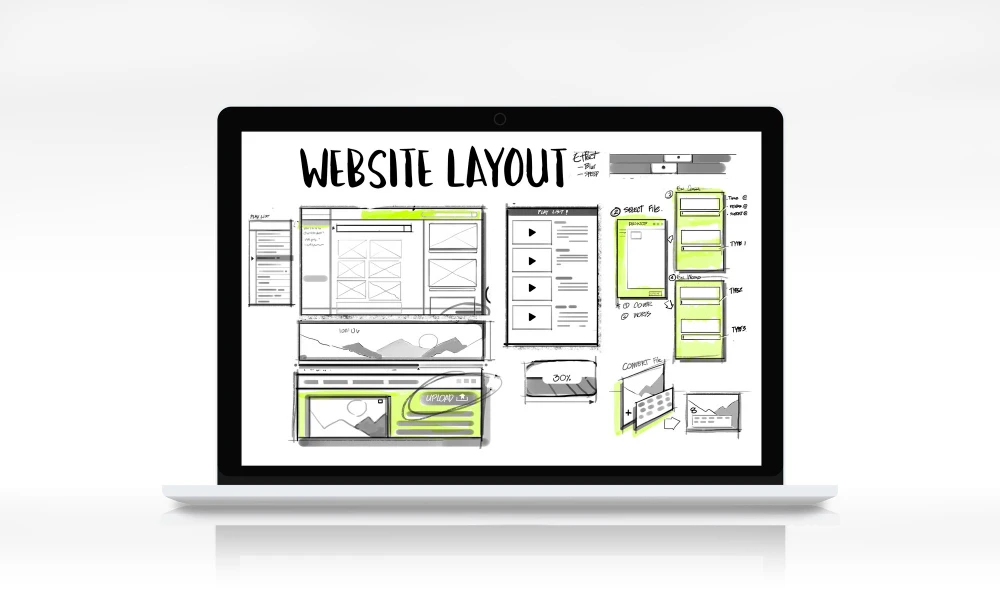
A cluttered page can overwhelm visitors and distract from your main message. Embrace white space and a minimalist design to create a clean, professional look that keeps the focus on your content and call-to-action (CTA).
6. Optimize for Mobile
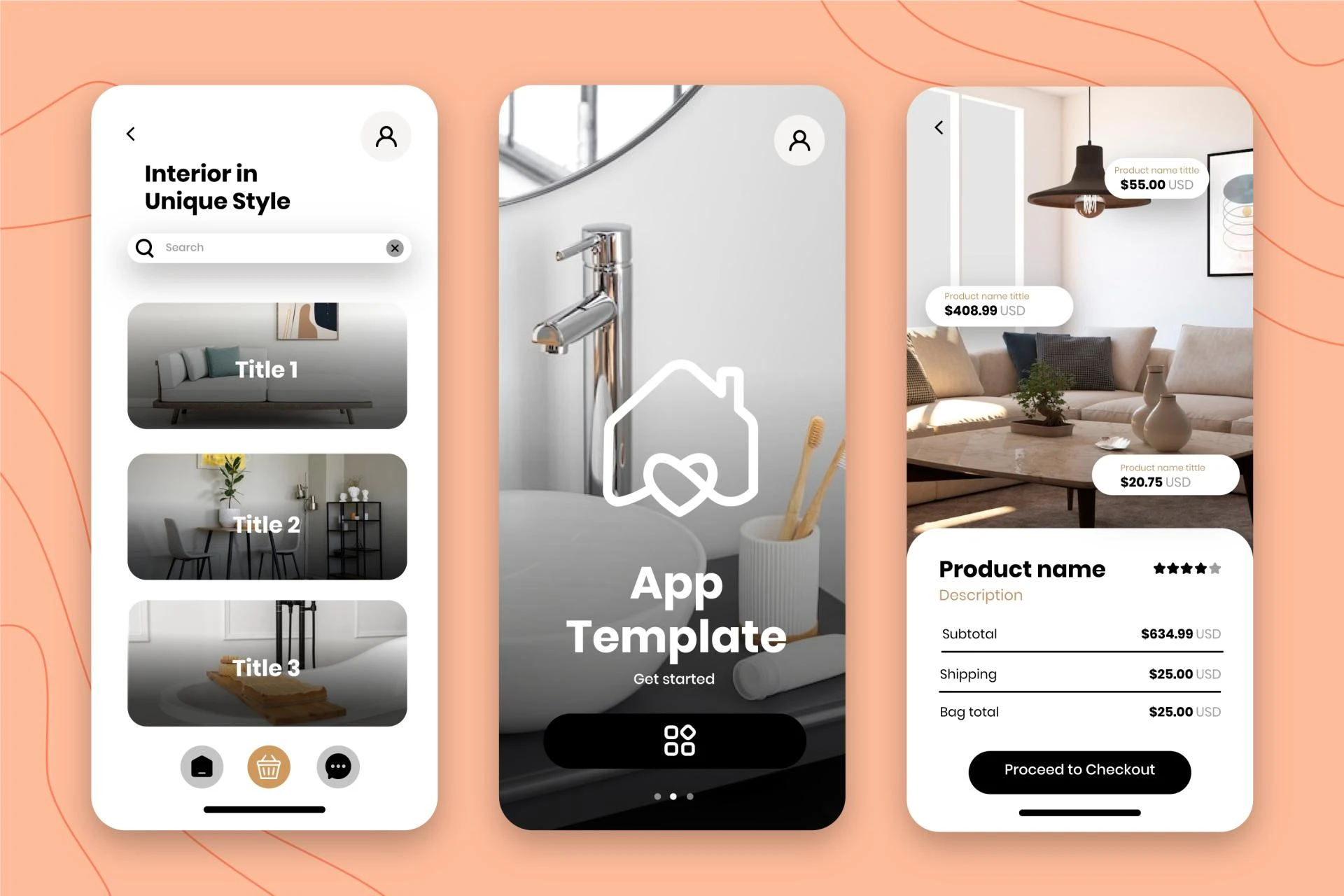
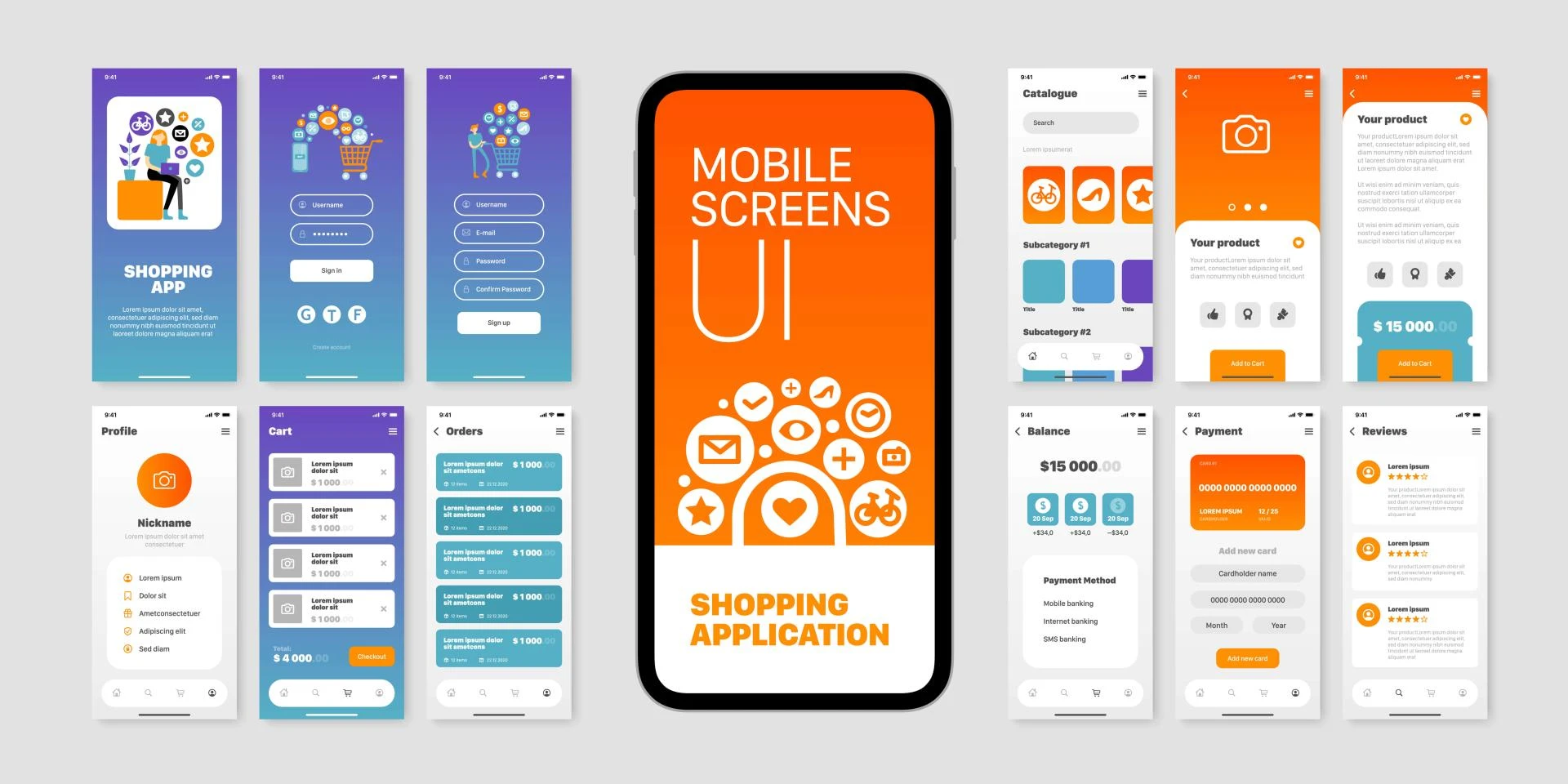
With mobile traffic continuing to rise, ensuring your landing page is fully responsive is non-negotiable. Test your design across various devices and screen sizes to provide a seamless experience for all users.
7. Use High-Quality, Relevant Images
Visual content can significantly impact user engagement. Use high-quality, relevant images or videos that complement your message and showcase your product or service in action. Avoid generic stock photos that can make your page feel inauthentic.
8. Incorporate Social Proof
Build trust and credibility by including social proof elements such as customer testimonials, case studies, trust badges, or logos of well-known clients. These can help overcome skepticism and boost conversions.
9. Create a Clear and Compelling CTA
Your call-to-action is the most critical element of your landing page. Make it stand out with contrasting colors, clear and action-oriented text, and strategic placement above the fold and throughout the page for easy access.
10. Optimize Page Load Speed
A slow-loading page can significantly impact your conversion rates. Optimize images, minimize HTTP requests, and leverage browser caching to ensure your page loads quickly across all devices and connection speeds.
11. Use Persuasive Copywriting Techniques
Your copy should be clear, concise, and compelling. Focus on benefits rather than features, use bullet points for easy scanning, and incorporate power words that trigger emotional responses. Address potential objections directly to build confidence in your offer.
12. Implement Effective Color Psychology
Colors can evoke emotions and influence behavior. Choose a color scheme that aligns with your brand and the emotional response you want to elicit from your audience. Use contrasting colors to make important elements like CTAs stand out.
Conclusion
Designing a high-converting UI/UX landing page is both an art and a science. By implementing these tips and tricks, you can create a landing page that not only looks great but also drives results. Remember, the key to success is continuous testing and optimization. What works for one audience may not work for another, so always be prepared to iterate and improve based on data and user feedback. With persistence and attention to detail, you can create a landing page that turns visitors into valuable customers.
My Fiver link for : Figma Landing Page Design Service






















Sign in to leave a comment.