
In the digital age, your landing page is often the first impression potential customers have of your brand. It's your virtual storefront, your digital handshake, and your chance to make a lasting impact. But with attention spans shrinking and competition increasing, how do you create a landing page that not only captures attention but also converts visitors into customers? Let's dive into the secrets of effective UI/UX landing pages that will help you achieve just that.
1. Understand Your Audience
Before you even begin designing your landing page, it's crucial to understand who you're designing for. Who is your target audience? What are their pain points? What solutions are they seeking? By deeply understanding your audience, you can tailor your landing page to address their specific needs and desires.
Conduct thorough market research, create buyer personas, and use analytics data from your existing web properties. This information will guide your design decisions and help you craft messaging that resonates with your visitors.
2. Clear and Compelling Value Proposition
Your value proposition is the cornerstone of your landing page. It should clearly and concisely communicate what you're offering and why it's valuable to your visitors. Place this front and center, typically in the hero section of your page.
Use clear, benefit-driven language that speaks directly to your audience's needs. Avoid jargon and focus on how your product or service will improve their lives or solve their problems.
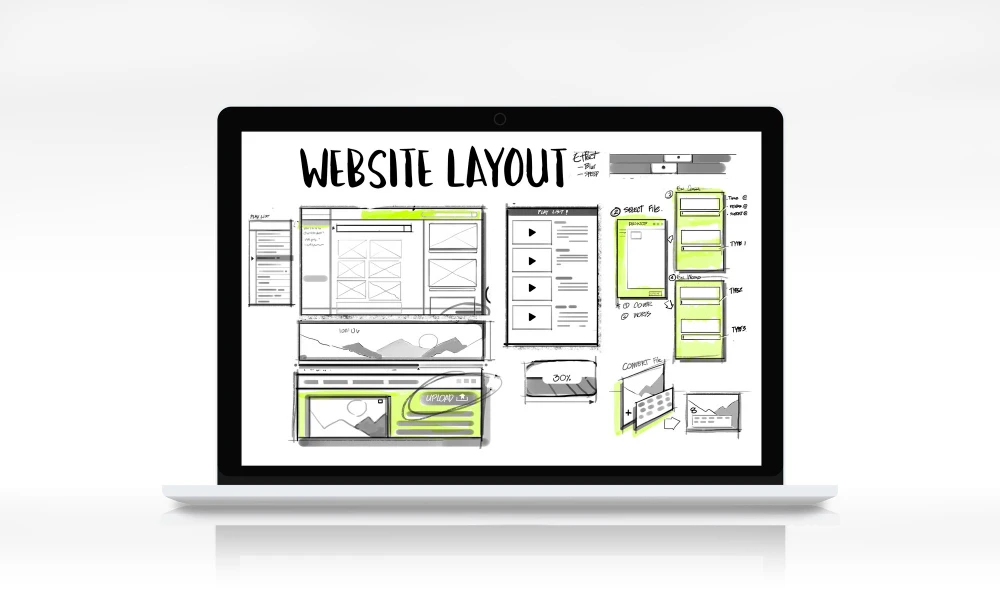
3. Streamlined Design and Layout
When it comes to landing page design, less is often more. A cluttered or overly complex page can overwhelm visitors and dilute your message. Aim for a clean, streamlined design that guides visitors' attention to the most important elements.
Use a logical hierarchy, with the most crucial information at the top of the page. Employ whitespace effectively to create visual breathing room and make your content more digestible. Remember, every element on your page should serve a purpose in moving visitors towards your desired action.
4. Engaging Visuals
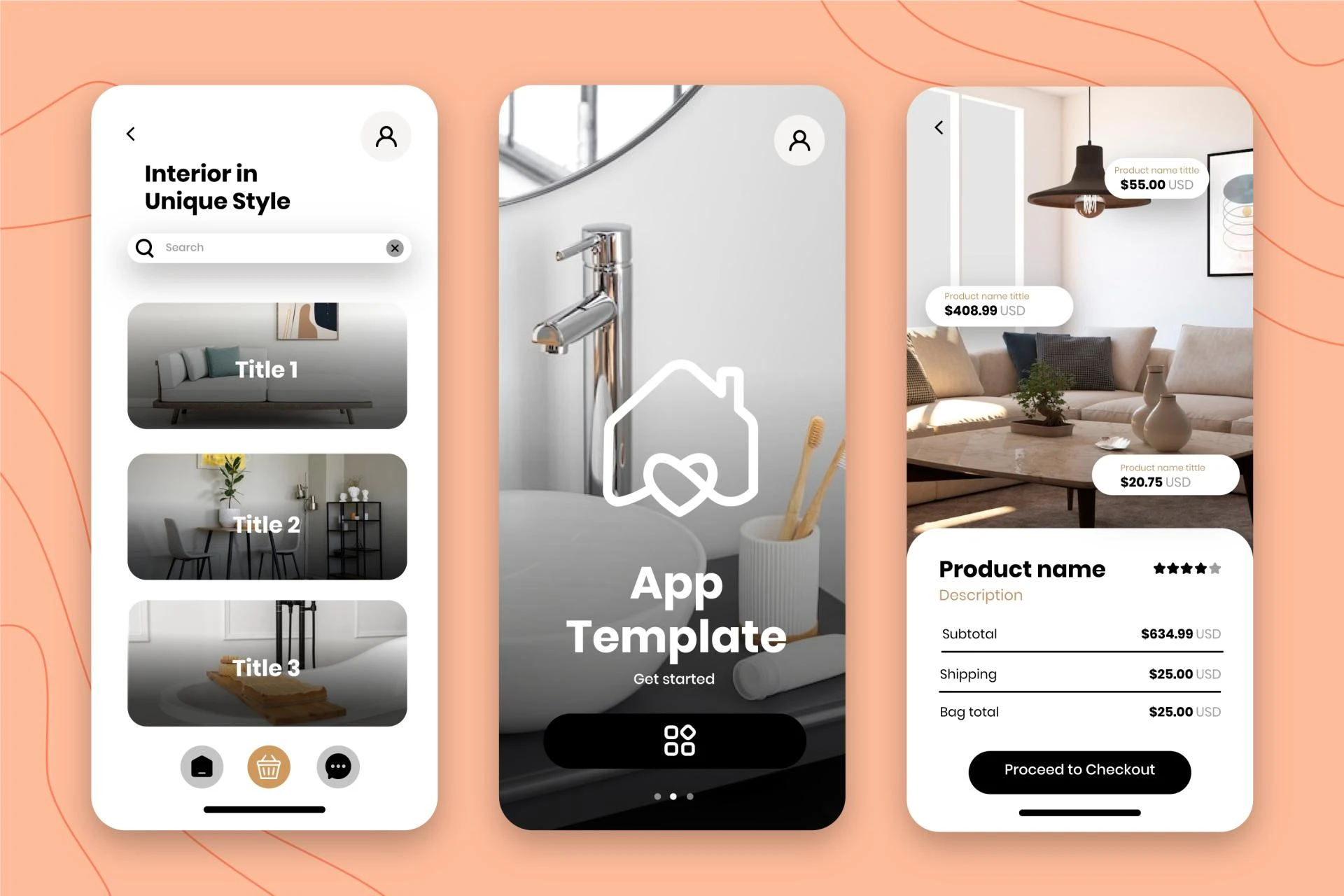
Humans are visual creatures, and compelling imagery can make a significant impact on your landing page's effectiveness. Use high-quality, relevant images or videos that support your message and appeal to your target audience.
Consider using hero images that showcase your product in action or evoke the emotions you want associated with your brand. If appropriate, incorporate illustrations or infographics to explain complex concepts quickly and engagingly.
5. Persuasive Copy
While visuals grab attention, it's your copy that does the heavy lifting in terms of persuasion. Your landing page copy should be clear, concise, and compelling. Focus on benefits rather than features, and use a tone that resonates with your target audience.
Use short paragraphs, bullet points, and subheadings to break up text and make it easy to scan. Incorporate social proof elements like testimonials or case studies to build trust and credibility.
6. Optimized Forms
If your landing page includes a form (for lead generation, sign-ups, etc.), optimize it for maximum conversions. Keep forms as short as possible, asking only for essential information. Use clear labels and placeholder text to guide users.
Consider using multi-step forms for longer forms, as they can feel less overwhelming to users. Always include a clear call-to-action (CTA) button with action-oriented text.
7. Strong Call-to-Action (CTA)
Speaking of CTAs, they're crucial for guiding visitors towards your desired action. Make your primary CTA button stand out with contrasting colors and ample whitespace around it. Use action-oriented, specific language like "Start Your Free Trial" or "Get Your Custom Quote" rather than generic phrases like "Submit" or "Click Here."
Consider using secondary CTAs for visitors who might not be ready for your primary offer. These could lead to more information, a lower-commitment offer, or a different conversion path.
8. Mobile Responsiveness
With mobile traffic accounting for over half of all web traffic, ensuring your landing page looks and functions flawlessly on mobile devices is non-negotiable. Use responsive design techniques to adapt your layout for different screen sizes.
Pay special attention to touch targets on mobile, ensuring buttons and links are large enough to be easily tapped. Test your page across a variety of devices and screen sizes to ensure a consistent experience.
9. Fast Loading Speed
In today's fast-paced digital world, speed is crucial. A slow-loading page can significantly increase bounce rates and decrease conversions. Optimize your images, minify your code, and leverage browser caching to improve load times.
Consider using a content delivery network (CDN) to serve your content quickly to users around the globe. Regularly test your page speed using tools like Google PageSpeed Insights and make improvements as needed.
10. A/B Testing and Continuous Improvement
Creating an effective landing page is an ongoing process of refinement and optimization. Implement A/B testing to compare different versions of your page and identify what resonates best with your audience.
Test elements like headlines, images, CTA button colors, form layouts, and copy. Use the insights gained from these tests to continuously improve your page's performance.
11. Trust Signals and Social Proof
Build trust with your visitors by incorporating elements that demonstrate your credibility and reliability. This can include customer testimonials, trust badges, security seals, and logos of well-known clients or partners.
If you have impressive statistics or accolades, showcase them prominently. For example, "Trusted by over 10,000 businesses worldwide" or "Award-winning customer support."
12. Personalization
Where possible, personalize the landing page experience for different segments of your audience. This could involve showing different content or offers based on the visitor's location, referral source, or past interactions with your brand.
Personalization can significantly increase relevance and, consequently, conversion rates. However, be mindful of privacy concerns and always be transparent about data usage.
Conclusion
Creating an effective UI/UX landing page is both an art and a science. It requires a deep understanding of your audience, a clear value proposition, and a thoughtful approach to design and content. By focusing on these key elements and continuously testing and refining your approach, you can create landing pages that not only capture attention but also drive meaningful conversions.
Remember, there's no one-size-fits-all solution in the world of landing pages. What works for one business or audience may not work for another. The key is to stay curious, keep learning, and always put your users' needs at the forefront of your design decisions. With these principles in mind, you'll be well on your way to unlocking the secrets of truly effective landing pages that capture and convert your audience.
Visit my Upwork project catalog : Elementor Developer
























Sign in to leave a comment.