

Introduction:
In the dynamic world of technology, User Experience (UX) design plays a pivotal role in shaping the way we interact with digital products. Whether you're a budding designer or someone simply curious about the field, this ultimate guide aims to demystify UX design for beginners. Let's embark on a journey to understand the fundamental concepts, principles, and practices that make for a seamless and enjoyable user experience.
Understanding UX Design:
User Experience design is all about creating products that are not just aesthetically pleasing but also user-friendly. At its core, UX design focuses on enhancing the overall satisfaction of users by improving the accessibility, usability, and pleasure provided in the interaction with a product.
Key Principles of UX Design:
User-Centered Design:
The heart of UX design lies in understanding the needs, behaviors, and preferences of the users. By placing the user at the center of the design process, designers can create solutions that truly cater to their audience.Usability:
A user-friendly design is a hallmark of good UX. Ensure that your design is intuitive, easy to navigate, and doesn't leave users scratching their heads in confusion. Conduct usability testing to identify and address any potential issues.Consistency:
Consistency in design elements, such as colors, fonts, and interactions, helps users build a mental model of the product. This familiarity contributes to a smoother and more enjoyable experience.Accessibility:
An inclusive design approach ensures that your product is accessible to users of all abilities. Consider factors like readability, keyboard navigation, and alternative text for images to make your product universally usable.Essential UX Design Tools:
Wireframing Tools:
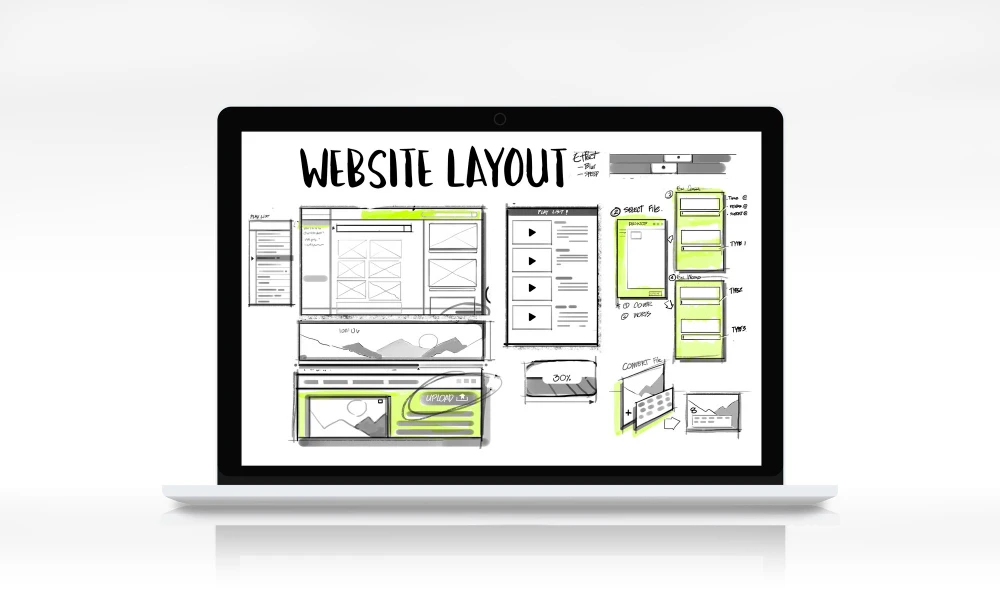
Tools like Sketch, Figma, or Adobe XD help designers create low-fidelity representations of their designs, allowing for early feedback and iteration.Prototyping Tools:
Tools like InVision or Proto.io enable designers to create interactive prototypes, providing a more realistic preview of the final product.User Testing Platforms:
Platforms like UserTesting or Maze allow designers to gather valuable feedback from real users, helping to identify and rectify any usability issues.The UX Design Process:
Research:
Understand your target audience, their needs, and pain points. Conduct user interviews, surveys, and competitor analysis to gather valuable insights.Ideation:
Brainstorm and generate ideas for your design. This is the phase where you explore different possibilities and directions for your project.Prototyping:
Create interactive prototypes to visualize and test your design concepts. This phase helps in refining the user flow and identifying potential challenges.Testing:
Conduct usability testing with real users to gather feedback and make informed iterations. This step is crucial for fine-tuning your design before implementation.Implementation:
Collaborate with developers to bring your design to life. Regular communication ensures that the final product aligns with the intended user experience.Conclusion:
As you delve into the fascinating realm of UX design, remember that it's a continuous learning process. Stay curious, embrace feedback, and always keep the user at the forefront of your design decisions. The ultimate guide to UX design for beginners equips you with the foundational knowledge to embark on your UX journey. Happy designing!
Visit my Upwork profile for - UI/UX design, Mobile Design & Product Designer
Project Catalog for - Mobile App UI UX Design, iOS or Android Mobile APP UX/UI Design & Modern Crypto Design



























Sign in to leave a comment.