
In the world of mechanical engineering, there is a common adage: the strength of the whole is defined by the integrity of its smallest parts. Whether we are looking at heavy-duty automotive engines, delicate aerospace instrumentation, or the massive hydraulic systems used in urban infrastructure, the connection points are where the most stress—and potential for failure—resides. Many engineers and procurement managers prioritize the primary structural components, yet often overlook the vital sealing and spacing elements that ensure these systems remain operational over long life cycles. It is here that the intersection of precision engineering and reliable material sourcing becomes paramount, which is why partnering with metric and rubber washers specialists is essential for any firm looking to guarantee long-term performance and avoid the high costs of premature maintenance.
The modern manufacturing landscape is global, and with that comes the challenge of interoperability. The shift toward standardized metric systems in international trade has streamlined many processes, but it has also introduced a need for exact compliance with DIN and ISO standards. When a design calls for a specific millimeter tolerance, using an imperial equivalent "that is close enough" is a recipe for vibration, loosening, and eventual mechanical breakdown. Specialists in this field do more than just supply parts; they act as a safeguard for the assembly line, ensuring that every seal, gasket, and washer matches the exact engineering specifications required for the application.
The Complexity of Metric Standards and Sealing Dynamics
Moving beyond simple dimensions, the material science behind these components is equally complex. Metric fasteners are engineered for precision, but the environment in which they operate dictates the material. In high-temperature environments, you might need high-grade stainless steel washers that resist oxidation. In fluid-handling systems, you require rubber gaskets that can withstand chemical exposure without swelling or degrading.
This is where the distinction between a commodity supplier and an engineering partner becomes clear. A specialist does not simply fill an order; they consult on the material choice based on the operating environment. They understand that a Viton rubber washer may be chemically resistant to fuels and acids, while an EPDM washer is far superior for outdoor exposure due to its resistance to ozone and weathering. Miscalculating these variables can lead to system leaks, loss of hydraulic pressure, and in severe cases, safety hazards. When the technical documentation for an assembly specifies a metric dimension, it carries a weight that cannot be ignored. The precision of the bolt, the nut, and the washer must operate in perfect harmony, a concept known as "joint integrity."
Bridging the Gap: Bespoke Manufacturing and Design
While standardized parts cover the majority of industrial needs, engineering is rarely a one-size-fits-all discipline. There are countless instances where off-the-shelf components—even those made to precise metric standards—simply cannot meet the unique geometry or structural requirements of a proprietary design. Perhaps the housing for a sensor has a non-standard clearance, or a linkage in a robotic arm requires a specific load-bearing surface area that no standard catalogue part can provide.
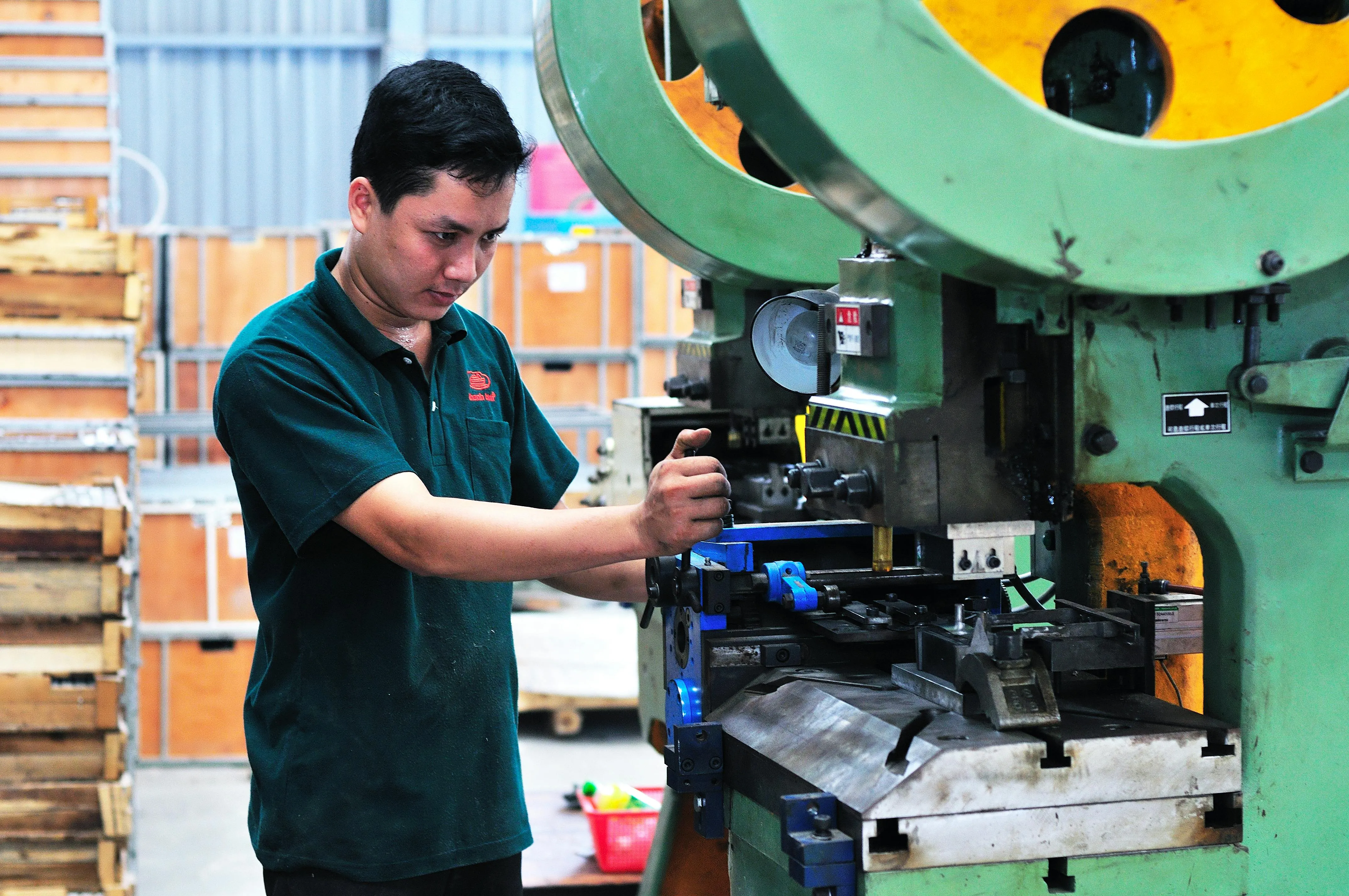
It is in these scenarios that the manufacturing process must pivot from mass production to bespoke creation. This is where the production of custom stamping washers becomes a necessary pivot for complex assemblies. Unlike standard items, custom stamping allows for the creation of washers with specific outer diameters, internal bore shapes, thicknesses, and even material hardness levels that are tailored to the application.
The process of custom stamping is a marriage of art and physics. It involves designing a die that can punch the required shape out of a sheet of metal with minimal material waste and maximum structural integrity. For instance, if an application requires a washer to distribute load over a fragile composite surface, a standard hardened steel washer might crack the material. A custom stamping solution could involve using a softer, more ductile alloy with a larger surface area to spread the force, effectively protecting the component it is meant to secure. Furthermore, custom stamping allows for the integration of unique features, such as tabs for orientation, specific punch-outs for clearance, or even multi-stage forms that add rigidity to the washer itself.
Quality Assurance in the Supply Chain
In an era of lean manufacturing, the cost of quality is a metric that every firm tracks. A single failed washer can lead to a warranty claim that costs thousands of dollars, far outweighing the price of the part itself. This is why the selection of a manufacturing partner must be rooted in their ability to provide verifiable quality.
Quality assurance in the stamping and fastener industry goes beyond just visual inspection. It requires sophisticated measurement tools, such as optical comparators and Coordinate Measuring Machines (CMMs), to ensure that the parts meet the exact tolerances specified in the blueprints. When procuring custom components, the supplier must be capable of providing material certifications (mill certs) that track the metal or rubber back to its source. This traceability is not just for compliance; it is a fundamental pillar of risk management.
Moreover, the best manufacturers integrate quality checks into the production process itself. Real-time tonnage monitoring on the presses, automated sensor systems that detect misfeeds or tool wear, and statistical process control (SPC) data are all tools that help ensure that every single unit in a production run of ten thousand is as perfect as the first. This consistency is what engineers demand when they are designing systems that have to survive in harsh, vibrating, or corrosive environments.
Looking Toward the Future of Fastening
As we look toward the next decade of industrial development, we see several trends shaping the industry. The first is the move toward lighter-weight materials. As the automotive and aerospace industries push for higher fuel efficiency, the demand for lightweight, high-strength aluminum and composite washers is growing. These materials require different stamping techniques compared to traditional steel, as they often have different work-hardening characteristics.
The second trend is the digitalization of the supply chain. Engineers now expect CAD files to be seamlessly converted into production-ready stamping dies with minimal turnaround time. Rapid prototyping—using techniques like laser cutting or water-jet cutting to create the first few samples before committing to a full production die—is becoming the industry standard. This allows for iterative design, where the washer can be tweaked and tested until the joint performs perfectly.
The third trend is sustainability. Manufacturers are increasingly focused on reducing scrap metal waste by optimizing the layout of the stamping patterns on the metal coil. This not only lowers the environmental impact of the production process but also provides a cost advantage that is passed on to the customer.
In conclusion, while washers and sealing components may seem like minor elements in the grand scheme of mechanical design, their impact on the reliability and longevity of any system is profound. Whether you are dealing with the rigid tolerances of metric standards or the nuanced requirements of bespoke engineering, the partnership between the designer and the manufacturing specialist is the bridge between a blueprint and a working, durable machine. By prioritizing precision, material science, and the capability for customization, organizations can ensure that their products stand the test of time, proving once again that in engineering, the smallest details are often the most important.





























Sign in to leave a comment.