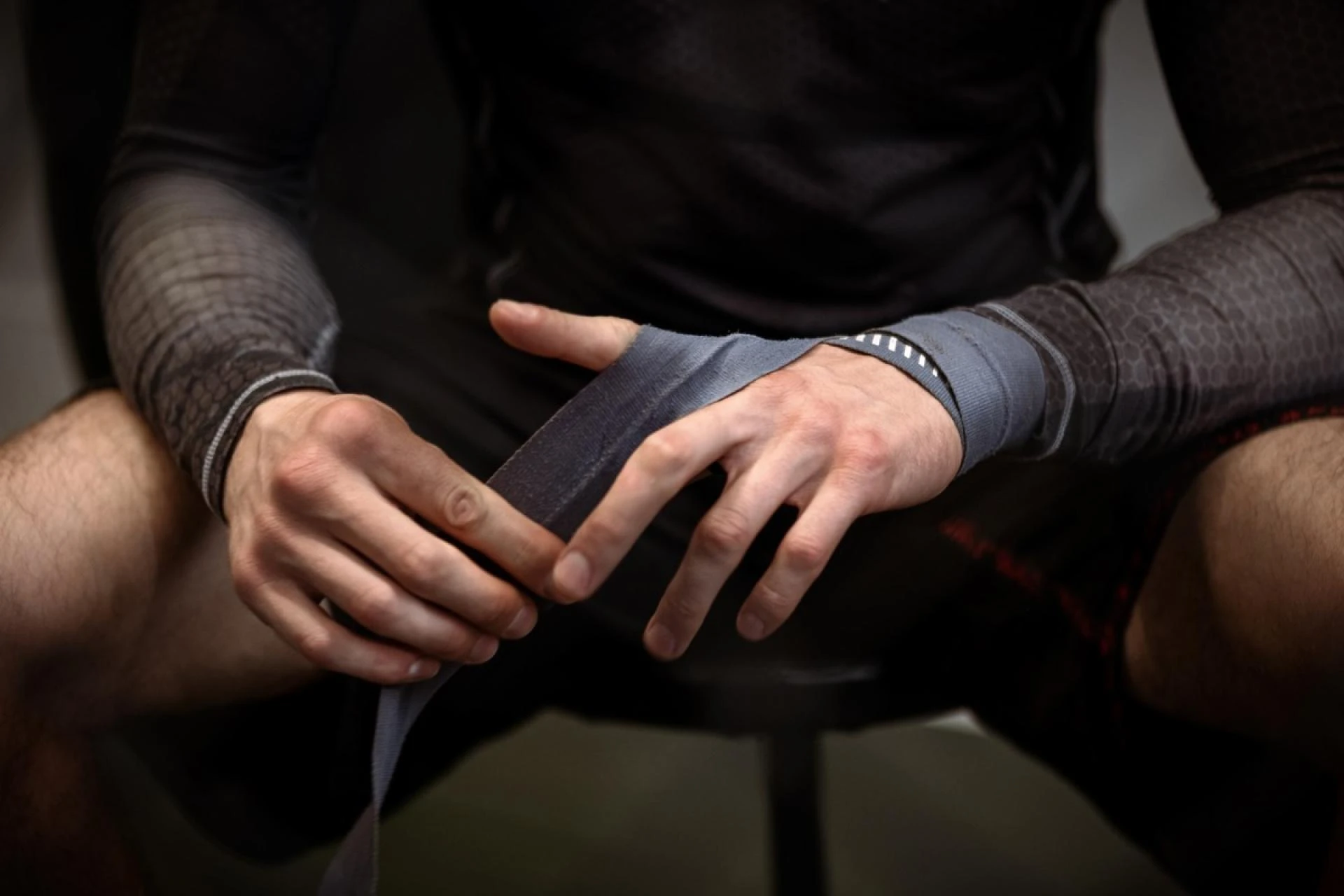

What started as a vague idea of a flashy fighting style quickly turned into an appreciation for how deeply Krav Maga is rooted in multiple martial arts, including boxing, karate-style kicking, and ground fighting similar to wrestling. Training exposed the author to proper striking mechanics, coordinated use of the legs, and realistic grappling, all blended into a practical system without sport rules.
A major realization was that Krav Maga is built around instinct and real-life stress rather than perfect technique. Classes emphasize surprise scenarios, high-pressure situations, and fast decision-making, teaching students to rely on natural reactions when memory fails. There are no rules or controlled environments—scenarios are designed to mirror real-world threats, often in confined or unpredictable settings. The training also includes weapon awareness and disarm techniques, reinforcing the idea that self-defense must account for realistic dangers, not just hand-to-hand combat.
Physically and mentally, Krav Maga proved far more demanding than expected. The intense conditioning builds endurance so techniques remain effective under fatigue, while the structured steps behind each movement teach students to understand why actions work, not just how to perform them. Most importantly, the author learned that Krav Maga is not about killing, but about protection, survival, and escape. The core mindset centers on defending yourself and loved ones, disengaging when possible, and leaving situations safely rather than seeking unnecessary harm.
























Sign in to leave a comment.