

Getting a tattoo can be an exciting way to express your personality, memories, beliefs, or creativity. But sometimes, an old tattoo no longer represents who you are. It may have faded over time, remind you of a past relationship, contain a design you no longer like, or simply not have turned out the way you expected. When that happens, a cover-up tattoo can be an excellent way to transform unwanted ink into something new.
However, getting a cover-up is different from getting a tattoo on completely untouched skin. The existing ink, colors, size, and placement all influence what your new tattoo can look like. Before booking your appointment, there are several important things you should consider.
1. Understand How Cover-Up Tattoos Work
A cover-up tattoo is designed and tattooed over an existing tattoo to conceal or incorporate the original artwork. Instead of removing the old ink completely, the tattoo artist uses a new design, shading, color, and linework to make the existing tattoo less visible.
Because the old tattoo is still underneath the new one, the artist has to carefully plan the design. The new tattoo usually needs to be larger or darker in certain areas to effectively disguise the original artwork.
This means you shouldn't approach a cover-up in exactly the same way as choosing a regular tattoo. The existing tattoo becomes part of the design challenge.
2. Choose an Experienced Tattoo Artist
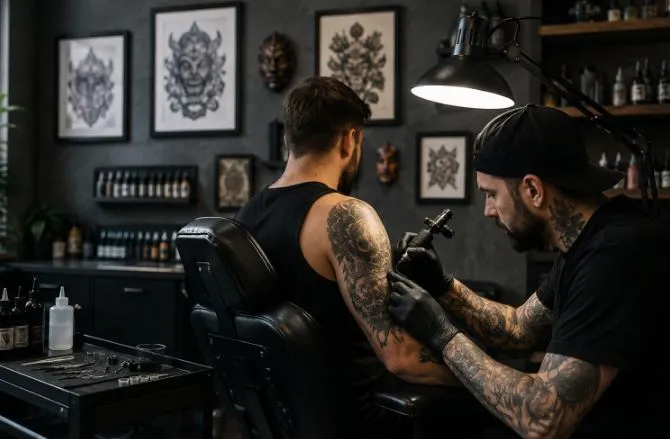
One of the most important decisions is choosing the right tattoo artist. Not every artist specializes in cover-ups, and experience matters when working with existing ink.
Look for an artist who has a strong portfolio of before-and-after cover-up tattoos. Pay attention to examples where the original tattoo was similar to yours in terms of size, darkness, colors, and placement.
A skilled cover-up artist understands how to use:
- Dark and light shading
- Color theory
- Line thickness
- Texture
- Patterns and details
- Strategic placement
Don't be afraid to ask an artist how they would approach your specific tattoo. A professional should be able to explain the possibilities and limitations clearly.
3. Be Realistic About the Design
One of the biggest mistakes people make is choosing a new design without considering the tattoo underneath it.
For example, you may want a small, delicate tattoo, but your existing tattoo might be large and heavily saturated with dark ink. In that situation, creating a very light and minimal cover-up may not be realistic.
Successful cover-ups often work particularly well with designs that naturally allow for shading and darker areas. Depending on the original tattoo, options such as flowers, animals, geometric patterns, ornamental designs, mandalas, or realistic artwork may provide more flexibility.
Your artist can help modify your preferred concept so it works with the existing ink.
4. Consider the Size of Your New Tattoo
A cover-up tattoo often needs to be larger than the original tattoo. This gives the artist more room to incorporate or disguise the existing lines and colors.
If you're hoping to cover a small tattoo with another tiny tattoo, your options may be limited. Expanding the design can sometimes produce a much more natural and visually balanced result.
Before deciding on the final size, consider how the new tattoo will fit with the surrounding area. You may be able to turn an unwanted small tattoo into the starting point for a larger piece of artwork.
5. Think About the Existing Tattoo's Color and Darkness
The color and saturation of your current tattoo can significantly affect the cover-up process.
Dark black ink, for example, can be more difficult to conceal with lighter colors. Bright or heavily saturated colors may also influence which colors can be used in the new design.
Your tattoo artist will assess the existing ink and determine which combinations are most likely to produce an effective result. In some cases, strategic use of darker shades can help blend the old tattoo into the new artwork.
This is one reason why professional consultation is so important.
6. Tattoo Removal May Be an Option
A cover-up isn't always the only solution. If your existing tattoo is particularly dark, dense, or difficult to work around, you may want to consider partial tattoo removal before getting the new design.
Even a few removal sessions may lighten the original tattoo enough to give your artist more options. You don't necessarily have to remove the tattoo completely.
If you're considering this route, speak with a qualified tattoo-removal professional first. Your tattoo artist and removal specialist can help you understand whether lightening the existing ink would make a meaningful difference.
7. Be Prepared for a Longer Tattoo Session
Cover-up tattoos can take longer than tattoos on fresh skin because the artist needs to carefully work with the existing design.
The exact time depends on factors such as:
- Size of the tattoo
- Complexity of the new design
- Amount of existing ink
- Placement
- Color and shading
- Skin condition
Larger or more detailed cover-ups may require multiple sessions. Don't rush the process simply because you want the old tattoo gone as quickly as possible.
8. Consider the Pain and Healing Process
A cover-up tattoo involves tattooing an area that has already been tattooed, but that doesn't necessarily mean it will be significantly more painful. Everyone's pain tolerance is different, and discomfort can vary depending on the location and length of the session.
Healing is also important. Follow your tattoo artist's aftercare instructions carefully. Keep the area clean, avoid unnecessary irritation, and give the tattoo enough time to heal.
Remember that the final appearance may not be immediately visible because redness, swelling, peeling, and other temporary changes can occur during healing.
9. Don't Make a Rushed Decision
If you're unhappy with an old tattoo, it can be tempting to cover it as quickly as possible. But rushing into another tattoo can lead to another decision you regret later.
Take your time choosing the new design. Think about whether you'll still enjoy it years from now. Look at different styles, collect references, and discuss your ideas with your tattoo artist.
A cover-up should ideally solve the problem rather than create another one.
10. Think About Your Long-Term Goals
Ask yourself what you want from the new tattoo.
Do you simply want the old tattoo to disappear? Do you want to create a meaningful piece of artwork? Are you interested in expanding the tattoo into a sleeve or larger composition?
Thinking about the bigger picture can help your artist create a design that works well now and gives you options for future tattoos.
11. Look at the Artist's Portfolio Carefully
A tattoo artist's portfolio can tell you a lot about their skills. However, don't just look at their best-looking tattoos. Specifically search for cover-up work.
Before-and-after photographs are particularly useful because they show how effectively the artist can transform existing ink.
Look for clean execution, balanced composition, natural integration of the old tattoo, and healed results when available. A fresh tattoo can look impressive, but healed photographs give you a better idea of the long-term outcome.
12. Understand That Every Cover-Up Is Unique
There is no universal formula for cover-up tattoos. Two people can have tattoos of similar size but completely different cover-up possibilities because of differences in ink density, skin, placement, fading, and design.
A good artist will evaluate your tattoo individually and create a plan based on what is realistically achievable.
The goal isn't necessarily to make the old tattoo physically disappear. The goal is to create a new piece of artwork where the original tattoo is no longer the main focus.
Final Thoughts
A cover-up tattoo can be much more than a way to hide unwanted ink. With the right planning and an experienced artist, an old tattoo can become the foundation for a completely new piece of artwork.
Before making your decision, consider the existing tattoo's size, color, darkness, and location, and be open to adjusting your desired design. Research tattoo artists who specialize in cover-ups, review their portfolios, and schedule a consultation before committing.
Most importantly, don't feel pressured to settle for the first idea. A successful cover-up requires creativity, patience, and realistic expectations. When you take the time to plan properly, you can turn an old tattoo into something you're genuinely proud to wear.
Your old tattoo doesn't have to define your skin forever. With thoughtful design and the right tattoo artist, it can become the starting point for something new.






















Sign in to leave a comment.