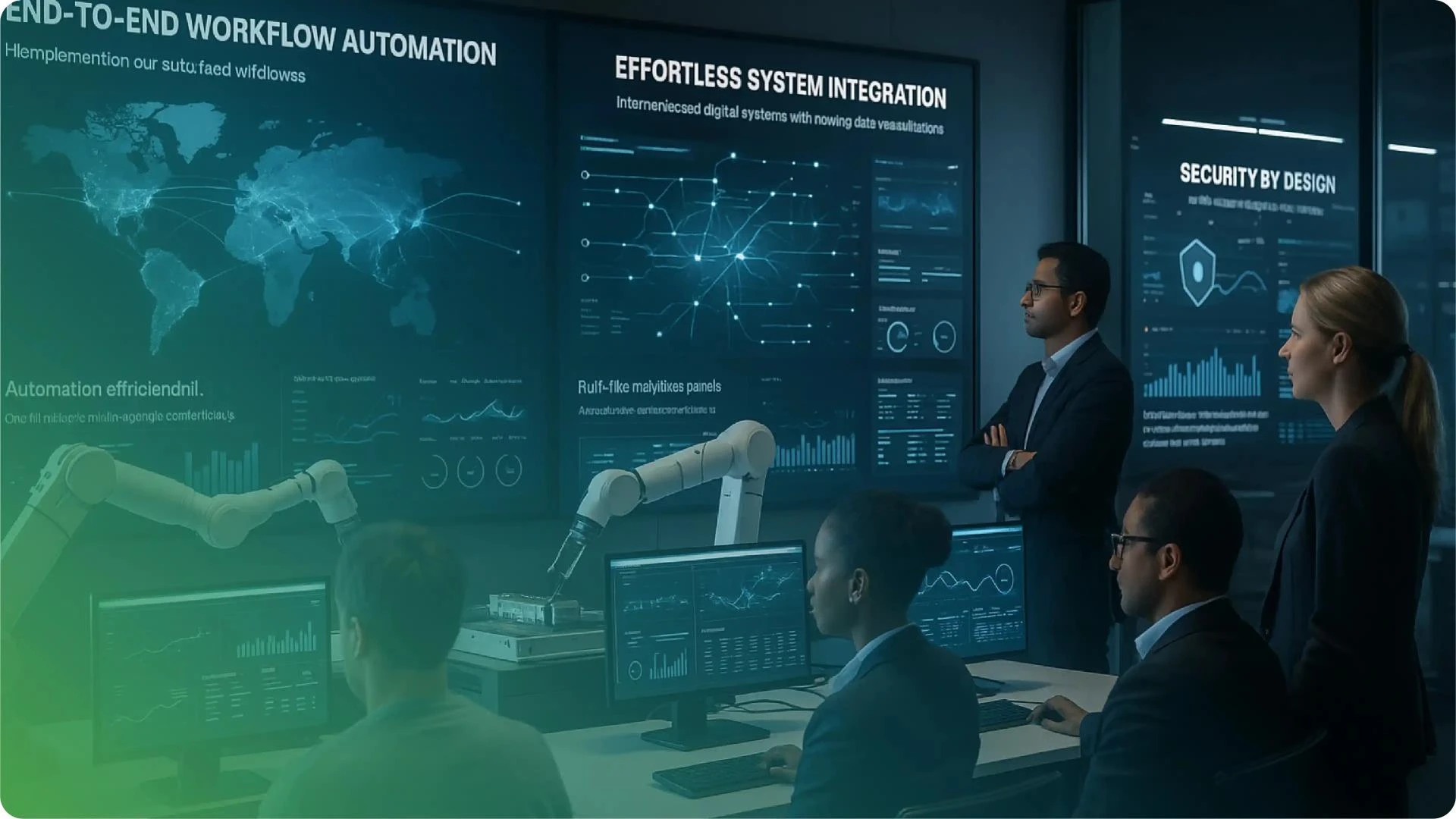
In today’s rapidly evolving digital landscape, enterprises are managing more data than ever before. From financial transactions and customer records to supply chain data and operational information, organizations rely heavily on digital systems to operate efficiently. However, as digital transformation accelerates, so do cybersecurity threats. Data breaches, unauthorized access, and data manipulation have become major concerns for enterprises across industries.
To address these challenges, businesses are exploring innovative technologies that can strengthen data security and improve trust in digital systems. One of the most promising solutions is enterprise blockchain technology. By combining decentralized architecture with advanced cryptography, enterprise blockchain technology provides a powerful framework for protecting sensitive information and ensuring data integrity. Platforms like ULedger are helping organizations implement secure blockchain solutions designed specifically for enterprise environments.
Understanding Enterprise Blockchain Technology
Enterprise blockchain technology refers to blockchain systems designed for business and organizational use. Unlike public blockchains that are open to anyone, enterprise blockchains are typically permissioned networks where access is restricted to authorized participants.
These blockchain networks are designed to support enterprise requirements such as security, scalability, compliance, and integration with existing systems. By recording transactions in a decentralized and immutable ledger, enterprise blockchain technology ensures that data remains secure, transparent, and tamper-resistant.
For enterprises seeking stronger cybersecurity frameworks, this technology provides several strategic advantages.
1. Enhanced Data Security
One of the primary benefits of enterprise blockchain technology is its ability to significantly enhance data security. Traditional centralized databases are often vulnerable to hacking, insider threats, and system failures. If attackers gain access to a central database, they may be able to alter or delete critical data.
Blockchain technology addresses this issue by distributing data across multiple nodes in a network. Each node maintains a copy of the ledger, making it extremely difficult for attackers to compromise the system.
Additionally, blockchain uses advanced cryptographic algorithms to secure transactions. Each record is encrypted and linked to the previous one, creating a chain of blocks that cannot be easily altered. This structure ensures that enterprise data remains protected against unauthorized changes.
2. Immutable and Tamper-Proof Records
Another major advantage of enterprise blockchain technology is the creation of immutable records. Once data is recorded on the blockchain, it cannot be modified or deleted without leaving a trace.
This immutability is especially important for enterprises that require reliable records for auditing, compliance, and regulatory reporting. For example, financial institutions must maintain accurate transaction histories, while healthcare organizations must ensure the integrity of patient records.
By using blockchain technology, enterprises can create tamper-proof records that maintain their authenticity over time. Solutions like ULedger help organizations verify and preserve trusted records while maintaining strict security controls.
3. Improved Transparency and Auditability
Transparency is a key requirement for many modern enterprises, especially those operating in highly regulated industries. Enterprise blockchain technology provides transparent and verifiable transaction histories that can be easily audited.
Every transaction recorded on a blockchain includes a timestamp and a cryptographic signature. This creates a permanent audit trail that allows organizations to track changes and verify the authenticity of data.
For auditors and compliance officers, blockchain-based records simplify verification processes and reduce the risk of fraud or data manipulation. With platforms such as ULedger, enterprises can maintain trusted audit trails that strengthen governance and accountability.
4. Stronger Protection Against Cyber Threats
Cyberattacks are becoming increasingly sophisticated, targeting enterprise systems with ransomware, phishing, and data manipulation techniques. Traditional security systems often rely on perimeter defenses that may not be sufficient to stop advanced attacks.
Enterprise blockchain technology adds an additional layer of security by decentralizing data storage and implementing cryptographic validation. Since data is distributed across the network, there is no single point of failure that attackers can exploit.
Furthermore, blockchain transactions must be verified through consensus mechanisms before being added to the ledger. This verification process prevents unauthorized modifications and helps detect suspicious activity within the system.
By integrating blockchain-based security frameworks, organizations can significantly reduce their exposure to cyber threats.
5. Secure Data Sharing Across Organizations
Modern enterprises often need to share data with partners, suppliers, and other stakeholders. However, sharing sensitive information across different systems can create security risks.
Enterprise blockchain technology enables secure data sharing by allowing multiple parties to access a shared ledger without compromising data integrity. Each participant can verify transactions independently, ensuring that all parties are working with accurate and consistent information.
This capability is particularly valuable in industries such as supply chain management, finance, and healthcare, where collaboration between organizations is essential. With blockchain-based platforms like ULedger, enterprises can share trusted data while maintaining full control over access and permissions.
6. Improved Compliance and Regulatory Support
Regulatory compliance is a major challenge for many enterprises, especially those operating in sectors such as finance, healthcare, and government. Organizations must demonstrate that their systems protect sensitive data and maintain accurate records.
Enterprise blockchain technology helps support compliance efforts by providing immutable records and transparent audit trails. Regulators and auditors can easily verify transactions without relying on complex manual processes.
Blockchain also improves data governance by ensuring that records remain consistent and secure across systems. With the support of enterprise-grade platforms like ULedger, organizations can strengthen compliance frameworks while reducing operational risks.
7. Increased Trust in Digital Ecosystems
Trust is a critical factor in modern digital ecosystems. Businesses must ensure that the data they share and receive is accurate, authentic, and secure.
By implementing enterprise blockchain technology, organizations can create trusted digital environments where data integrity is guaranteed. Blockchain’s decentralized architecture eliminates the need for a central authority to verify transactions.
Instead, trust is established through cryptographic verification and consensus mechanisms. This approach reduces the risk of disputes, improves collaboration, and strengthens relationships between stakeholders.
Solutions like ULedger focus on enabling enterprises to build trusted data ecosystems that support secure digital interactions.
8. Scalability and Integration with Enterprise Systems
One common misconception about blockchain technology is that it cannot scale for enterprise use. However, modern enterprise blockchain technology platforms are designed to integrate with existing enterprise infrastructure and handle large volumes of transactions.
These platforms support APIs, cloud integration, and interoperability with traditional systems. This allows enterprises to adopt blockchain technology without disrupting existing operations.
ULedger provides enterprise-ready blockchain solutions that help organizations integrate secure data verification into their digital systems while maintaining high performance and scalability.
The Role of ULedger in Enterprise Blockchain Security
As enterprises continue to adopt blockchain technology, platforms like ULedger are playing an important role in delivering secure and scalable solutions. ULedger focuses on helping organizations protect their data, verify records, and maintain trust across digital ecosystems.
By leveraging advanced cryptography and innovative blockchain architecture, ULedger enables enterprises to implement enterprise blockchain technology that strengthens security and data authenticity.
Organizations can use ULedger to verify trusted records, ensure data integrity, and securely share information across networks. This approach helps enterprises address modern cybersecurity challenges while supporting digital transformation initiatives.
The Future of Enterprise Security with Blockchain
The importance of strong cybersecurity frameworks will continue to grow as enterprises adopt cloud computing, artificial intelligence, and Internet of Things technologies. These innovations generate massive volumes of data that must be protected against emerging threats.
Enterprise blockchain technology is expected to become a foundational component of modern security architectures. By providing immutable records, decentralized storage, and cryptographic verification, blockchain helps organizations build more resilient and trustworthy systems.
As technology evolves, enterprise platforms like ULedger will continue to drive innovation in blockchain-based security solutions, helping businesses protect their most valuable digital assets.
Conclusion
The rise of cyber threats and increasing regulatory demands have made enterprise security a top priority for organizations worldwide. Enterprise blockchain technology offers a powerful solution by providing secure, transparent, and tamper-proof data systems.
From enhanced data security and immutable records to improved compliance and trusted collaboration, blockchain technology delivers multiple benefits for enterprises seeking stronger cybersecurity frameworks.
By leveraging innovative platforms like ULedger, organizations can implement secure blockchain solutions that protect sensitive information, verify data authenticity, and build trusted digital ecosystems for the future.

























Sign in to leave a comment.