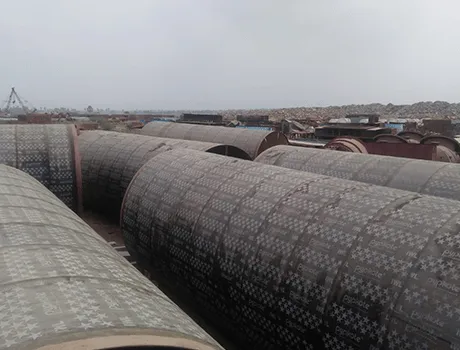

What is Pipe Coating?
Pipe coating involves applying a protective layer, such as epoxy, polyethylene, or other specialized materials, to the surface of a pipe. This coating serves as a barrier, shielding the pipe from corrosion, abrasion, and chemical damage. Depending on the application, coatings can be applied externally, internally, or both.
For advanced pipe protection solutions, explore Pypkote Pipe Wrap Tape, a trusted product for safeguarding pipelines.
1. Enhanced Corrosion Resistance
One of the most significant benefits of pipe coating is its ability to prevent corrosion. Pipelines are often exposed to moisture, chemicals, and oxygen, which can cause rust and degrade the pipe’s structural integrity. Coatings act as a protective shield, minimizing exposure to these corrosive elements.
Industrial Applications:
- Protects pipelines transporting oil, gas, and chemicals from environmental and chemical corrosion.
Residential Applications:
- Ensures water and sewage pipes remain rust-free, improving longevity and safety.
2. Improved Flow Efficiency
Internal pipe coatings reduce friction, ensuring a smoother surface that facilitates the free flow of liquids and gases. This efficiency not only reduces energy consumption but also lowers operational costs over time.
Key Advantages:
- Minimizes pressure drops.
- Reduces pumping and operational energy requirements.
- Prolongs the pipe’s operational capacity.
3. Extended Lifespan of Pipelines
Pipe coatings significantly extend the service life of pipelines by protecting them from mechanical wear, chemical degradation, and environmental stress. With a reduced need for frequent replacements or repairs, the coating provides long-term savings.
For Industrial Use:
- Ideal for pipelines exposed to abrasive materials or high temperatures.
For Residential Use:
- Protects underground pipes from soil chemicals and root intrusion.
For more information on effective pipeline protection, visit IWL India.
4. Cost-Effective Maintenance
Coated pipes require less maintenance, as they are more resistant to wear and tear. This reduces downtime and minimizes expenses associated with repairs and replacements.
Why It Matters:
- In industrial applications, downtime can result in significant financial losses.
- Residential systems benefit from fewer disruptions and lower maintenance costs.
5. Environmental Protection
Pipe coatings help prevent leaks that could contaminate soil, water, or air. By acting as a containment barrier, coatings ensure that hazardous materials stay within the pipeline, reducing environmental risks.
Industrial Benefits:
- Ensures compliance with environmental regulations.
- Protects ecosystems near industrial facilities.
Residential Benefits:
- Prevents leaks in water supply systems, ensuring safe drinking water.
6. Resistance to Extreme Conditions
Pipelines often operate in harsh conditions, such as extreme temperatures, high pressures, and chemically aggressive environments. Pipe coatings provide a robust solution to withstand these challenges without compromising performance.
Common Applications:
- Offshore oil and gas pipelines facing saltwater corrosion.
- Residential pipes are exposed to freezing temperatures or soil stress.
7. Aesthetic and Structural Integrity
Pipe coatings also enhance the appearance and structural integrity of exposed pipelines. In residential applications, coated pipes blend seamlessly with interior and exterior designs, while industrial systems benefit from improved durability and a professional look.
Types of Pipe Coatings
Several coating options are available, each tailored to specific requirements:
- Epoxy Coatings: Known for excellent corrosion and chemical resistance.
- Polyurethane Coatings: Offers abrasion resistance and flexibility.
- Coal Tar Epoxy: Ideal for pipelines submerged in water or buried underground.
- Zinc-Rich Primer: Provides galvanic protection against rust.
For comprehensive pipeline solutions, explore Pypkote, a premium product designed to safeguard your pipelines effectively.
Conclusion
Pipe coating is more than just a protective layer—it is a long-term investment in the efficiency, safety, and durability of pipelines. Whether in industrial settings transporting corrosive chemicals or residential systems delivering clean water, pipe coatings ensure optimal performance and reduced maintenance costs.
With options like Pypkote Pipe Wrap Tape and advanced solutions from IWL India, businesses and homeowners can access cutting-edge technology to protect their pipelines. Investing in pipe coating today means securing the infrastructure for tomorrow.






















Sign in to leave a comment.