

In an age where technology powers nearly every aspect of business and personal life, the threat of cyberattacks has become a constant reality. Phishing emails, ransomware, identity theft, and social engineering attacks target not only large corporations but also small businesses and individuals. While advanced technologies like firewalls, encryption, and artificial intelligence play a vital role in defense, the weakest link in cybersecurity often remains the human factor. This is why implementing a robust cyber awareness program has become one of the most effective strategies for organizations aiming to strengthen their defenses in 2025.
A cyber awareness program is not just about technical training—it’s about building a culture of vigilance, responsibility, and proactive security behavior among employees. When people understand the risks, recognize suspicious activity, and know how to respond appropriately, they become the first line of defense against attacks. This article explores the top elements every organization should include in a cyber awareness program for 2025, along with how cyber awareness training can empower teams to stay secure in a fast-changing threat landscape.
Phishing Awareness and Simulation Exercises

Phishing remains one of the most common attack vectors. Cybercriminals are constantly refining tactics to trick employees into revealing sensitive information or clicking on malicious links. A successful cyber awareness program must include phishing simulations where employees receive mock phishing emails and are tested on their responses.
By combining education with practical exercises, organizations can train employees to identify red flags such as suspicious sender addresses, urgent requests for information, or unusual attachments. Regular phishing simulations keep employees alert and help measure the effectiveness of awareness initiatives.
Password Hygiene and Multi-Factor Authentication
Weak or reused passwords continue to be a major contributor to security breaches. A modern cyber awareness program must educate employees on creating strong, unique passwords and the risks associated with poor password practices. Encouraging the use of password managers can make secure password management easier.
Additionally, employees must be trained on the importance of multi-factor authentication (MFA). Explaining how MFA adds an extra layer of protection—even if a password is compromised—helps employees appreciate its role in safeguarding organizational systems.
Safe Use of Cloud and Collaboration Tools
With hybrid and remote work models becoming the norm, employees frequently use cloud-based applications and collaboration platforms like Microsoft Teams, Slack, or Google Workspace. While these tools improve efficiency, they also introduce security risks.
A strong cyber awareness training program should cover guidelines for safe file sharing, recognizing unauthorized access attempts, and properly managing cloud storage permissions. Employees need to understand the importance of logging out of shared devices, avoiding public Wi-Fi without a VPN, and using approved applications for business tasks.
Mobile Device and Remote Work Security
Employees often access company resources through personal laptops, tablets, or smartphones. A comprehensive cyber awareness program must address mobile security practices such as installing software updates, avoiding unverified apps, and enabling device encryption.
In 2025, with remote work continuing to grow, training should also highlight the importance of securing home networks, using company-approved VPNs, and being cautious when working in public spaces. By empowering employees with knowledge, organizations can minimize risks associated with mobile and remote work environments.
Social Engineering Awareness
Cybercriminals frequently manipulate human psychology to bypass technical defenses. Social engineering attacks involve impersonation, manipulation, and deception to trick employees into revealing confidential information or granting access to systems.
Through cyber awareness training, employees must learn how to spot unusual requests, verify identities, and refuse to share sensitive data over unsecured channels. Role-playing exercises, real-life case studies, and scenario-based training can make this element of a cyber awareness program more engaging and memorable.
Data Protection and Privacy Best Practices
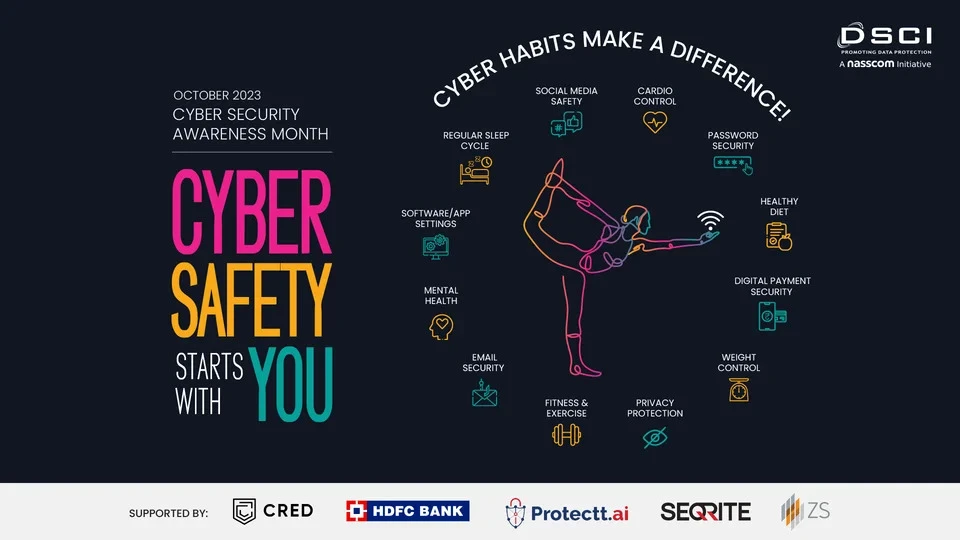
With regulations like GDPR, CCPA, and India’s Digital Personal Data Protection Act shaping how organizations handle sensitive data, compliance is no longer optional. Employees must be trained to recognize the importance of protecting customer and company data at every level.
Training should cover practices such as classifying data, handling confidential documents, securing USB drives, and understanding legal responsibilities regarding data privacy. An effective cyber awareness program ties security behavior directly to compliance, emphasizing that mishandling data can lead to financial penalties and reputational harm.
Incident Reporting and Response Protocols
Even with the best prevention strategies, incidents may still occur. Employees must know how to act quickly when they suspect a security breach. A modern cyber awareness program should clearly outline incident reporting protocols—who to contact, what details to provide, and how to contain potential damage.
Encouraging a “see something, say something” culture ensures small issues are addressed before they escalate into serious breaches. By normalizing reporting without fear of blame, organizations create a proactive security culture.
Gamification and Continuous Learning

One of the challenges organizations face with cyber awareness training is maintaining engagement. Static presentations and occasional workshops are not enough to build lasting behavioural change. In 2025, many organizations are adopting gamification—turning training into interactive experiences, quizzes, or competitions.
By rewarding participation and creating a sense of challenge, gamification makes employees more invested in learning. Additionally, continuous learning modules, micro-learning videos, and regular updates on new threats help keep cybersecurity knowledge fresh and relevant.
Leadership Involvement and Culture Building
A successful cyber awareness program requires visible commitment from leadership. When executives participate in training, reinforce security policies, and prioritize cybersecurity in decision-making, it sends a strong message throughout the organization.
Cybersecurity must become part of the organizational culture, where every employee—from interns to executives—understands their role in protecting digital assets. Leaders should model good practices, celebrate successes in training, and hold teams accountable for compliance.
Metrics and Program Evaluation
Finally, a future-ready cyber awareness program should not be static. Organizations must measure the effectiveness of their training efforts through key performance indicators (KPIs). Metrics such as phishing simulation click rates, incident reporting frequency, and employee quiz scores provide insights into progress.
Regular evaluation and refinement of the program ensure that it adapts to new threats and continues to deliver value. Organizations that actively monitor results will be better positioned to maintain a resilient workforce against cyber risks.
Conclusion
Cybersecurity is no longer solely the responsibility of IT departments—it is a shared responsibility across every level of an organization. A well-structured cyber awareness program equips employees with the knowledge and skills needed to identify threats, respond effectively, and protect sensitive data. By incorporating phishing simulations, password best practices, mobile security, social engineering awareness, and continuous learning, organizations can significantly reduce risks.
In 2025, the key to strong defenses lies in combining technology with empowered employees. Investing in comprehensive cyber awareness training not only enhances security but also fosters a culture of vigilance and accountability. For organizations seeking guidance and expertise in implementing robust awareness initiatives, the Data Security Council of India stands as a trusted partner, offering insights and frameworks that help businesses build safer digital environments.
































Sign in to leave a comment.