

For gym-goers and fitness enthusiasts, what you eat between meals can be just as important as your main meals. Regular exercise increases the body's need for adequate nutrition, and protein plays an important role in supporting muscle maintenance and recovery. Having convenient, nourishing options available can make it easier to stay consistent with healthy eating habits throughout the day.
Choosing the right snacks can help gym-goers manage hunger while complementing their overall nutrition plan. High-protein options can be especially useful around workouts or between meals, when the body needs satisfying nourishment. From nuts and seeds to roasted and wholesome snack options, there are several choices that can fit naturally into an active lifestyle.
Why Protein Matters for Gym-Goers
Protein is an essential macronutrient made up of amino acids. The body uses these amino acids for various functions, including maintaining and repairing tissues. For people who regularly participate in strength training, resistance exercises, running, or other physical activities, getting enough protein is an important part of a balanced diet.
A protein-rich snack can also help keep you feeling satisfied between meals. Instead of relying on snacks that are primarily high in refined carbohydrates or added sugars, choosing options containing protein, fiber, or healthy fats can provide more lasting satisfaction.
However, snacks should complement balanced meals rather than replace them. Individual protein requirements vary depending on factors such as age, body composition, activity level, and fitness goals.
1. Almonds for Protein and Healthy Fats
Almonds are a convenient option for active individuals because they contain plant-based protein, healthy fats, fiber, and several micronutrients. Their naturally crunchy texture also makes them an enjoyable alternative to heavily processed snack foods.
A small serving of almonds can work well between meals or as part of a pre-workout snack. Because nuts are relatively energy-dense, paying attention to portion size is useful, particularly for people monitoring their overall calorie intake.
2. Pistachios for a Satisfying Snack
Pistachios are another nutritious nut that can fit into a fitness-focused eating routine. They provide protein along with healthy fats and other nutrients.
Their combination of crunch and flavor makes them easy to enjoy on their own. Pistachios can also be combined with fruit or yogurt to create a more varied snack with additional carbohydrates and nutrients.
3. Roasted Chickpeas for Plant-Based Protein
Roasted chickpeas are a popular option for people who prefer plant-based snacks. Chickpeas naturally provide protein and fiber, while roasting gives them a satisfying crunchy texture.
They can be seasoned with mild spices for additional flavor without requiring complicated preparation. Their portability also makes roasted chickpeas useful for office workers, travelers, and gym-goers who need something convenient between meals.
4. Makhana as a Light Snacking Option
Makhana, commonly known as fox nuts, is appreciated for its light and crunchy texture. Roasted makhana can be seasoned in different ways, making it a versatile snack for people who want something flavorful without choosing traditional fried snacks.
Although makhana should not be considered a replacement for concentrated protein sources, it can be incorporated into a balanced snack routine. Combining it with nuts, seeds, or another protein-rich food can create a more complete option.
5. Seeds for Added Nutritional Variety
Seeds such as pumpkin seeds, sunflower seeds, and other edible varieties can add protein, healthy fats, fiber, and minerals to a snack routine.
They are particularly easy to incorporate into homemade snack mixes. A combination of seeds, nuts, and roasted ingredients can provide different textures and flavors while adding nutritional variety to your diet.
6. Roasted Snacks for Convenient Nutrition
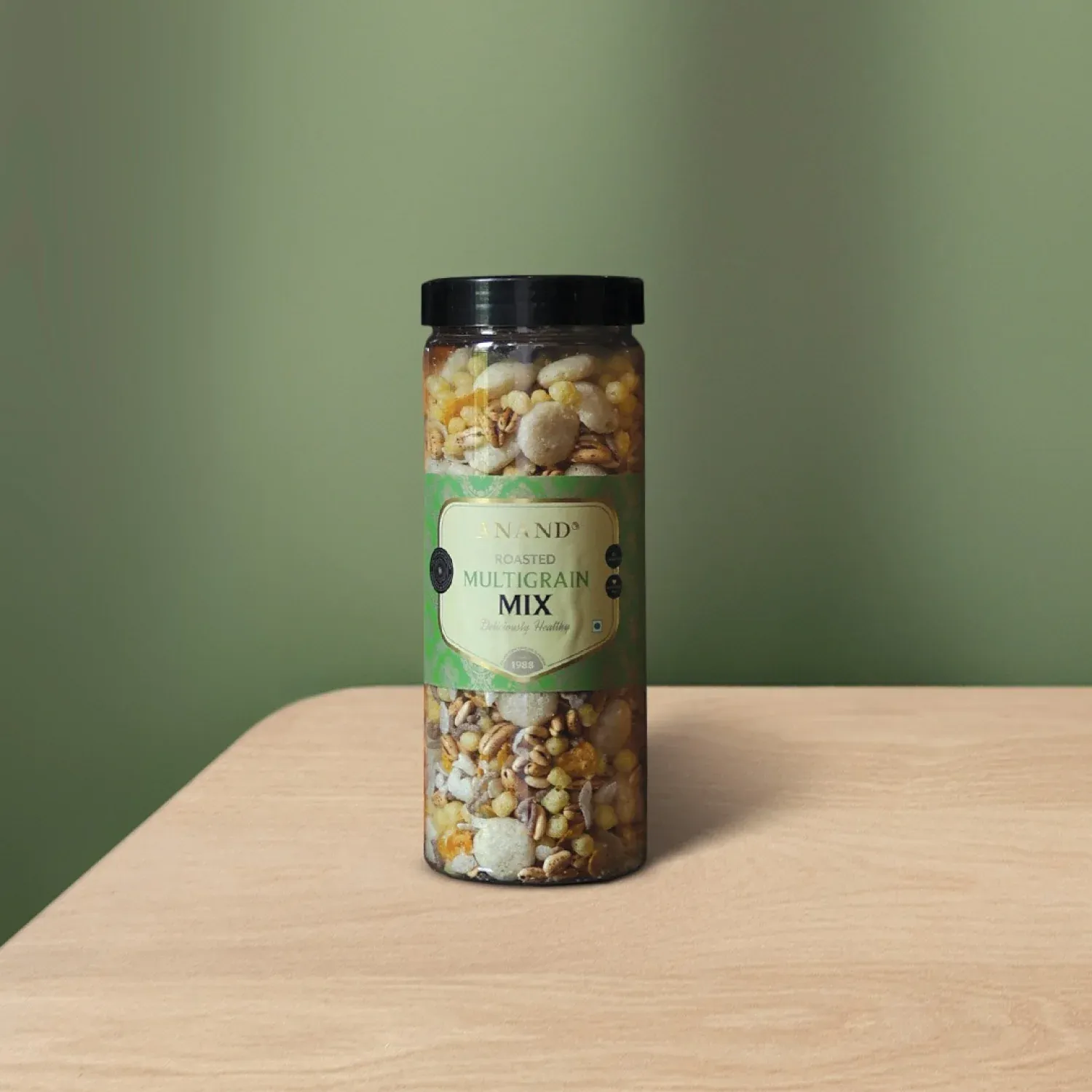
Roasted snack options can be practical for people who want a crunchy alternative to deep-fried foods. Depending on the ingredients used, roasted snacks can provide protein, fiber, and other nutrients while remaining convenient to carry.
When purchasing packaged roasted snacks, it is useful to check the nutrition label. Looking at protein content, added sugar, sodium, serving size, and ingredient lists can help you make a more informed choice.
7. Homemade Nut and Seed Mix
Creating a homemade snack mix is another simple way to increase variety. Almonds, pistachios, pumpkin seeds, sunflower seeds, roasted chickpeas, and small amounts of dried fruit can be combined according to personal preferences.
A homemade mix also gives you greater control over ingredients and portion sizes. For gym-goers who spend long hours away from home, preparing individual portions in advance can make healthy snacking more convenient.
When Should Gym-Goers Eat Protein-Rich Snacks?
The best time to have a snack depends on your workout schedule and overall meal pattern. Some people prefer a light snack before exercising, while others find a protein-containing option more useful after training.
A pre-workout snack may include carbohydrates that provide readily available energy. After exercise, combining protein with carbohydrates can be part of a balanced recovery meal or snack.
There is no single timing strategy that works for everyone. Consistency in overall nutrition, adequate hydration, sufficient sleep, and a well-planned training routine are all important parts of fitness.
What to Look for When Choosing High-Protein Snacks
Not every snack marketed as healthy is automatically a good choice. Reading the nutrition information can help you understand what you are actually consuming.
Consider these factors when choosing snacks:
- Protein content per serving
- Amount of added sugar
- Sodium levels
- Fiber content
- Portion size
- Quality of ingredients
- Personal dietary preferences
For people following vegetarian, vegan, gluten-free, or other specific diets, checking ingredient labels is particularly important.
Why Variety Matters in a Fitness Diet
Eating the same food every day can make a nutrition routine difficult to maintain. Including different types of snacks allows you to enjoy a wider range of flavors, textures, and nutrients.
Nuts, seeds, legumes, roasted foods, dairy products, fruits, and whole grains can all have a place in a balanced eating pattern. The goal is not to find one perfect snack but to build a routine that provides variety and fits your individual needs.
Conclusion
High-protein snacks can be a convenient addition to the daily routine of gym-goers. Almonds, pistachios, roasted chickpeas, makhana, seeds, and thoughtfully prepared snack mixes can provide useful nutrients while helping satisfy hunger between meals.
The most suitable choice depends on individual nutritional requirements, workout schedules, dietary preferences, and overall eating habits. Rather than focusing exclusively on protein, it is important to consider the complete nutritional profile of a snack, including fiber, healthy fats, carbohydrates, and micronutrients.
With a balanced approach to meals and mindful snack choices, fitness enthusiasts can enjoy convenient foods without compromising their broader nutrition goals. The variety of traditional and contemporary options available through Anand Sweets also reflects how familiar Indian snacking traditions can fit naturally into modern everyday lifestyles.


























Sign in to leave a comment.