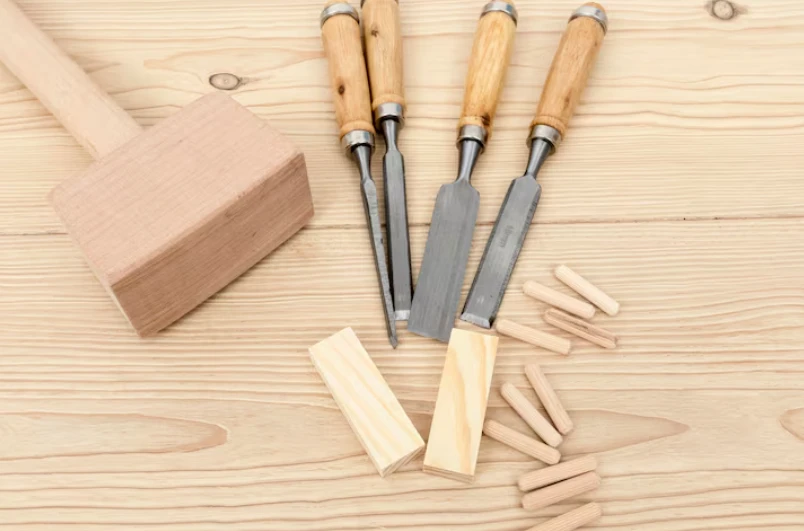

Carving wood has always been a skill rooted in patience, precision, and respect for natural materials. Today, modern craftsmanship has improved the way carving equipment is designed and manufactured. High-quality wood carving tools combine advanced materials with carefully shaped blades to provide better control and durability. For outdoor enthusiasts and bushcraft practitioners, understanding these design elements helps in selecting tools that perform reliably during carving projects.
While the basic purpose of carving tools remains the same, the materials used to produce them have evolved. Stronger steels, improved handle materials, and thoughtful blade shapes now allow carvers to work more efficiently. These improvements make carving safer, smoother, and more consistent, especially when working outdoors.
Carbon Steel: Strength and Sharpness
Carbon steel remains one of the most widely used materials for carving blades. This metal is known for its ability to achieve an extremely sharp edge and maintain that sharpness for long periods. For carvers who value precise and controlled cuts, carbon steel provides dependable performance.
One advantage of carbon steel is its responsiveness during sharpening. When the blade begins to lose its edge, it can be restored quickly using a sharpening stone. This makes it particularly useful for outdoor carving, where maintaining sharp tools is essential.
However, carbon steel requires proper care. Because it can be susceptible to moisture, regular cleaning and drying help prevent corrosion. With simple maintenance, carbon steel blades can remain reliable companions for many years.
Stainless Steel: Durability in Outdoor Conditions
Stainless steel is another common material used in carving tools. While it may not always sharpen to the same extreme edge as carbon steel, it offers strong resistance to rust and environmental wear. This feature makes stainless steel particularly useful for outdoor enthusiasts who frequently carve in changing weather conditions.
Many modern carving knives are made from stainless steel alloys that balance durability and cutting performance. These alloys allow blades to remain strong while still holding a dependable edge during repeated carving tasks.
For beginners or campers who prefer low-maintenance equipment, stainless steel blades often provide a practical and durable option.
Ergonomic Handle Materials
Blade quality is only part of a carving tool’s design. The handle is significant in providing comfort and control. Modern wood carving tools often feature handles made from hardwood, composite materials, or rubberized grips.
Hardwood handles are valued for their natural feel and balanced weight. They provide stability during carving and can last for many years when properly maintained. Composite handles, on the other hand, are designed to resist moisture and temperature changes, making them well-suited for outdoor environments.
Some tools also include textured or rubberized surfaces to improve grip. These materials reduce slipping and help maintain control when carving for extended periods.
Straight Blades for General Carving
Blade shape significantly influences how a carving tool performs. Straight blades are among the most common designs and are often used for general carving tasks. They allow the user to remove wood gradually while maintaining precise control over each cut.
Straight blades are particularly helpful when shaping flat surfaces or trimming edges. Because of their versatility, they are often the first type of blade beginners learn to use.
In outdoor carving, straight blades frequently assist with shaping utensils, smoothing branches, or preparing small camp tools.
Curved and Gouge Blades for Detailed Work
Not all carving tasks involve straight lines. Curved blades and gouges are designed to follow the natural contours of wood. These blades allow carvers to hollow out surfaces or shape rounded forms with greater accuracy.
Gouges are especially useful when crafting spoons, bowls, or decorative carvings. Their curved edges remove wood gradually while maintaining smooth interior surfaces. These designs expand the range of projects that can be completed with carving tools.
For many outdoor enthusiasts, combining straight blades with curved designs creates a versatile carving kit capable of handling a wide variety of tasks.
Thoughtful Design Improves the Carving Experience
Modern carving equipment reflects years of improvement in both materials and design. Stronger steels, durable handles, and specialized blade shapes allow carvers to work with greater confidence and precision. These features support both beginners learning the craft and experienced outdoor enthusiasts refining their skills.
Understanding how different materials and blade designs function helps users choose tools that suit their carving style and environment. With well-designed wood carving tools, carving becomes more than a simple task. It becomes a rewarding craft that blends creativity, patience, and practical skill in the outdoors.
































Sign in to leave a comment.