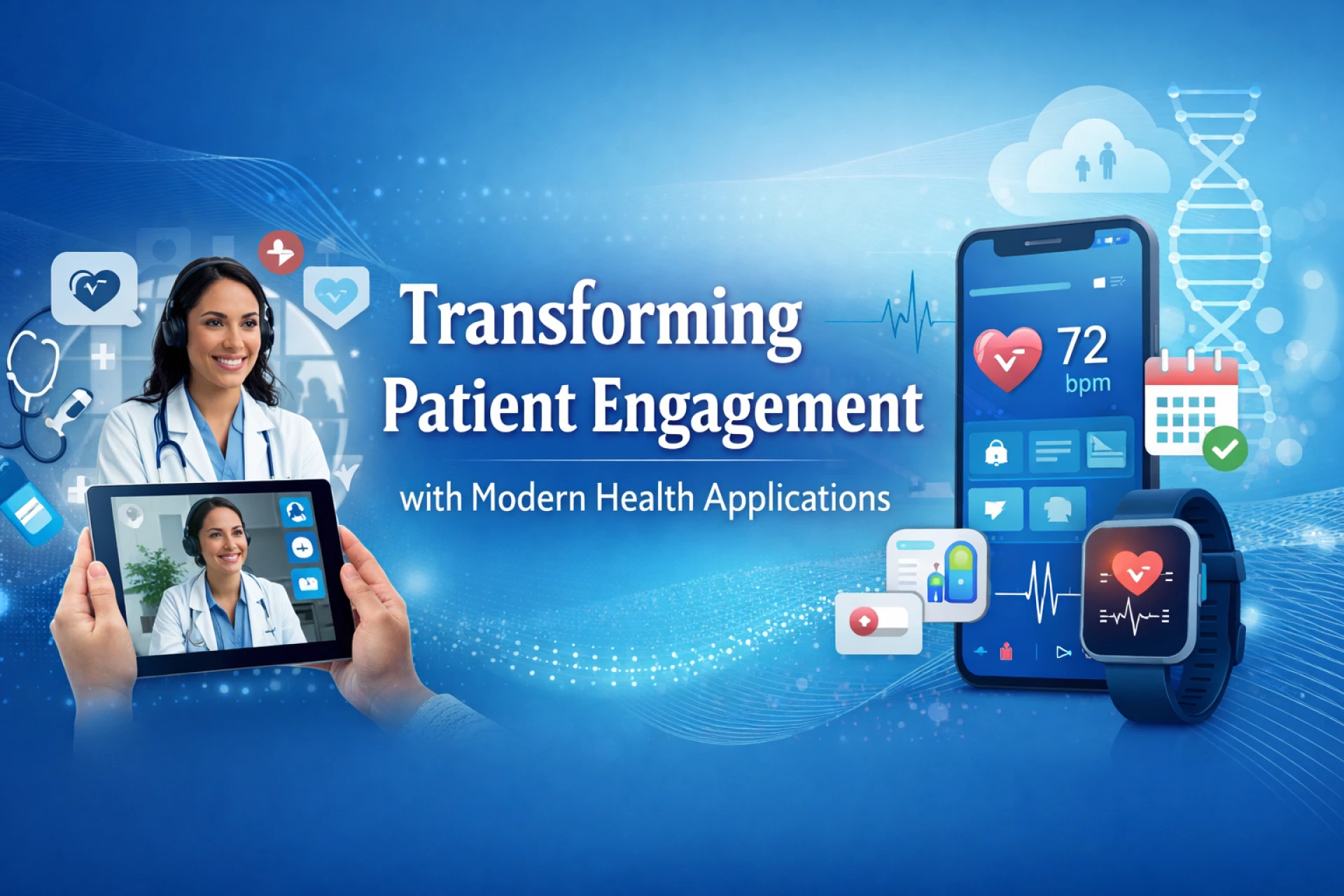

Patient engagement has evolved into a strategic imperative as healthcare organizations pivot toward more connected, personalised, and outcome-driven care models. Traditional systems—rooted in episodic visits and fragmented communication—no longer meet the expectations of today’s tech-empowered patients. Modern health applications have stepped into this gap, reshaping how individuals interact with providers, manage their health, and participate in care decisions.
These digital solutions are not merely tools; they are catalysts for a more proactive, data-rich, and collaborative healthcare ecosystem.
The Shift Toward Patient-Centric Digital Healthcare
Healthcare has historically been provider-driven, but the emerging paradigm places patients at the core. The rise of mobile health (mHealth) solutions, connected devices, secure patient portals, and AI-powered decision support is redefining engagement. This shift is underpinned by rising consumer expectations, the demand for transparency, and the need for continuous care beyond hospital walls.
Providers adopting these technologies are building stronger patient relationships, improving operational productivity, and enhancing treatment adherence—all while creating measurable clinical impact.
Why Modern Health Applications Are Redefining Engagement
Modern health applications introduce a seamless digital layer across the entire patient journey—from symptom assessment to post-treatment monitoring. They empower users with features that deliver clarity, convenience, and control.
Key Engagement Drivers
- On-demand access to medical information: Patients manage health data, lab results, prescriptions, and care plans with unprecedented ease.
- 24/7 communication touchpoints: Secure chat, teleconsultations, and automated responses accelerate patient-provider interaction.
- Real-time health insights: Wearables and IoT-driven monitoring tools offer continuous data feedback to enhance prevention and early intervention.
- Automated reminders and adherence tools: Push notifications keep patients aligned with medication schedules, appointments, and wellness goals.
The modern patient expects a digital-first experience, and health applications serve as the foundation for this expectation.
Core Features Powering Patient Engagement
To drive meaningful engagement, health applications today incorporate a blend of clinical intelligence, personalization, and intuitive user experience.
Below are the features shaping next-generation patient engagement solutions:
1. Personalized Health Dashboards
Patients receive tailored insights based on their conditions, behaviors, and treatment progress, enabling them to make informed decisions about their care.
2. Integrated Telemedicine Services
Virtual consultations are no longer optional—they are a cornerstone of accessible care. Telemedicine integrations reduce wait times, extend specialist reach, and improve follow-up compliance.
3. Remote Patient Monitoring (RPM)
Connected devices transmit real-time vitals to clinicians, enhancing chronic care management and reducing hospital readmissions.
4. Medication and Treatment Adherence Tools
Digitally guided routines, smart reminders, dosage tracking, and refill notifications strengthen adherence, especially for long-term treatment plans.
5. Secure Electronic Health Record (EHR) Access
Patients can review their medical history, test results, and imaging instantly—strengthening transparency and trust.
6. AI-Driven Symptom Checkers
Machine learning algorithms guide patients through symptom evaluation, triaging urgency, and supporting early detection.
How Digital Health Applications Improve Outcomes for Providers
Modern engagement platforms deliver far-reaching advantages for healthcare organizations and clinicians:
Enhanced Operational Efficiency
Automated scheduling, digital triage, and structured data capture significantly reduce administrative burden, enabling clinicians to focus on high-value care.
Better Clinical Decision-Making
Real-time patient data, analytics dashboards, and AI-based alerts strengthen diagnosis accuracy and accelerate care interventions.
Higher Patient Satisfaction Scores
Convenience, transparency, and continuous connectivity result in more positive patient experiences.
Cost Reduction Through Preventive Care
Early detection and continuous monitoring minimise emergency visits and unnecessary hospitalisations.
In this evolving landscape, even digital transformation partners—such as a software development company in UAE that specialises in healthcare solutions—play a pivotal role in engineering scalable platforms that enhance engagement at every touchpoint.
Patient Engagement and Behavior Change: A Data-Driven Perspective
Modern applications are built to influence healthier behaviors through:
- Gamification – goal tracking, rewards, and milestones foster motivation
- Predictive insights – machine learning identifies risk trends and nudges patients appropriately
- Social support communities – guided forums and peer groups improve emotional wellness
These behavioral enablers are grounded in evidence-based frameworks that improve chronic care outcomes, preventive behavior, and overall health literacy.
Emerging Technologies Powering the Future of Patient Engagement
The next wave of patient engagement will be driven by the convergence of advanced technologies:
1. Artificial Intelligence
AI personalizes recommendations, enhances triage systems, and assists clinicians with predictive analytics.
2. Internet of Medical Things (IoMT)
Smart medical devices create continuous data streams for monitoring and proactive care.
3. Natural Language Processing (NLP)
Voice-driven health assistants help patients log symptoms, request information, or book appointments effortlessly.
4. Automation & Digital Workflow Engines
Automated workflows ensure smooth coordination across care teams and patient touchpoints.
The integration of these technologies elevates digital health platforms beyond transactional tools to sophisticated engagement ecosystems.
Security and Compliance: A Non-Negotiable Priority
With patient data at the core, modern health applications are built with robust security and regulatory adherence:
- GDPR and HIPAA-compliant architecture
- Advanced encryption and tokenization
- Secure authentication protocols
- Role-based access controls
- Audit trails and activity logs
Rigorous compliance not only protects patient data but also strengthens institutional credibility.
The Road Ahead: Patient Engagement as a Strategic Asset
As healthcare shifts from reactive treatment to preventive and personalized care, digital engagement platforms will anchor future clinical delivery models. Providers that invest in modern health applications gain long-term strategic advantage—from improved patient loyalty to operational excellence and sustainable growth.
Technology will continue to evolve, but the mission remains constant: enhance lives by empowering patients with better tools, clearer insights, and stronger connections to care.
FAQs
1. How do modern health applications improve patient engagement?
They enable patients to interact with their healthcare providers digitally, offering access to records, telemedicine, reminders, monitoring, and personalized information that fosters continuous involvement in their health journey.
2. What types of features should a patient engagement app include?
Effective applications typically offer telehealth, AI symptom checking, RPM connectivity, secure EHR access, medication reminders, and educational resources customized to patient conditions.
3. How do digital health tools benefit healthcare organizations?
They enhance workflow efficiency, reduce administrative load, improve clinical decision-making, and strengthen patient satisfaction—all contributing to better overall outcomes.
4. Are health applications secure for storing medical information?
Yes. Modern platforms employ advanced security standards including encryption, secure authentication, and compliance with healthcare regulations to safeguard patient data.
5. How do remote monitoring tools enhance patient care?
RPM devices track real-time vitals, enabling proactive interventions, reducing hospitalization risk, and improving chronic disease management.
6. What role will AI play in the future of patient engagement?
AI will enhance personalization, automate complex administrative tasks, predict health risks, and deliver intelligent, context-aware support for patients and providers.



























Sign in to leave a comment.