

Acromegaly is a rare hormonal disorder caused primarily by the overproduction of growth hormone (GH) from the pituitary gland, often due to a benign tumor known as an adenoma. This condition leads to an increase in size and growth of bones and tissues, affecting various parts of the body. The symptoms, which can include enlarged hands and feet, facial changes, joint pain, and other systemic issues, can significantly impact the quality of life for those affected. Understanding the treatment options available for acromegaly is crucial for managing the disorder and alleviating its symptoms.
Understanding Acromegaly
Before diving into the treatment options, it is essential to comprehend what acromegaly entails. The condition typically develops slowly, and its symptoms may not be immediately noticeable, often leading to delayed diagnosis. As the body continues to produce excess growth hormone, patients may experience a range of complications, including cardiovascular problems, diabetes, and joint disorders. The emotional and psychological toll of living with this condition can also be profound, as patients may struggle with self-image and social interactions.
For effective management, a thorough diagnosis is crucial. This generally involves blood tests to measure levels of growth hormone and insulin-like growth factor 1 (IGF-1), along with imaging studies such as MRI scans to identify the presence of any pituitary tumors. Once diagnosed, patients can explore various treatment options tailored to their individual needs.
Surgical Intervention
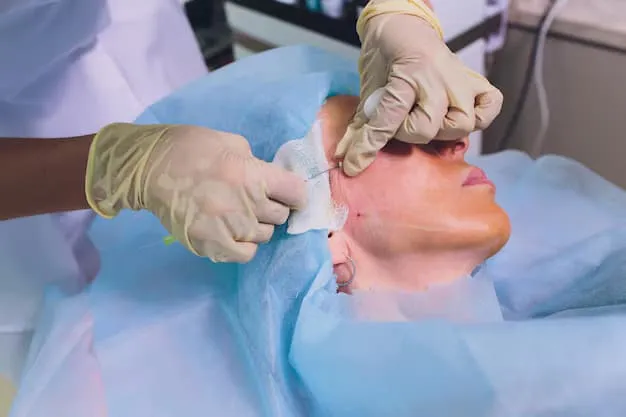
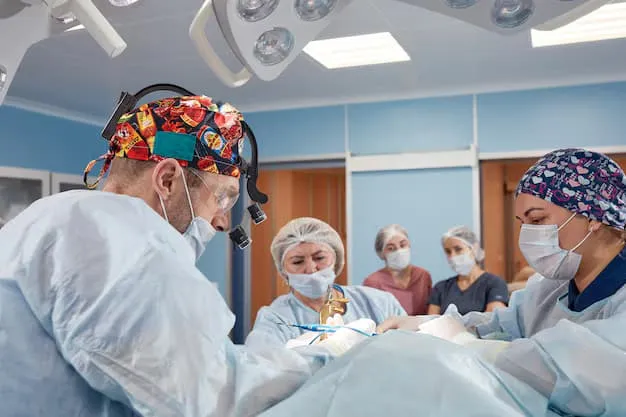
One of the primary treatment options for acromegaly is surgical intervention, particularly when a pituitary adenoma is identified as the cause of excess growth hormone production. The goal of surgery is to remove the tumor, thereby reducing hormone levels and alleviating symptoms. Transsphenoidal surgery, a minimally invasive approach, is often used. During this procedure, a surgeon accesses the pituitary gland through the nasal cavity, allowing for precise removal of the tumor while minimizing damage to surrounding tissues.
The success of surgical treatment can vary based on factors such as the size of the tumor and its location. In many cases, patients experience a significant reduction in growth hormone levels post-surgery, leading to an improvement in symptoms. However, it’s important to note that not all patients will achieve complete remission, and some may require additional treatments to control hormone levels effectively.
Medical Therapy
In addition to surgical options, medical therapy plays a crucial role in the management of acromegaly. Several medications are available that can help control growth hormone production and mitigate the symptoms associated with the disorder. The most commonly used medical treatments include somatostatin analogs, growth hormone receptor antagonists, and dopamine agonists.
Somatostatin analogs, such as octreotide and lanreotide, work by mimicking the natural hormone somatostatin, which inhibits the release of growth hormone. These medications can significantly reduce GH levels and improve symptoms in many patients. Growth hormone receptor antagonists, like pegvisomant, block the action of growth hormone at the cellular level, providing an alternative approach for those who may not respond to somatostatin analogs.
Dopamine agonists, although less commonly used, can be effective in certain cases, particularly when the adenoma is responsive to this type of treatment. Each of these medication options has its own benefits and potential side effects, and the choice of therapy should be guided by the patient's specific circumstances and preferences.
Radiation Therapy
For patients who do not achieve satisfactory results from surgery or medical therapy, radiation therapy may be considered as a viable option. This treatment is typically reserved for cases where the tumor remains after surgical intervention or when patients experience persistent symptoms despite other treatments.
Radiation therapy works by targeting and damaging the cells of the tumor, ultimately reducing growth hormone production. There are different types of radiation therapy, including conventional external beam radiation and stereotactic radiosurgery, which delivers a focused dose of radiation to the tumor while sparing surrounding healthy tissue.
While radiation therapy can be effective, it often requires a longer time to see results compared to surgical or medical treatments. Additionally, there can be long-term side effects associated with radiation, including potential damage to surrounding pituitary tissue, leading to hormone deficiencies.
Lifestyle and Supportive Measures
Beyond medical and surgical treatments, lifestyle modifications and supportive measures can greatly enhance the management of acromegaly. Patients are encouraged to adopt a balanced diet, engage in regular physical activity, and maintain a healthy weight to mitigate some of the complications associated with the disorder.
Regular follow-up with healthcare providers is crucial to monitor hormone levels and assess the effectiveness of treatments. Psychological support and counseling can also be beneficial, as acromegaly can significantly impact mental health and self-esteem. Connecting with support groups or therapy can provide patients with valuable resources and emotional support.
Conclusion
In conclusion, the treatment options for acromegaly are diverse and tailored to each patient’s unique needs. From surgical intervention to medical therapies and lifestyle changes, a comprehensive approach is essential for effective management of this complex condition. Patients should engage in open discussions with their healthcare providers to determine the best course of action. For those seeking expert guidance on acromegaly treatment, consulting with professionals like Robert Louis MD can provide valuable insights and support on the journey toward better health. < acromegaly treatment
































Sign in to leave a comment.