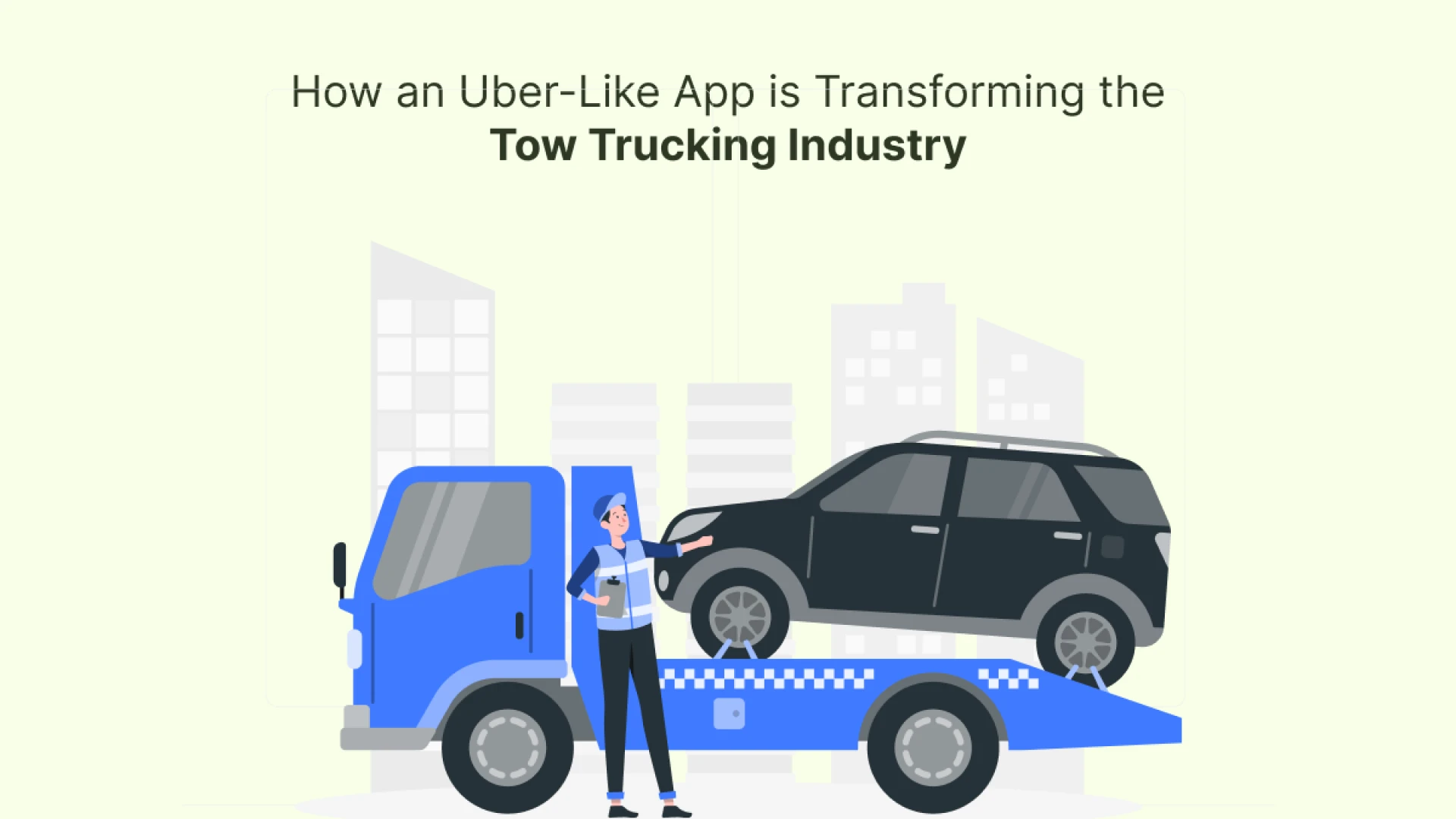

The tow trucking industry has long been associated with cumbersome processes, unpredictable wait times, and limited transparency. However, recent technological advancements, particularly the rise of Uber-like apps for tow trucking, are revolutionizing how the industry operates. These apps provide a seamless connection between customers and tow truck drivers, offering convenience, efficiency, and improved service quality. Let’s explore how these innovative solutions are reshaping the tow trucking landscape.
Simplifying Access to Towing Services
Gone are the days when stranded motorists had to frantically search for a tow truck service or rely on outdated directories. An Uber-like app for tow trucking enables users to request assistance with just a few taps on their smartphones. By using GPS technology, the app instantly identifies the user’s location and matches them with the nearest available tow truck. This eliminates the hassle of explaining directions and ensures help arrives promptly.
These apps also come equipped with user-friendly interfaces, making it easy for even non-tech-savvy individuals to navigate. The intuitive design ensures that users can quickly input their requirements, select the type of assistance needed, and confirm their request without confusion. This simplicity enhances accessibility, ensuring that more people can benefit from reliable towing services.
Enhancing Transparency and Trust
One of the most significant advantages of Uber-like apps for tow trucking is the transparency they provide. Users can view the estimated arrival time of the tow truck, track its real-time location, and receive upfront pricing. This level of transparency fosters trust, as customers no longer need to worry about unexpected fees or prolonged wait times. Additionally, most apps include driver profiles and customer reviews, allowing users to make informed decisions based on previous experiences.
For instance, driver profiles often include certifications, experience levels, and customer ratings. This information not only reassures users but also motivates drivers to maintain high service standards. Reviews and ratings encourage healthy competition among service providers, ultimately improving the quality of service across the board.
Streamlining Operations for Tow Truck Companies
For tow truck operators, an Uber-like app for tow trucking streamlines operations by automating dispatching and route optimization. Instead of relying on manual processes, companies can use the app’s features to assign jobs efficiently, reducing idle time and maximizing productivity. Furthermore, detailed analytics provided by these apps help businesses track performance metrics, identify trends, and make data-driven decisions.
Features such as automated billing, inventory management, and real-time notifications further simplify operational workflows. This automation allows companies to allocate their resources more effectively, focus on customer service, and expand their operations without being bogged down by administrative tasks.
Improved Customer Experience
Customer satisfaction is paramount in the tow trucking industry, and these apps significantly enhance the overall experience. Users appreciate the convenience of 24/7 accessibility, quick response times, and transparent pricing. Moreover, integrated payment gateways make transactions seamless, eliminating the need for cash payments or invoicing. By prioritizing user-friendly features, Uber-like apps for tow trucking ensure a hassle-free experience for customers in distress.
Additionally, some apps incorporate features such as multi-language support and customizable service preferences. These options cater to a diverse customer base, ensuring inclusivity and personalized assistance. For frequent users, loyalty programs and discounts add an extra layer of value, fostering long-term customer relationships.
Reducing Environmental Impact
Efficient route planning and real-time tracking not only save time but also reduce fuel consumption, leading to a smaller carbon footprint. By minimizing unnecessary travel, these apps contribute to environmentally sustainable practices within the tow trucking industry. As more companies adopt this technology, the cumulative impact on the environment could be significant.
For example, by optimizing routes based on traffic patterns and weather conditions, these apps ensure that tow trucks operate at maximum efficiency. This not only reduces operational costs for businesses but also supports global efforts to combat climate change.
Integration of Advanced Features
Modern Uber-like apps for tow trucking are equipped with advanced features that cater to diverse customer needs. For instance, users can specify the type of assistance they require, such as flat tire repair, jump-starts, or vehicle towing. Some apps even allow users to schedule services in advance, providing flexibility for non-urgent requests. Additionally, integration with insurance providers enables hassle-free claim processing, further enhancing the user experience.
Other advanced features include AI-driven predictive analytics, which anticipate high-demand periods and allocate resources accordingly. Voice-activated commands and chatbot support also streamline the user experience, ensuring that help is just a word away. These innovations set new benchmarks for convenience and efficiency in the industry.
Expanding Market Reach
By adopting an Uber-like app for tow trucking, businesses can reach a broader audience. Traditional tow trucking services often rely on local word-of-mouth or limited advertising. In contrast, these apps leverage digital marketing and app store visibility to attract customers from diverse geographic locations. This expanded reach helps businesses grow their customer base and increase revenue.
Additionally, social media integration allows companies to engage directly with customers, share updates, and gather feedback. This interactive approach builds brand loyalty and establishes a strong online presence, which is crucial in today’s digital age.
Fostering Competitive Advantage
The tow trucking industry is highly competitive, and an Uber-like app for tow trucking can serve as a powerful differentiator. Companies that embrace this technology position themselves as modern, customer-centric service providers. This not only enhances their brand reputation but also helps them stay ahead of competitors who rely on outdated methods.
By continuously updating their apps with new features and maintaining high service standards, businesses can secure a loyal customer base. Collaboration with technology providers and industry experts further ensures that these companies remain at the forefront of innovation.
The Future of Tow Trucking
As technology continues to evolve, the potential for innovation in the tow trucking industry is boundless. Features such as AI-driven predictive maintenance, blockchain-based transaction security, and augmented reality for roadside assistance are just some of the possibilities on the horizon. The adoption of Uber-like apps for tow trucking is merely the beginning of a broader digital transformation.
Conclusion
In conclusion, on demand app development services have played a pivotal role in driving innovation within the tow trucking industry. By offering convenience, transparency, and efficiency, Uber-like apps for tow trucking are setting new standards for service delivery. As more companies embrace this technology, the industry is poised for continued growth and improvement, benefiting both businesses and customers alike.


























Sign in to leave a comment.