
In the fast-paced digital landscape of today, where information is fleeting and attention spans are shrinking, the design of user interfaces (UI) and user experiences (UX) plays a pivotal role in creating lasting impressions. One design trend that has gained significant traction in recent years is ephemeral design — a concept that aligns perfectly with the transient nature of content consumption in the digital age. In this blog post, we will explore the intersection of UI/UX and ephemeral design, delving into how they can be harnessed to craft unforgettable and impactful experiences for users.
The Rise of Ephemeral Content
Ephemeral content refers to digital content that is only accessible for a short period before disappearing. Platforms like Snapchat and Instagram Stories have popularized this concept, allowing users to share moments that vanish after 24 hours. This trend has changed the way people consume and engage with content, prompting designers to rethink traditional approaches.
The Role of UI/UX in Ephemeral Design
UI and UX are not just about aesthetics; they are about enhancing functionality and ensuring a seamless, enjoyable experience for users. In the realm of ephemeral design, UI/UX principles are critical in capturing and maintaining user attention during the brief lifespan of the content.
1. Intuitive Navigation
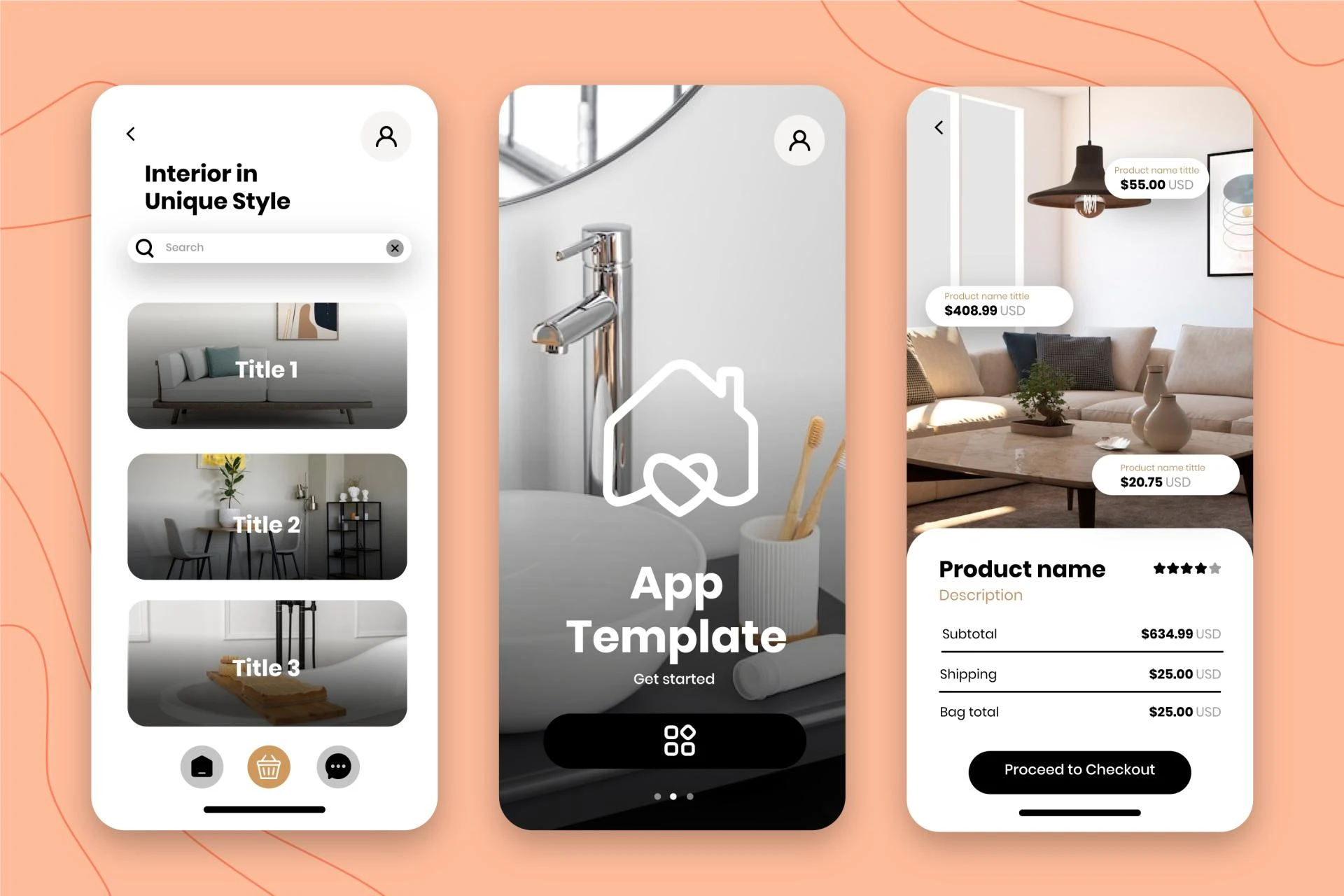
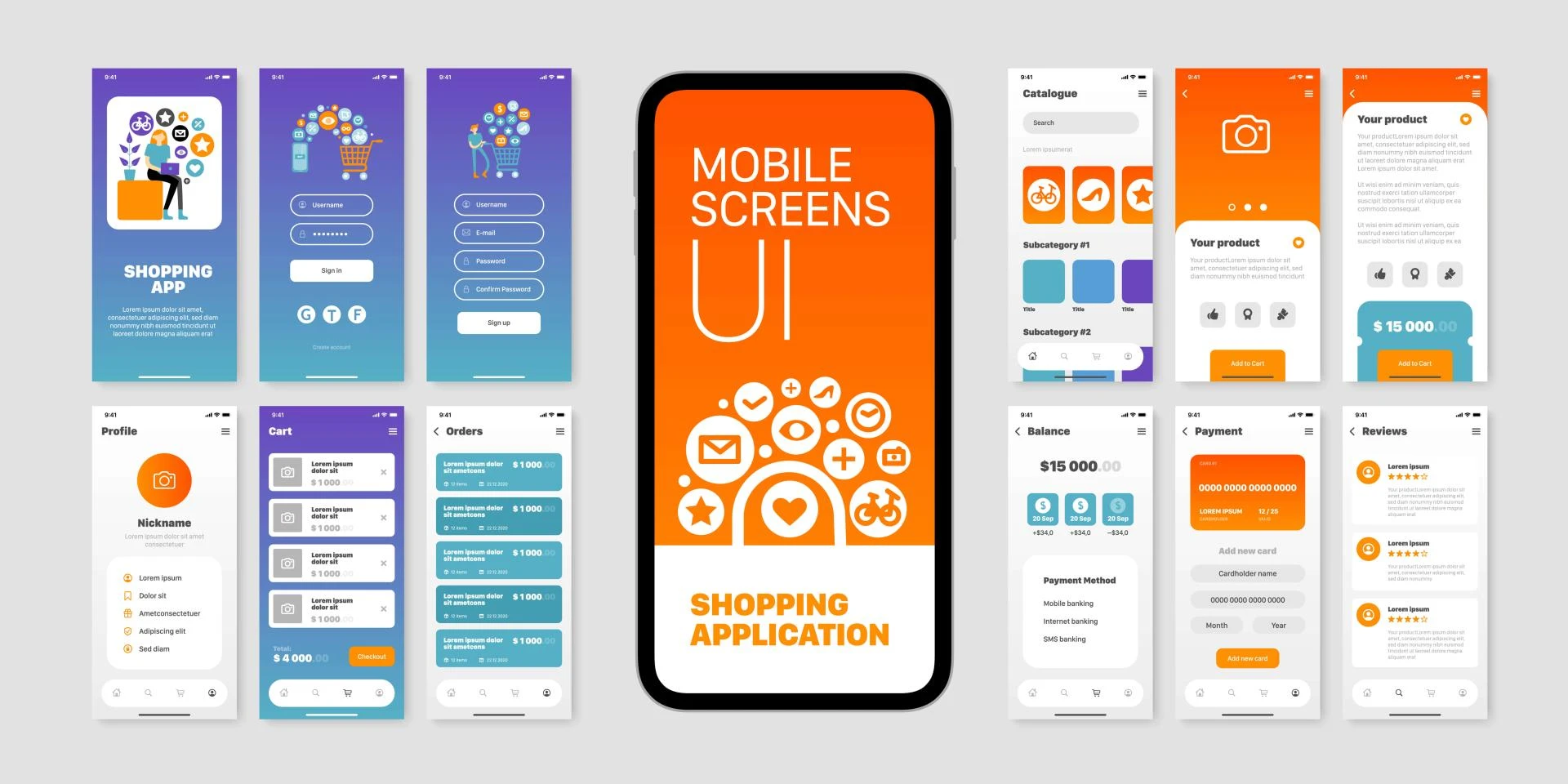
Ephemeral design demands intuitive navigation. Users should effortlessly understand how to interact with the content, whether it’s swiping through stories or tapping to reveal more details. A well-designed UI guides users through the ephemeral experience, making it easy and enjoyable.
2. Visual Appeal
With the ephemeral nature of content, visual appeal takes center stage. Striking visuals and engaging graphics can make a lasting impression within a short timeframe. Thoughtful use of color, typography, and imagery contributes to a visually pleasing experience that resonates with users.
3. Seamless Interactivity
Ephemeral content often invites user participation. UI/UX should facilitate seamless interactivity, allowing users to engage with the content effortlessly. Whether it’s responding to a story or swiping to explore more, the design should encourage and enhance user interaction.
Crafting Memorable Experiences
In the age of disappearing content, creating memorable experiences requires a thoughtful blend of UI/UX and ephemeral design principles.
1. Storytelling through Design
Ephemeral design is an opportunity to tell stories in a concise and impactful manner. UI elements should be strategically placed to guide users through a narrative, creating a sense of anticipation and engagement.
2. Personalization for Connection
Tailoring ephemeral content to user preferences fosters a sense of connection. UI/UX should incorporate personalization features, ensuring that each user’s experience is unique and resonates with their interests.
3. Balancing Simplicity and Creativity
The beauty of ephemeral design lies in its simplicity and creativity. Striking the right balance is crucial. UI/UX should be intuitive and straightforward, allowing users to effortlessly navigate, while also providing creative elements that surprise and delight.
Conclusion
As we navigate the age of disappearing content, the fusion of UI/UX and ephemeral design emerges as a powerful tool for crafting memorable digital experiences. Designers who embrace this synergy can captivate audiences, leaving a lasting imprint in the fleeting moments of digital interaction. In this dynamic landscape, where attention is a precious commodity, mastering the art of ephemeral design is the key to creating experiences that linger in the minds of users long after the content has vanished.
Visit my Upwork profile for — UI/UX design, Mobile Design & Product Designer
Project Catalog for — Mobile App UI UX Design, iOS or Android Mobile APP UX/UI Design & Modern Crypto Design


























Sign in to leave a comment.