
In today's crowded digital landscape, having a landing page that catches a visitor's eye and keeps them engaged is crucial for any business offering services online. A well-designed landing page not only makes a strong first impression but can also significantly impact conversion rates and ultimately drive more sales. By incorporating strategic UI/UX (User Interface/User Experience) design elements, you can create a landing page that stands out from the competition and effectively showcases your services. In this article, we'll explore some key UI/UX design principles and elements that can elevate your landing page and make your service offerings truly shine.
1. Clear and Compelling Headline
The headline is often the first thing a visitor notices on your landing page, so it needs to be attention-grabbing and communicate the core value proposition of your services. Use concise, benefit-driven language that speaks directly to your target audience's pain points or desires. A well-crafted headline can pique curiosity and motivate visitors to continue exploring your page.
2. Intuitive Navigation
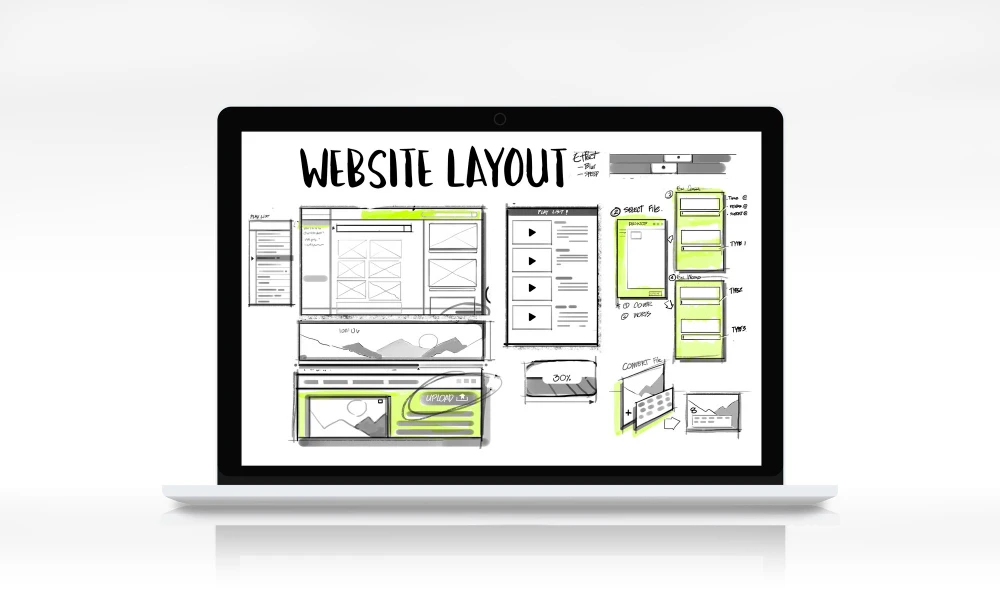
A landing page's navigation should be straightforward and user-friendly, allowing visitors to easily find the information they need about your services. Consider implementing a clean, minimal navigation menu or using visual cues like contrasting colors or shapes to highlight key sections or calls-to-action (CTAs). Ensure that important information is readily accessible within a few clicks or scrolls.
3. Visually Appealing Design
Aesthetically pleasing design elements can significantly enhance the overall user experience on your landing page. Incorporate high-quality visuals, such as professional photographs or graphics, that accurately represent your services and resonate with your target audience. Use a cohesive color scheme and typography that aligns with your brand identity while maintaining legibility and accessibility.
4. Engaging Content Presentation
Present your service offerings in a way that captivates and informs your visitors. Break up lengthy text with engaging visual elements like icons, illustrations, or infographics, which can help simplify complex concepts and make your content more digestible. Consider incorporating interactive elements, such as accordions or sliders, to provide more detailed information without overwhelming the user.
5. Strategic Use of White Space
White space, or negative space, is an often overlooked but crucial element in UI/UX design. Proper use of white space can improve readability, create a sense of hierarchy, and guide the user's eye to the most important elements on your landing page. Avoid cluttering the page with too many elements, as this can lead to a chaotic and overwhelming experience.
6. Social Proof and Testimonials
Potential customers are often more likely to trust the experiences and opinions of others when considering a service. Incorporate social proof elements, such as customer testimonials, case studies, or industry recognition, to build credibility and reinforce the value of your services. These elements can be presented as text, video, or a combination of both, depending on what resonates best with your target audience.
7. Clear and Compelling Calls-to-Action (CTAs)
Your landing page should have clear and compelling calls-to-action that guide visitors toward taking the desired action, whether it's scheduling a consultation, requesting a quote, or making a purchase. Use contrasting colors, strategic placement, and action-oriented language to make your CTAs stand out. Additionally, consider implementing persuasive techniques, such as creating a sense of urgency or offering incentives, to encourage visitors to take action.
8. Responsive and Mobile-Friendly Design
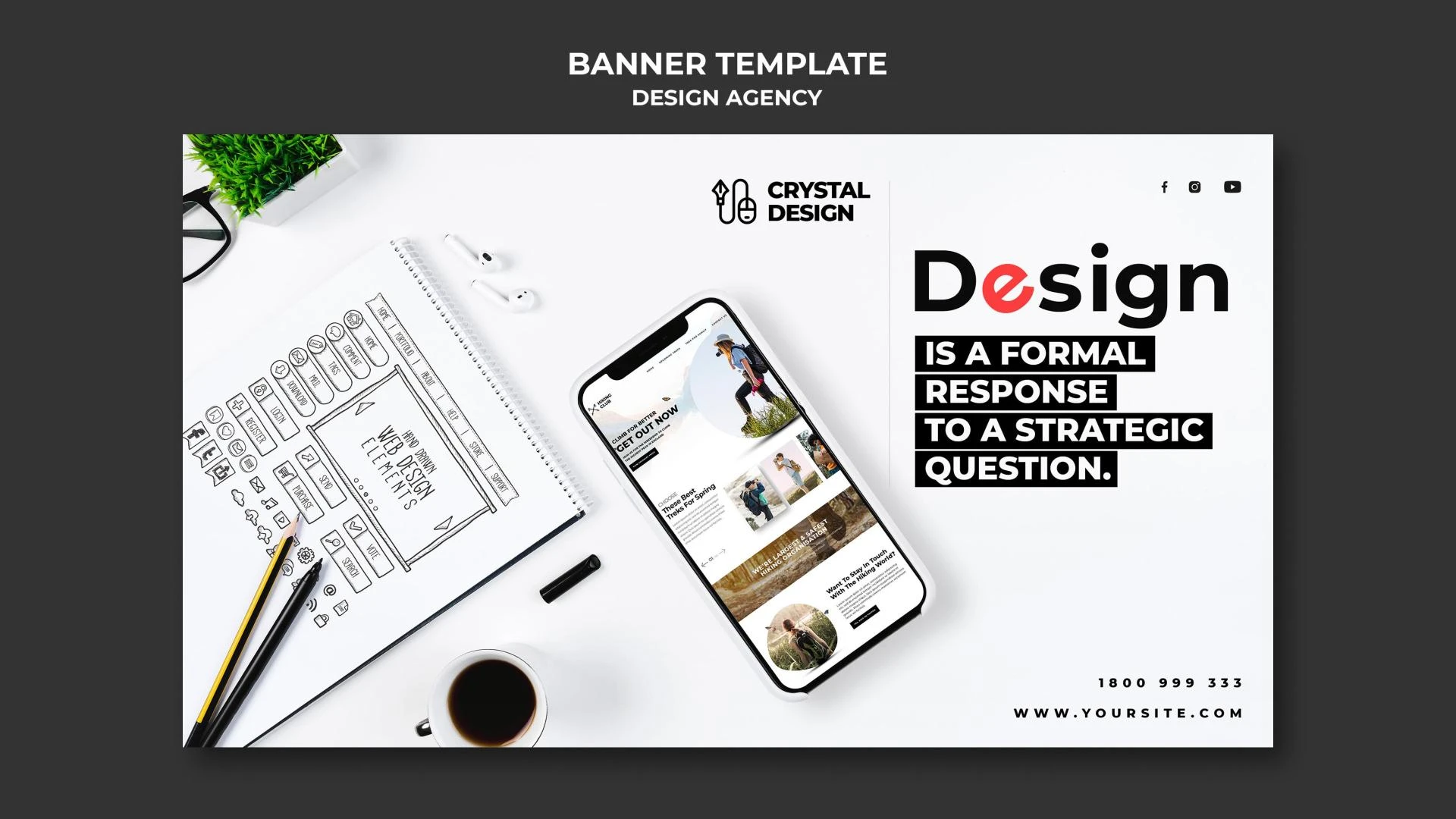
With an increasing number of users accessing websites from mobile devices, it's essential to ensure that your landing page is optimized for various screen sizes and resolutions. Implement responsive design principles that automatically adjust the layout and content for optimal viewing on different devices. Pay special attention to touch-friendly elements, such as larger buttons and simplified navigation, to enhance the mobile experience.
9. Effective Use of Animation and Micro-interactions
Subtle animations and micro-interactions can add a touch of delight and engage users in a meaningful way. For example, you can use hover effects, scroll-based animations, or loading indicators to provide feedback and guidance to users as they interact with your landing page. However, it's important to strike a balance and use these elements judiciously, as excessive or unnecessary animations can be distracting and negatively impact the user experience.
10. Continuous Testing and Optimization
UI/UX design is an iterative process, and it's crucial to continuously test and optimize your landing page based on user feedback and data-driven insights. Conduct A/B testing to compare different design variations and identify which elements resonate best with your target audience. Analyze user behavior data, such as click-through rates, scroll depth, and conversion rates, to identify areas for improvement and make informed design decisions.
Conclusion
By incorporating these UI/UX design elements on your landing page, you can create a compelling and engaging experience that effectively showcases your services and encourages visitors to take the desired action. Remember, the goal is to provide a seamless and enjoyable user experience that not only captures attention but also builds trust and credibility for your brand. Stay open to feedback, continuously refine your design, and always prioritize the needs and preferences of your target audience.
My Fiver link for : Figma Landing Page Design Service
























Sign in to leave a comment.