

In the ever-evolving digital landscape, the importance of a seamless and user-friendly interface cannot be overstated. UI/UX design plays a pivotal role in shaping the way users interact with digital products, and while it may not be rocket science, it certainly shares some similarities. In this blog post, we'll explore the intricate world of UI/UX design, demystifying its complexities and highlighting its critical role in creating an exceptional user experience.
The Art and Science of UI/UX Design
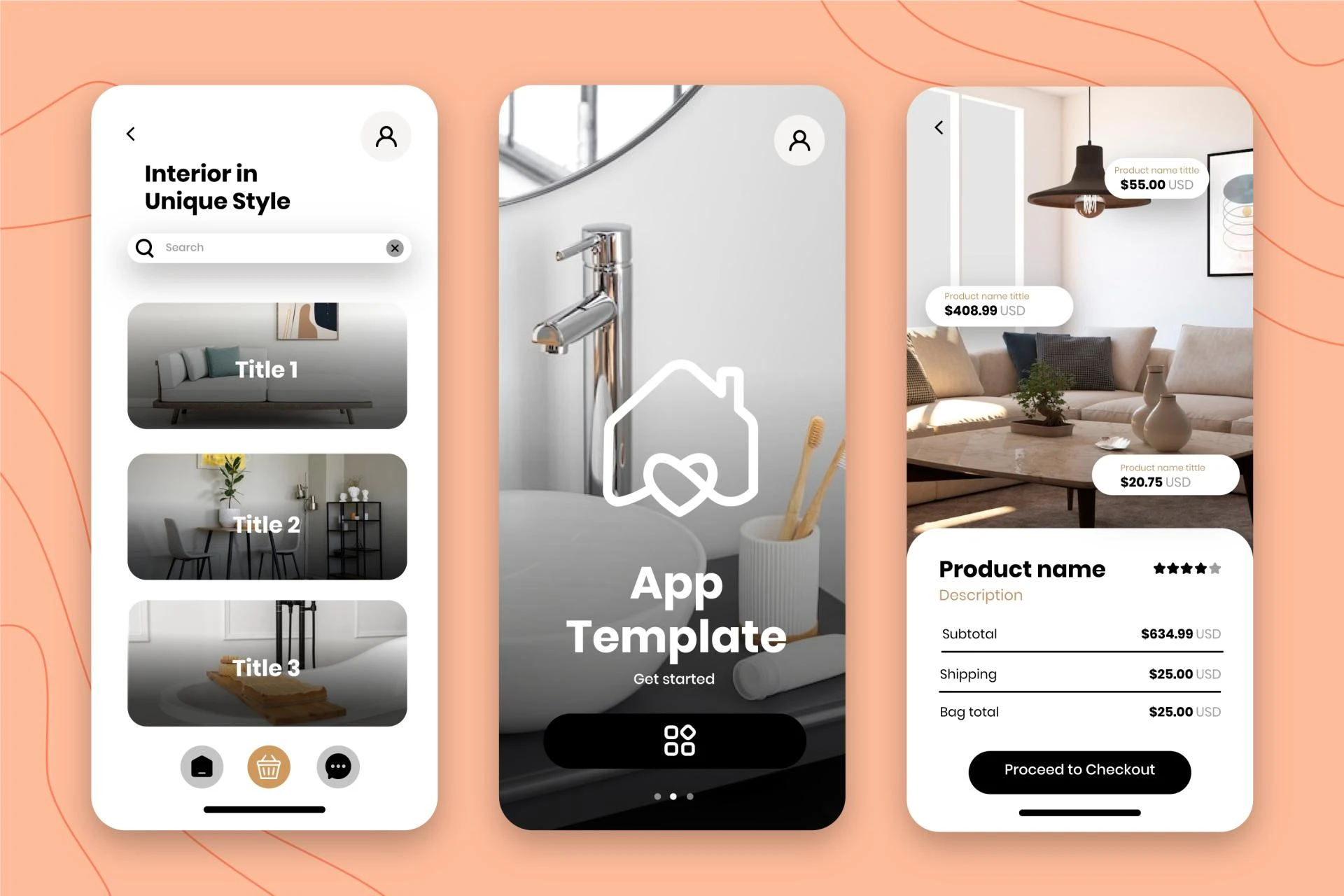
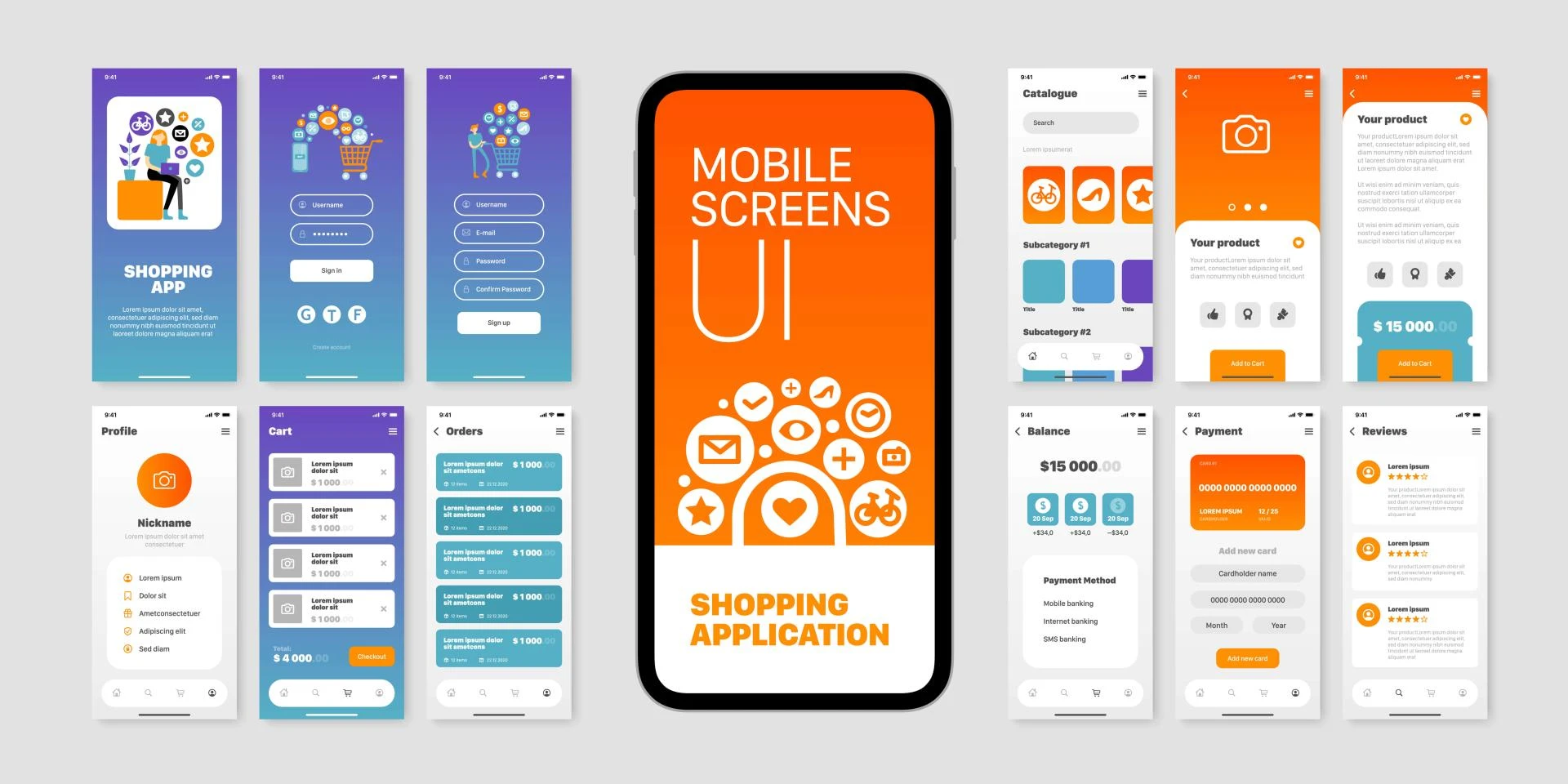
User Interface (UI) and User Experience (UX) design are often used interchangeably, but they represent distinct facets of the design process. UI focuses on the visual elements, encompassing everything a user interacts with, such as buttons, icons, and layouts. On the other hand, UX delves into the overall experience, addressing usability, accessibility, and the emotional connection users form with a product.
While not literal rocket science, UI/UX design requires a meticulous blend of art and science. Designers must balance aesthetic appeal with functional efficiency, ensuring that the end product is both visually pleasing and intuitively navigable. It's a delicate dance between creativity and logic, where every element serves a purpose in enhancing the user journey.
The User-Centered Approach
UI/UX design revolves around the end user. A successful design is one that anticipates and meets the needs of the target audience. This user-centered approach involves understanding user behavior, conducting thorough research, and iterating designs based on feedback. Just like rocket scientists meticulously calculate trajectories and fuel consumption, UI/UX designers meticulously plan every aspect to ensure a smooth user journey.
Wireframing and Prototyping: The Blueprints
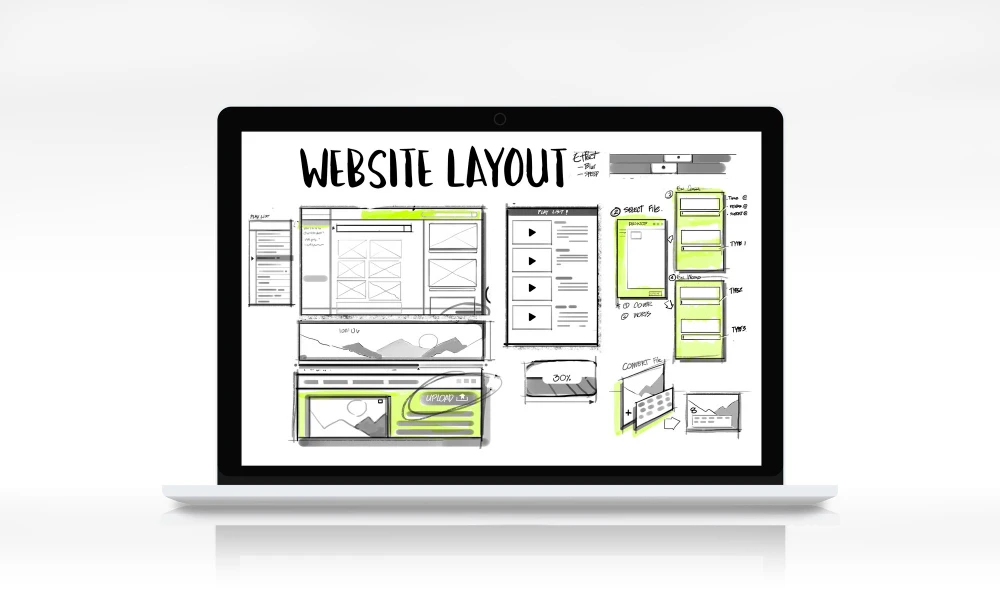
In the world of UI/UX design, wireframing and prototyping are akin to the blueprints of a rocket. Wireframes are skeletal structures that outline the basic structure of a design, mapping out the placement of elements. Prototypes, on the other hand, provide a more interactive experience, allowing designers to test functionality and gather user feedback before finalizing the design.
Iteration: Refining the Launch Sequence
Rocket launches often require multiple iterations and adjustments for a successful mission. Similarly, UI/UX design is an iterative process. Designers continually refine and enhance their creations based on user feedback, emerging trends, and technological advancements. This constant refinement ensures that the end product remains relevant and effective in meeting user expectations.
Testing and Quality Assurance: Ensuring a Smooth Ascent
Just as rockets undergo rigorous testing to ensure a safe journey into space, UI/UX designs undergo thorough testing and quality assurance. This phase identifies and rectifies any glitches, bugs, or usability issues, guaranteeing a smooth user experience.
Conclusion
In conclusion, while UI/UX design might not involve launching rockets into space, it shares a complexity and precision that sets it apart. The fusion of creativity and functionality, the user-centered approach, and the iterative nature of the design process all contribute to the unique challenges faced by UI/UX designers. As digital landscapes continue to evolve, the importance of this dynamic field will only grow, making UI/UX design a captivating blend of art, science, and user-centric innovation.
Visit my Upwork profile for - UI/UX design, Web design & Mobile design


























Sign in to leave a comment.