

In the ever-evolving realm of technology, user interface (UI) and user experience (UX) design play pivotal roles in shaping our interactions with digital platforms. When done right, UI/UX design can create seamless, enjoyable experiences for users. However, there exists a dark side to this creative discipline—a side where good design can take a sinister turn, leaving users frustrated and disillusioned.
The Seductive Allure of Aesthetic Appeal
One of the most common pitfalls in UI/UX design is the overemphasis on aesthetic appeal at the cost of functionality. Beautiful interfaces may captivate users initially, but if they hinder intuitive navigation or impede the accomplishment of tasks, the allure quickly fades. A design that prioritizes style over substance can lead users down a confusing path, undermining the very essence of user experience.
The Tyranny of Complexity
As technology advances, so do the capabilities of digital platforms. While complexity can offer powerful functionalities, it also poses a significant risk. A UI/UX design that overwhelms users with intricate features and convoluted workflows can result in a steep learning curve. Users may find themselves lost in a labyrinth of options, struggling to perform even the simplest tasks. The dark side of complexity emerges when a user-friendly interface morphs into a perplexing puzzle.
The Deceptive Allure of Dark Patterns
Dark patterns, deceptive design choices crafted to manipulate users into taking unintended actions, represent a particularly insidious facet of the dark side of UI/UX. From misleading prompts to disguised checkboxes, these patterns exploit psychological vulnerabilities, coercing users into choices they didn't intend to make. Such practices erode trust and tarnish the reputation of otherwise well-designed interfaces.
The Overlooked Importance of Accessibility
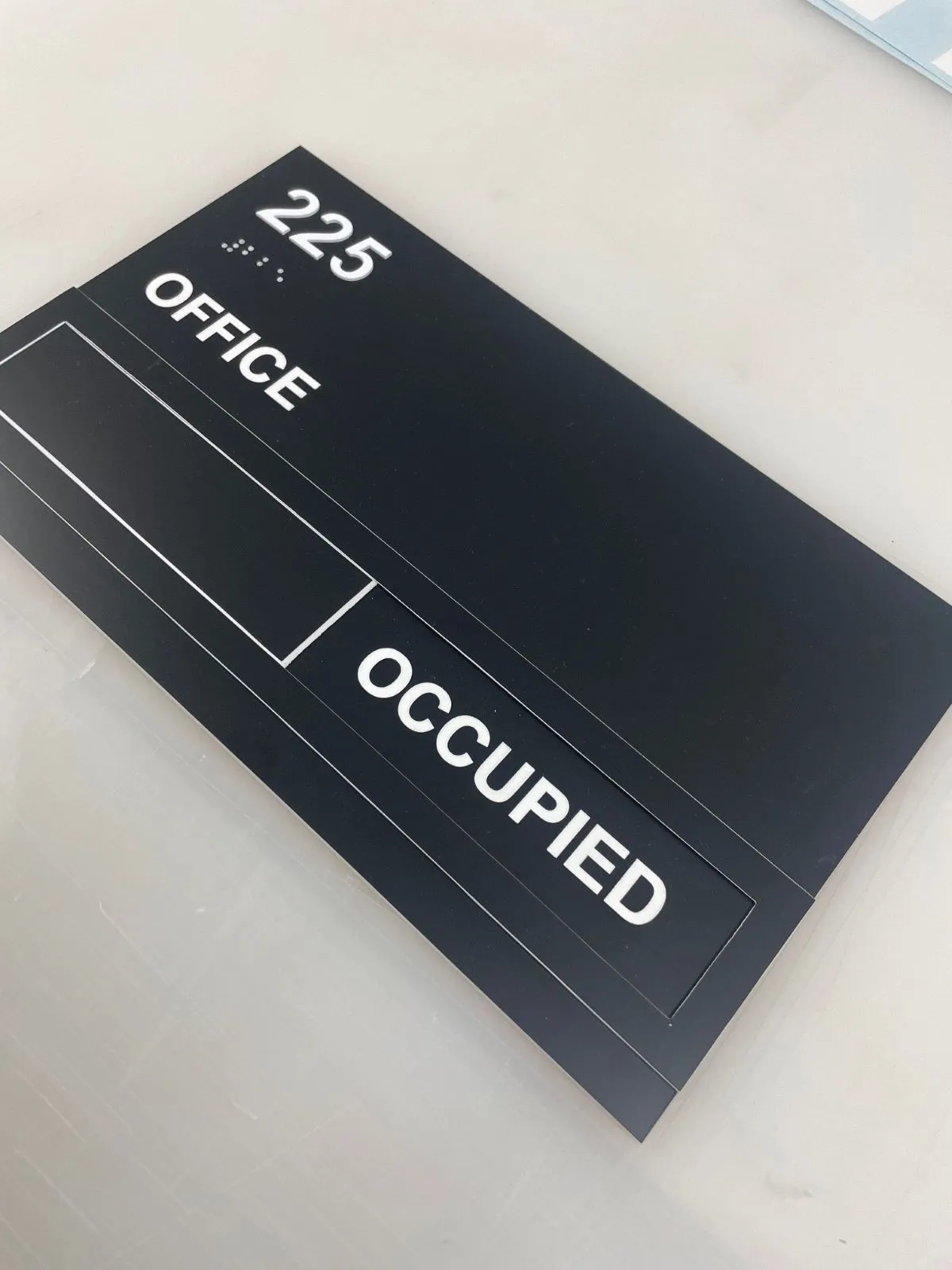
In the pursuit of cutting-edge design, the importance of accessibility is sometimes overlooked. When UI/UX designs are not inclusive, they inadvertently exclude users with disabilities. Ignoring accessibility considerations not only results in discrimination but can also lead to legal repercussions. The dark side of UI/UX design manifests when inclusivity takes a backseat, leaving a portion of the user base behind.
The Invasive Nature of Intrusive Design Elements
Pop-ups, auto-playing videos, and aggressive notifications are elements that can turn a well-intentioned UI/UX design into a source of annoyance. When these intrusive features disrupt the user experience, they can drive users away and tarnish the reputation of the product. Balancing the need for engagement with the user's desire for a seamless experience is a delicate act, and the dark side emerges when this balance is neglected.
Navigating Towards the Light
Acknowledging the dark side of UI/UX design is the first step towards creating digital experiences that truly serve users. Striking a harmonious balance between aesthetics and functionality, simplifying complexity, eschewing dark patterns, prioritizing accessibility, and avoiding intrusive design elements are essential considerations. By weaving ethical design principles into the fabric of UI/UX practices, designers can ensure that good design not only looks appealing but also stands as a beacon of positive user experience. The path to the light side of UI/UX design involves constant vigilance, user empathy, and a commitment to creating digital landscapes that empower and delight users without succumbing to the shadows.
Visit my Upwork profile for — UI/UX design, Web Design & Mobile design
Check out my amazing project catalog — iOS or Android Mobile APP UX/UI Design, Responsive website design & Crypto & NFT Mobile App UI Design




























Sign in to leave a comment.