
In the fast-paced world of digital design, creating a seamless and user-friendly experience is paramount. One key element in achieving this goal is the effective use of UI/UX prototyping. Prototyping is a crucial step in the design process that allows designers to bring their concepts to life, test functionality, and gather valuable feedback before the final product is developed. In this blog post, we'll explore the importance of UI/UX prototyping and how it plays a pivotal role in bringing designs to life effectively.
Understanding UI/UX Prototyping:
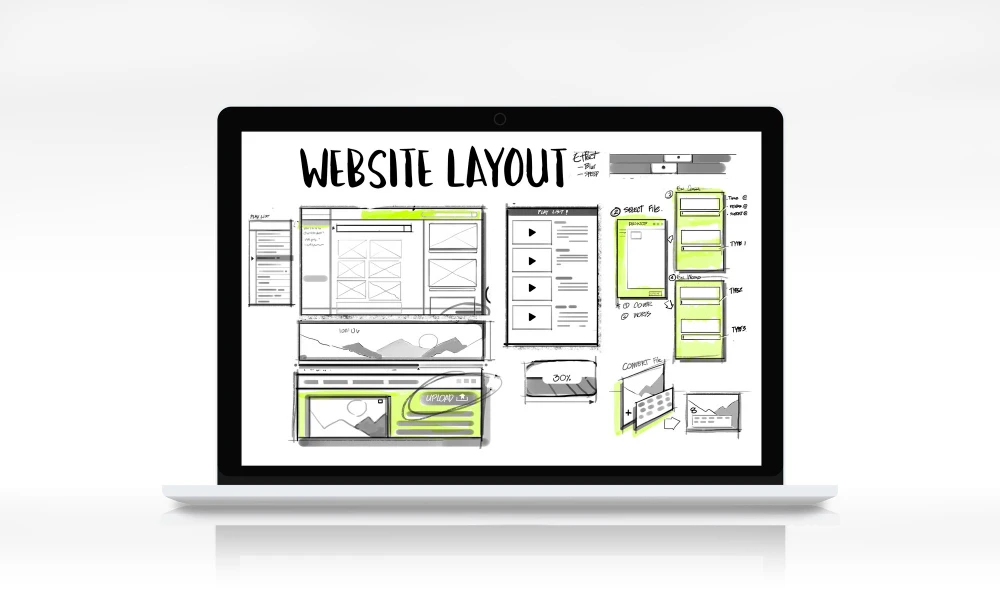
UI/UX prototyping involves creating interactive, dynamic representations of a design. These prototypes serve as a tangible model that allows designers, developers, and stakeholders to experience the product's look and feel before it goes into production. Prototypes can range from low-fidelity wireframes to high-fidelity interactive models, depending on the project's needs.
Benefits of UI/UX Prototyping:
User Feedback:
Prototyping provides a tangible platform for users to interact with the design. This interaction allows designers to gather valuable feedback on user experience, identify potential pain points, and make necessary adjustments. By involving users early in the design process, teams can create products that better meet user expectations.Identification of Design Flaws:
Prototyping helps in identifying design flaws and usability issues before the final implementation. This proactive approach saves time and resources that would otherwise be spent on fixing problems after the product is developed. It ensures a smoother development process and a more polished final product.Improved Communication:
Prototypes act as a common ground for designers, developers, and stakeholders. They bridge the communication gap by providing a visual representation of the design, making it easier for all team members to understand the intended user experience. This alignment ensures that everyone is on the same page and working towards a common goal.Cost-Efficiency:
Investing time in prototyping may seem like an additional step, but it pays off in the long run. By catching design issues early in the process, teams avoid costly revisions during development. This cost-effective strategy ultimately leads to a more efficient and budget-friendly project.Choosing the Right Prototyping Tools:
Selecting the appropriate prototyping tools is crucial for a successful design process. Tools like Sketch, Figma, and Adobe XD offer features that cater to various prototyping needs. Whether it's creating simple wireframes or interactive high-fidelity prototypes, the right tool enhances collaboration and streamlines the prototyping process.
Conclusion:
In the dynamic landscape of UI/UX design, prototyping emerges as a fundamental step towards creating exceptional digital experiences. By incorporating UI/UX prototyping into the design process, teams can bring their concepts to life effectively, ensuring a user-centric approach and a refined final product. The benefits of prototyping, from user feedback to cost-efficiency, underscore its importance in the ever-evolving world of digital design. As technology continues to advance, UI/UX prototyping remains a powerful tool for designers striving to deliver innovative and user-friendly solutions.
Visit my Upwork profile for — UI/UX design, Web Design & Mobile design
Check out my amazing project catalog — iOS or Android Mobile APP UX/UI Design, Responsive website design & Crypto & NFT Mobile App UI Design






















Sign in to leave a comment.