
In the ever-evolving landscape of digital experiences, the fusion of aesthetics and functionality is paramount. User Interface (UI) and User Experience (UX) design are the cornerstones of creating seamless and engaging interactions between users and digital products. To embark on this journey, it's essential to decode the elements that constitute effective UI/UX design. Let's demystify these essentials in 500 Grammarly-polished words.
Typography: The Silent Communicator
Typography is more than just choosing a font; it's about creating a visual hierarchy that guides users through the content. The right typeface can evoke emotions, enhance readability, and contribute to the overall aesthetic. Striking a balance between headers and body text ensures a harmonious visual flow, making the interface not only informative but also visually appealing.
Color Palette: Beyond Aesthetics
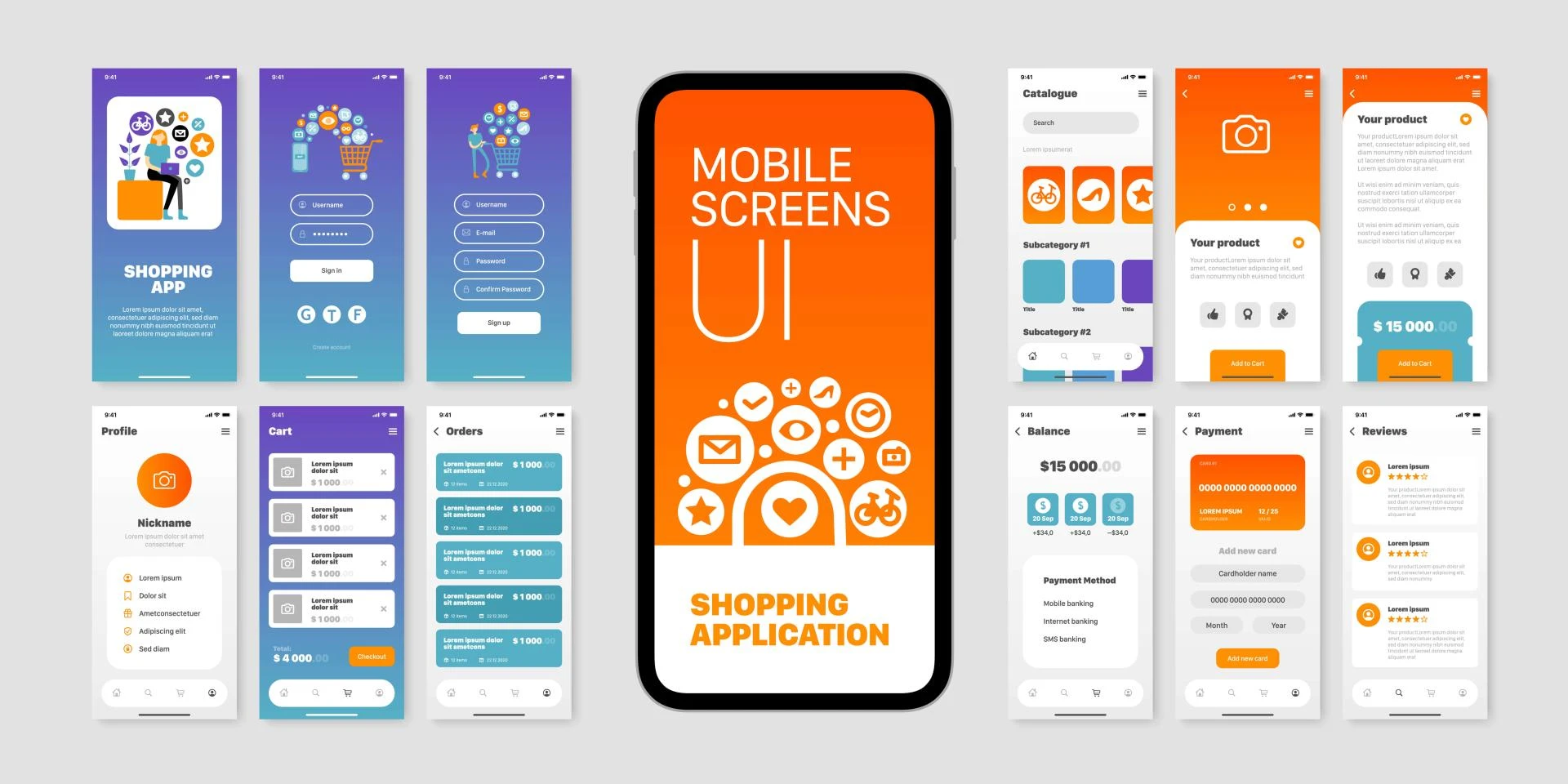
Colors evoke emotions and influence user behavior. A carefully curated color palette can convey brand identity, establish hierarchy, and enhance user comprehension. Consistency in color choices creates a cohesive visual language, guiding users seamlessly through the interface. The careful use of contrast ensures readability, while complementary colors can highlight essential elements.
Navigation: Guiding the User's Journey
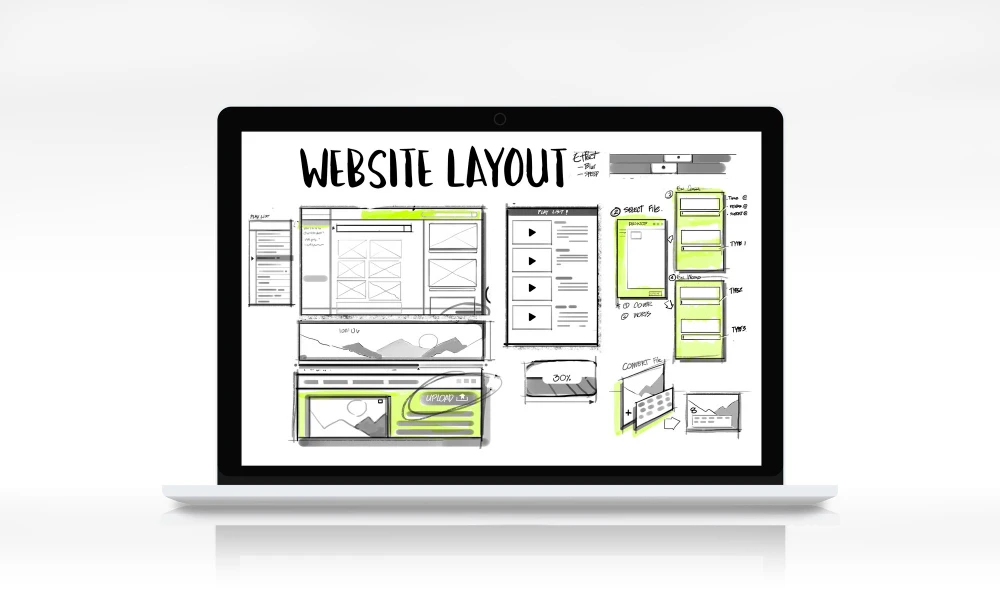
Intuitive navigation is the backbone of a user-friendly design. It's about creating a roadmap that users can effortlessly follow. Clear navigation menus, concise labels, and strategically placed calls-to-action contribute to a seamless user experience. Responsive design, catering to various devices and screen sizes, ensures accessibility for a diverse audience.
Imagery: A Picture is Worth a Thousand Clicks
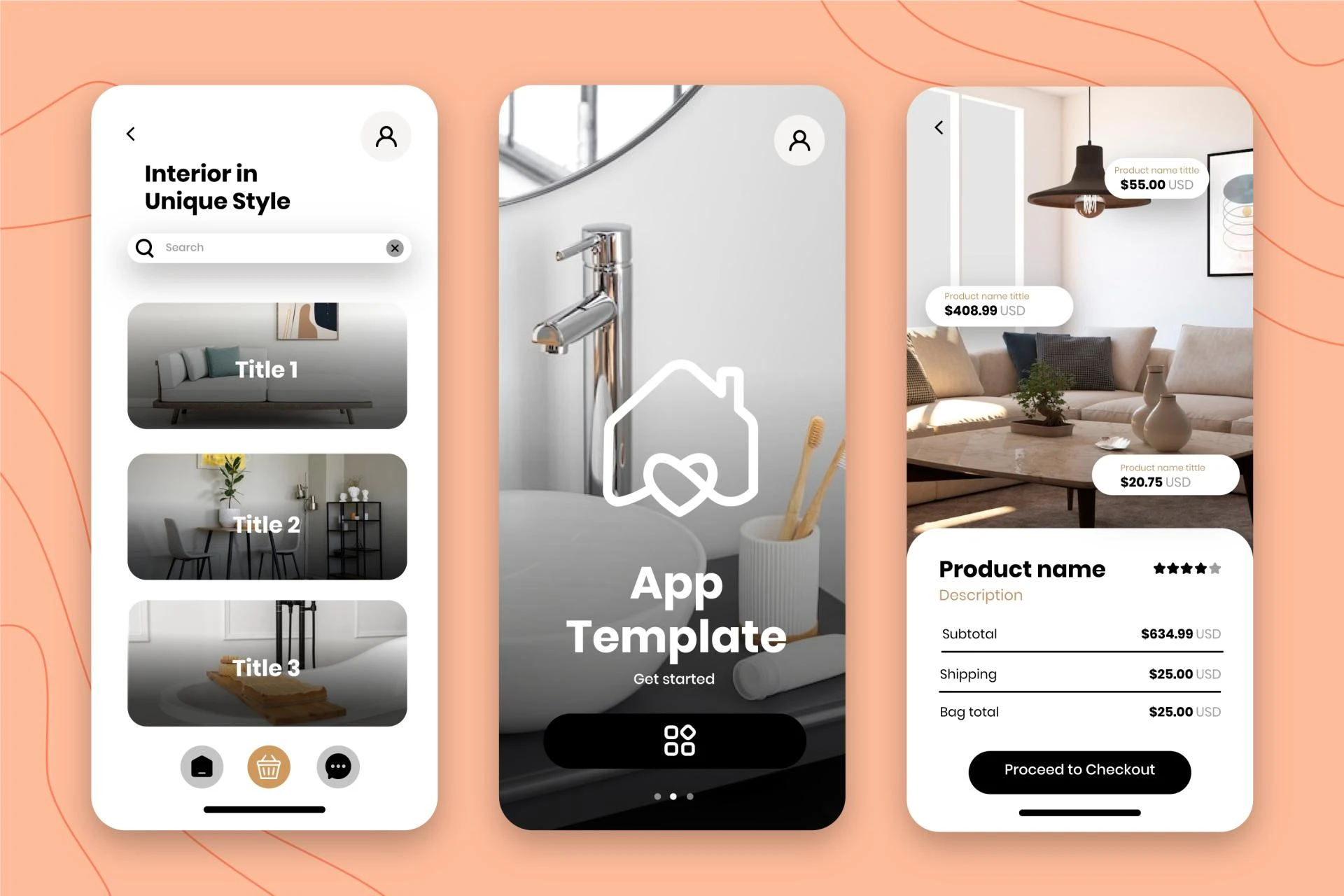
Images and visuals play a pivotal role in user engagement. High-quality, relevant imagery can convey information more effectively than text alone. From product images to background visuals, each element should align with the brand and contribute to a positive user experience. Optimization for faster loading times ensures a smooth browsing experience.
Consistency: The Glue That Binds
Consistency is key to building trust and familiarity. From button placements to color schemes, maintaining a consistent design language throughout the interface fosters user confidence. Consistency extends beyond visual elements to interactions, ensuring users can predict and navigate the interface seamlessly.
User Feedback: Bridging the Communication Gap
Effective UI/UX design is a dialogue between the user and the product. Incorporating feedback mechanisms, such as micro-interactions, tooltips, and error messages, enhances the user experience. These elements provide real-time guidance, making the interface more user-friendly and reducing frustration.
Accessibility: Designing for All
Inclusivity is at the core of great UI/UX design. Ensuring that digital products are accessible to users with disabilities is not only ethically responsible but also legally mandated in many regions. Design considerations for color contrast, text size, and screen reader compatibility make the interface welcoming to a diverse audience.
Conclusion
decoding the elements of UI/UX design involves a careful balance of visual aesthetics and functional efficiency. Typography, color, navigation, imagery, consistency, user feedback, and accessibility are the pillars that uphold a successful user experience. By demystifying these essentials, designers can create digital interfaces that not only captivate users but also provide them with a seamless and enjoyable journey.
Visit my Upwork profile for — UI/UX design, Web Design & Mobile design
Check out my amazing project catalog — iOS or Android Mobile APP UX/UI Design, Responsive website design & Crypto & NFT Mobile App UI Design




















Sign in to leave a comment.