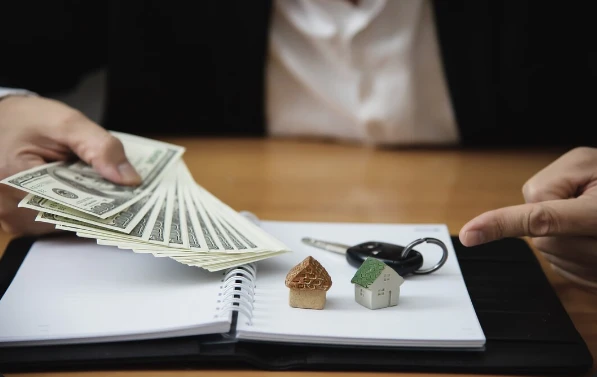

Cash offers in real estate provoke strong reactions—excitement, skepticism, and sometimes confusion. Sellers picture lightning-fast closings and zero contingencies; buyers imagine opportunists and lowballers. The truth sits between these extremes. This article separates common myths from reality, explains how cash offers work, and gives practical guidance so sellers and agents can make smarter decisions.
What is a cash offer?
A cash offer means the buyer funds the purchase without taking out a mortgage—the money is already available through savings, investors, or other liquid assets. Cash buyers range from individual buyers to iBuyers and real estate investors. Because there’s no lender involved, the transaction often moves faster and with fewer financing-related contingencies.
Myth 1—Cash offers are always lowball offers.
Fact: Many cash offers are competitive. While some investors aim for discounts because they account for rehab costs and resale margins, other cash buyers—especially owner-occupant buyers—will pay market value or even a premium to secure a fast, guaranteed purchase. Sellers should compare net proceeds after factoring in repairs, staging, agent commissions, and holding costs, not just the headline price.
Myth 2—Cash offers do not check anything or the title.
Fact: Cash dealings eliminate lender-imposed appraisal and financing conditionalities, yet inspections and title searches are not unimportant. Cunning sellers and buyers generally carry out inspections and title check-ups to prevent concealed ills. A clear title and a simple check ensure the protection of both parties and avoid problems in the after-closing cases.
Myth 3 - Cash in 24 hours.
Fact: Cash deals close at a much faster rate as compared to financed deals since it does not have to wait until underwriting is done. Nevertheless, there are logistical procedures involved: title searches, escrow services, signing of documents, and occasionally municipal clearances. The realistic fast close can be 7-21 days, but there are well-prepared cash buyers who can close faster.
Myth 4 - Cash buyers are never investors who turn over homes.
Fact: There is a broad spectrum of cash buyers, such as retirees who purchase without a mortgage, families that are moving or relocating, iBuyers, institutional investors, and independent flippers. It is also good to know who you are dealing with so you can estimate when they will be free and when they will need to request repairs, and when they can afford their final offer.
Myth 5 - To take a cash offer is not to take an agent.
Fact: In cash transactions, the agents continue to add value—they can authenticate buyer identity, negotiate, organize documentation, and defend the interests of the seller. Agents assist in authenticating the offers and in handling the closing professionally, particularly by the title companies and attorneys.
Key advantages of cash offers
- Speed and certainty: No mortgage underwriting reduces a major failure point.
- Fewer contingencies: Cash offers often forego financing contingencies, making the sale more reliable.
- Saves holding and repair costs: Sellers who avoid months of mortgage payments, taxes, and repair expenses may net more quickly, even if the sale price is slightly lower.
- Attractive for complex situations: Probate, liens, vacant properties, or urgent relocations often benefit from cash transactions.
When comparing options in scenarios like buying selling house under tight timelines, a credible cash offer can be the most practical path.
How to evaluate a cash offer (practical checklist)
- Proof of funds (POF): Always request a current POF document or bank verification. A screenshot is not sufficient.
- Written offer: Get full terms in writing—price, closing date, contingencies, seller concessions, and allocation of closing costs.
- Title company or attorney: Confirm which title company or closing attorney will handle the transaction. Ensure they’re reputable.
- Inspection window: Even with cash, allow a short inspection period to identify major issues. Decide whether repairs will be negotiated or handled post-closing.
- Net proceeds calculation: Compare the net amount after commissions, closing costs, and any agreed credits — not the gross offer price.
- Buyer profile: Know if the buyer is an individual, an investor, or an iBuyer; each behaves differently during closing and post-closing steps.
Red flags and how to avoid scams
- No proof of funds: If the buyer resists providing verifiable POF, pause the deal.
- Pressure to sign quickly: High-pressure tactics to rush signatures are suspicious. Legitimate buyers will give a reasonable time for review.
- Unclear closing party: If the buyer refuses to use a licensed title company or attorney, treat this as a warning.
- Unusual wiring instructions: Always confirm wiring details with the title company and never follow wiring instructions sent only by email without phone verification.
- Buyer requests odd concessions: Requests that don’t fit market norms (e.g., seller pays for buyer’s unrelated debts) should be questioned.
| Point | Why it matters |
| Faster closings | Cash deals can finish in 7–21 days. |
| Fewer contingencies | No mortgage approval means less risk of delays. |
| As-is sales | Home buyers for cash often take properties without repairs. |
| Certainty | Proof of funds ensures reliability. |
| Lower costs | Sellers save on holding costs and repairs. |
Seller strategies—when a cash offer makes sense
- Imminent foreclosure: Cash closes fast and can prevent credit damage.
- Estate or probate sales: Heirs often prefer quick distribution of proceeds.
- Rental portfolio liquidation: Investors can buy entire portfolios quickly, saving landlords months of vacancy loss and management hassle.
- Properties needing heavy rehab: Sellers who don’t want to coordinate repairs may accept a slightly lower cash price for convenience.
Negotiation tips when faced with a cash offer
- Ask for an escalation clause: If the buyer is serious but under market, allow them to escalate their bid if other offers arrive.
- Negotiate closing credits instead of price: If the buyer wants repairs covered, a seller credit may bridge the gap without lowering the sale price publicly.
- Set firm inspection boundaries: Define the inspection scope and timelines to prevent endless renegotiations.
- Confirm earnest money: Higher earnest money deposits in cash deals show buyer commitment.
Balancing Speed and Value
Cash offers are powerful tools in real estate, blending speed, reliability, and flexibility. They aren’t a one-size-fits-all solution: the best choice depends on your timeline, tolerance for repairs, and financial goals, and deciding that, professionals such as Pennington Real Estate Investments can help. Evaluate cash offers by net proceeds, verifiable funds, and the buyer’s profile rather than assuming every cash bid is a lowball or a scam. When used wisely, cash offers can be the cleanest, most practical path to closing—especially in complex or time-sensitive situations.
FAQS (Frequently Asked Questions)
Q1: How fast do cash offers close?
Typically 1–3 weeks, depending on title and paperwork.
Q2: Are cash offers always below market value?
Not always; some pay near or at market for speed and certainty.
Q3: Do sellers still need inspections?
Yes, inspections protect both parties even in cash sales.
Q4: How do I verify a real cash buyer?
Request proof of funds and use a trusted title company or attorney.
Q5: When does accepting cash make sense?
When facing foreclosure, needing quick funds, or selling homes that need repairs.
































Sign in to leave a comment.