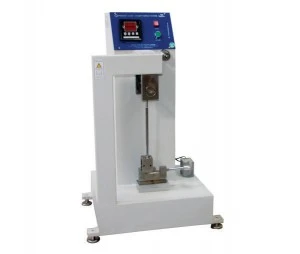

Impact testing is a crucial process used to assess the toughness of materials by measuring their ability to withstand sudden forces or shocks. This test is particularly valuable in industries where materials are exposed to extreme conditions, such as aerospace, automotive, and construction. The insights gained from an impact test are critical for ensuring product reliability, safety, and durability. In this article, we will explore the methods of impact testing, the difference between the Izod and Charpy impact tests, and the role of related testing equipment like cupping testing machines, tensile strength testers, and rolling ball tests.
What is an Impact Test?
An impact test is performed to evaluate a material's capacity to absorb energy during fracture. The test involves applying a sudden force to a specimen, and the energy absorbed is measured. This helps determine the material’s resistance to breakage or failure under real-world stress conditions. Impact tests are widely used to test metals, plastics, and other materials to ensure they can endure shock loading without compromising their integrity.
Types of Impact Tests: Izod vs. Charpy
Two common methods of conducting an impact test are the Izod and Charpy impact tests. Although both methods measure the energy required to fracture a material, the setup and specimen orientation differ.
- Izod Impact Test: In this test, the specimen is vertically clamped with a notch facing the pendulum. It is commonly used for testing plastics and materials that may be more prone to brittle fractures.
- Charpy Impact Test: In contrast, the Charpy test uses a horizontally placed specimen with the notch facing away from the pendulum. This test is more commonly used for metals and alloys, providing valuable data on how materials behave when subjected to sudden loads.
Understanding the difference between these two tests is essential for selecting the right method for your material testing needs.
Cupping Testing Machine
While impact testing focuses on evaluating a material's ability to withstand shock, other machines, like the cupping testing machine, are essential for assessing the formability and ductility of materials, especially metals. This machine evaluates how well sheet metal can deform under pressure, providing insights into a material's ability to endure various manufacturing processes without failure. The cupping test is commonly used in industries like automotive manufacturing, where metal components are subjected to high stress during production.
Tensile Strength Tester
In addition to impact testing, a tensile strength tester is used to assess a material's behavior under tensile (pulling or stretching) stress. This test measures the maximum amount of tensile stress a material can withstand before breaking, providing valuable data on its strength, elasticity, and elongation properties. While impact testing evaluates a material's ability to resist sudden forces, a tensile strength test provides a deeper understanding of its capacity to handle prolonged forces over time.
Rolling Ball Test
The rolling ball test is another method used to assess the adhesive properties of materials. This test is particularly useful for determining the tackiness or stickiness of adhesives, tapes, and coatings. By rolling a ball down a slope onto the material, manufacturers can measure the distance the ball travels before stopping, indicating how well the material adheres. This test complements impact testing by providing data on how materials will perform in bonding applications where stress is applied during or after assembly.
Conclusion
Impact testing plays a vital role in ensuring the reliability and safety of materials in a wide range of industries. Whether you are conducting an Izod or Charpy impact test, or using additional equipment like a cupping testing machine or tensile strength tester, these tools provide essential data for selecting the right materials and improving product design. By understanding the methods, differences, and applications of these tests, manufacturers can make informed decisions that enhance material performance, minimize risks, and deliver high-quality products.
Email :- [email protected]
Call Now: +919210903903
























Sign in to leave a comment.