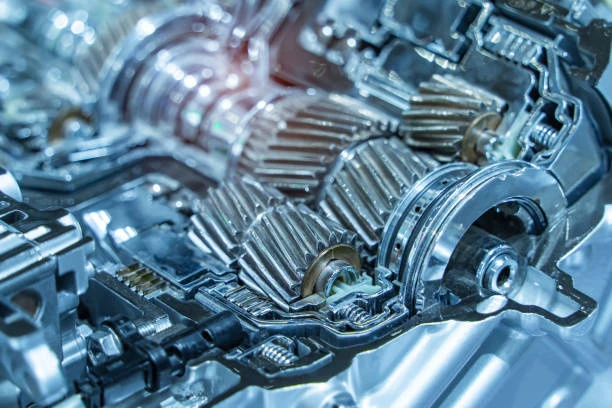

A vehicle’s transmission is one of the most crucial components for safe and efficient driving. It ensures that power from the engine is transferred to the wheels, allowing smooth gear changes and optimal performance. However, many drivers overlook transmission maintenance until a serious problem occurs. Understanding the typical lifespan of a vehicle transmission, as well as the factors that affect it, can help drivers prevent costly repairs and extend the life of their car.
Modern transmissions, whether automatic or manual, are complex systems that require regular inspection, proper fluid maintenance, and attentive driving habits. By understanding how long a transmission can last and what signs indicate trouble, drivers can take proactive measures, including visiting a trusted az transmission service provider to ensure their vehicle remains safe, efficient, and reliable.
What Determines a Transmission’s Lifespan?
The lifespan of a vehicle transmission depends on several key factors:
- Type of Transmission: Automatic transmissions generally require more maintenance and may wear differently than manual transmissions.
- Driving Habits: Aggressive driving, towing heavy loads, or frequent stop-and-go driving can reduce a transmission’s life.
- Maintenance Practices: Regular transmission fluid checks, timely fluid changes, and overall vehicle care significantly extend lifespan.
- Vehicle Type and Load: SUVs and trucks that carry heavy cargo often experience more stress on the transmission compared to smaller passenger cars.
On average, most transmissions last between 150,000 and 250,000 miles, although this varies depending on maintenance, driving conditions, and quality of parts. Some well-maintained vehicles exceed 300,000 miles. Regular visits to an AZ transmission service center can help ensure these systems operate reliably for years.
Signs Your Transmission May Be Wearing Out
Even with proper maintenance, transmissions eventually show signs of wear. Common indicators include:
- Delayed or Rough Shifting: Hesitation, jerking, or grinding during gear changes.
- Strange Noises: Whining, clunking, or buzzing sounds coming from the transmission.
- Fluid Leaks: Transmission fluid is typically red or pink; leaks may indicate a problem.
- Burning Smell: Overheating transmission fluid can emit a strong burnt odor.
- Warning Lights: Check engine or transmission warning lights signal potential issues.
Addressing these symptoms early through professional AZ transmission services can prevent full system failure and save money on replacements.
Maintenance Tips to Extend Transmission Life
Routine maintenance is essential to prolong transmission lifespan:
- Regular Fluid Checks and Changes: Transmission fluid lubricates internal components and prevents overheating. Most manufacturers recommend fluid replacement every 30,000 to 60,000 miles, depending on vehicle type.
- Use the Correct Fluid: Always use the manufacturer-recommended transmission fluid. Incorrect fluids can cause internal damage.
- Avoid Aggressive Driving: Rapid acceleration, sudden braking, and towing beyond capacity can accelerate wear.
- Schedule Regular Inspections: Annual transmission inspections by a qualified mechanic help detect small issues before they become major problems.
Vehicles that follow these practices often see significantly longer transmission life and fewer costly repairs. Professional AZ transmission services provide expertise in checking fluid levels, performing adjustments, and diagnosing early issues.
Automatic vs. Manual Transmission Lifespan
- Automatic Transmissions: Modern automatic transmissions can last up to 200,000 miles or more if properly maintained. They rely heavily on hydraulic systems and electronics, making timely fluid changes and diagnostics critical.
- Manual Transmissions: These are generally simpler and more durable, with a lifespan often exceeding 250,000 miles. Clutch maintenance and proper gear use play a key role in longevity.
Understanding your vehicle’s transmission type helps tailor maintenance practices and predict lifespan more accurately. Trusted AZ transmission experts can provide guidance based on your vehicle’s specific needs.
When to Seek Professional Transmission Services
Even with regular maintenance, professional service is essential when symptoms arise. A reliable AZ transmission service provider will:
- Diagnose issues using advanced diagnostic tools
- Inspect fluid, gaskets, and seals for leaks or wear
- Check internal components for wear or damage
- Perform adjustments, fluid changes, or rebuilds as needed
Professional intervention ensures that your transmission continues to operate safely and efficiently, reducing the likelihood of a complete failure.
Conclusion
The lifespan of a vehicle transmission depends on several factors, including driving habits, maintenance, vehicle type, and fluid care. Recognizing early signs of wear and scheduling timely inspections at a professional AZ transmission service helps drivers extend transmission life, maintain smooth performance, and avoid costly repairs. Proactive care and routine maintenance are the best ways to keep your transmission running reliably for years to come.
Frequently Asked Questions
1. How long does a typical car transmission last?
Most transmissions last between 150,000 and 250,000 miles, depending on maintenance and driving habits. With excellent care, some exceed 300,000 miles.
2. How often should I change transmission fluid?
Manufacturers typically recommend changing automatic transmission fluid every 30,000–60,000 miles. Manual transmissions may require less frequent fluid changes.
3. Can I drive with transmission issues?
Short-term driving may be possible, but continued use can worsen damage and increase repair costs. Early service at an AZ transmission center is advised.
4. How much does a transmission replacement cost?
Costs vary by vehicle type and repair needed, but full replacements range from $1,800 to $4,500, with some luxury or heavy-duty vehicles exceeding this range.
5. What is the difference between transmission repair and rebuild?
Repair typically addresses specific issues like fluid leaks or minor gear problems. Rebuilding involves disassembling the transmission, replacing damaged components, and reassembling it to restore full function.





























Sign in to leave a comment.