
The digital entertainment landscape has experienced a massive transformation over the past decade. Online streaming platforms have reshaped how audiences consume movies, TV shows, documentaries, and live events. Unlike traditional cable television or physical media, streaming platforms provide instant access to vast content libraries, personalized recommendations, and flexible viewing options. Understanding the factors behind the rise of these platforms, their benefits, and the future of digital entertainment helps explain why streaming has become the dominant form of media consumption today.
Shift from Traditional Media
The decline of traditional media, such as cable television and DVDs, has fueled the growth of online streaming platforms. Viewers are increasingly seeking convenience, flexibility, and on-demand access, which streaming services provide. Unlike cable subscriptions with fixed schedules, streaming platforms allow users to watch content whenever they choose. This shift in consumer preference has prompted media companies to invest heavily in digital platforms, offering high-quality content to meet changing demands.
On-Demand Access
One of the key drivers of the rise of online streaming platforms is on-demand access. Viewers no longer need to adhere to television schedules or visit physical stores to watch movies or shows. Platforms like Netflix, Amazon Prime Video, Disney+, and Hulu allow users to instantly access their favorite content. On-demand viewing provides freedom, convenience, and control over what to watch and when, significantly enhancing the overall user experience.
Personalized Recommendations
Modern streaming platforms leverage advanced algorithms to provide personalized content recommendations. By analyzing viewing history, preferences, and user behavior, these platforms suggest movies, series, or live events that align with individual interests. Personalized recommendations not only increase engagement but also help users discover new content effortlessly, making streaming a more satisfying and immersive experience compared to traditional television.
Mobile and Multi-Device Accessibility
The rise of smartphones, tablets, smart TVs, and streaming devices has fueled the popularity of streaming platforms. Users now expect to access content seamlessly across multiple devices, allowing them to watch on the go or from the comfort of home. Multi-device support, along with cross-platform synchronization of watchlists and progress, ensures a smooth and flexible viewing experience that adapts to modern lifestyles.
Subscription Models and Flexibility
Streaming platforms often offer flexible subscription models, providing access to extensive content libraries at reasonable costs. Monthly or annual subscriptions, family plans, and tiered pricing options allow users to choose plans that fit their needs and budgets. Some platforms even offer ad-supported free tiers to attract new users. Flexible subscription options have made streaming platforms more accessible and appealing than traditional cable packages.
Content Variety and Original Programming
Another factor driving the growth of online streaming is the variety of content available. Platforms host an extensive range of movies, TV shows, documentaries, live events, and exclusive original programming. Original content has become a key differentiator for streaming services, drawing subscribers with unique shows and series unavailable elsewhere. This variety satisfies diverse audience preferences and encourages longer viewing sessions.
Global Accessibility
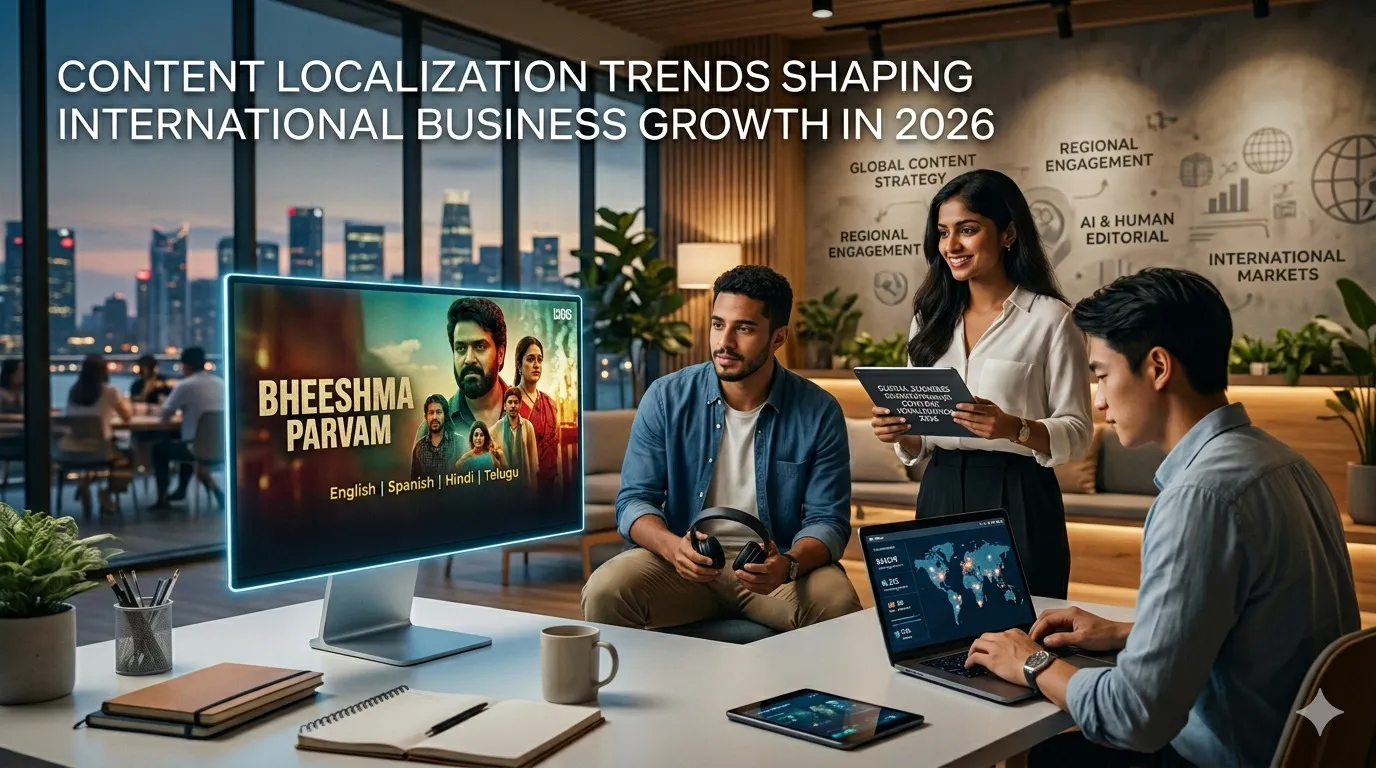
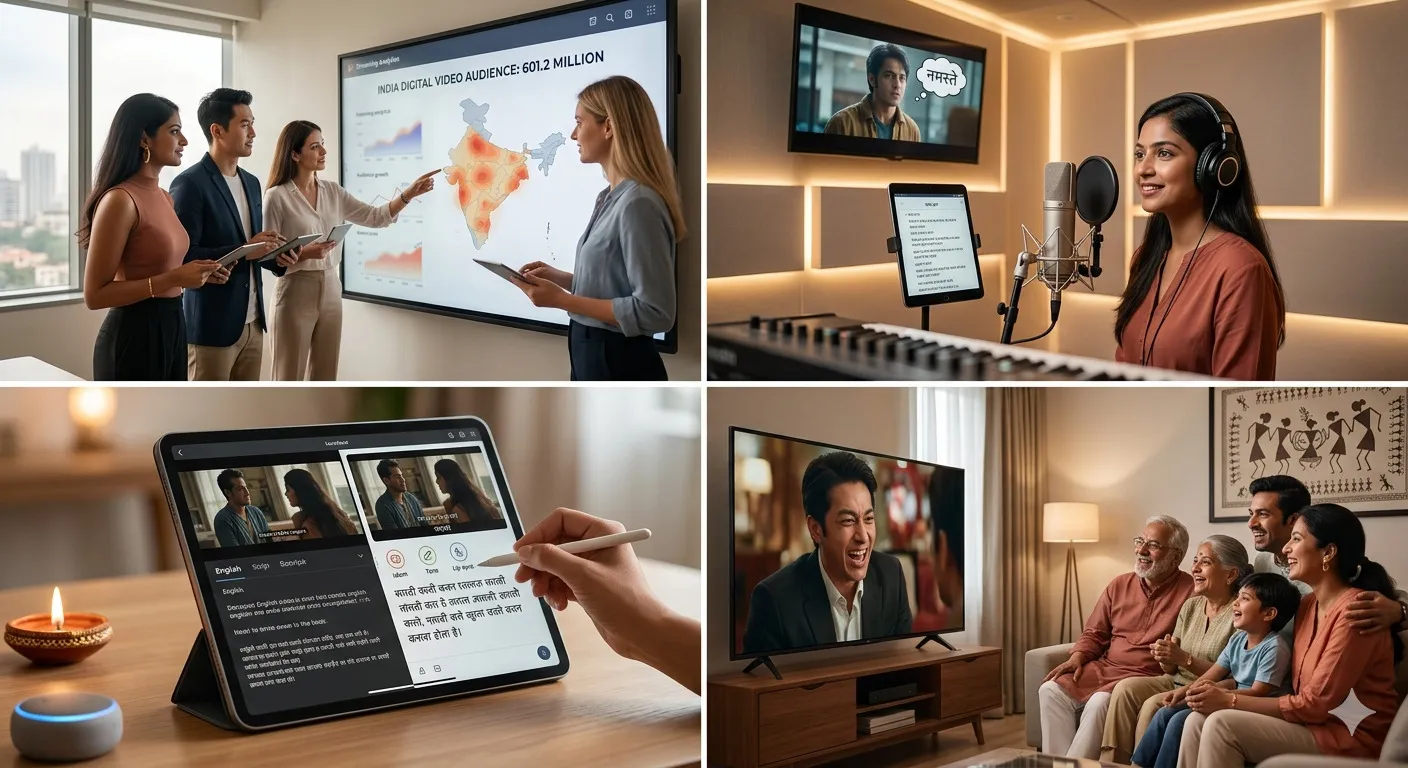
Online streaming platforms break geographical barriers, offering content to users across the globe. Unlike traditional media, which is often restricted by region, streaming services provide access to international movies, shows, and live events. Many platforms also offer multilingual support, subtitles, and localized content, making them appealing to global audiences and contributing to their rapid rise.
Improved Technology and Internet Speeds
The proliferation of high-speed internet, 4G and 5G networks, and advancements in streaming technology have played a crucial role in the growth of online platforms. Faster connections enable high-definition and 4K streaming with minimal buffering, enhancing user satisfaction. Adaptive streaming technologies adjust video quality in real-time based on available bandwidth, ensuring smooth playback even during fluctuating network conditions.
Free and Ad-Supported Platforms
Not all streaming platforms require subscriptions. Free or ad-supported services have emerged to cater to users seeking accessible entertainment without financial commitments. Platforms offering a free streaming app model provide movies, TV shows, and live channels with occasional ads, attracting a wide audience. These platforms contribute significantly to the widespread adoption of online streaming, particularly among budget-conscious users.
Interactive and Live Content
Live streaming and interactive features have become popular aspects of online platforms. Sports events, concerts, webinars, and interactive shows allow viewers to engage with content in real-time. Features such as live polls, chats, and real-time reactions create a participatory experience, setting streaming platforms apart from traditional media, where audience interaction is limited.
Offline Viewing Options
Offline viewing has become a sought-after feature, allowing users to download movies, shows, or music and watch without an internet connection. This flexibility is particularly beneficial for travelers, commuters, and users in areas with unstable connectivity. Platforms offering offline options increase user convenience and engagement, enhancing the overall appeal of streaming services.
Social Integration
Many streaming platforms now integrate social features, allowing users to share content, comment, or interact with friends while watching. Social integration creates a community feel, encouraging engagement, content discovery, and discussions around favorite shows or movies. This connectivity adds value to the streaming experience and differentiates platforms from traditional solitary viewing.
Personalization and User Profiles
User profiles enhance personalization by maintaining individual watchlists, viewing history, and content preferences. This is particularly important for shared accounts or family subscriptions. Each profile can have tailored recommendations and viewing habits, ensuring that all users enjoy content suited to their interests. This feature improves engagement, satisfaction, and retention on streaming platforms.
Gaming and Interactive Entertainment
Some modern streaming platforms now include gaming and interactive entertainment options. Cloud gaming services allow users to play games without high-end hardware, while interactive shows let viewers influence storylines in real-time. Combining traditional streaming with interactive features broadens the platform’s appeal and keeps users engaged for longer periods.
Cross-Device Continuity
Seamless cross-device viewing is expected by modern users. Starting a show on a smartphone and continuing on a smart TV or tablet without losing progress is now a standard feature. Platforms that support cross-device continuity provide convenience and enhance the overall user experience, reinforcing loyalty and prolonged engagement.
Security and Privacy
As streaming platforms collect user data, viewers expect secure accounts, encrypted connections, and controlled privacy settings. Ensuring that personal information, payment details, and viewing habits are protected builds trust and increases platform reliability. Platforms that prioritize security often see higher subscriber satisfaction and retention.
Cost-Effectiveness and Value
The affordability of streaming platforms compared to traditional cable subscriptions is a major factor in their rise. Users can access diverse content libraries, original programming, and flexible subscription plans at a fraction of the cost of cable packages. Some platforms also offer free tiers with ads, allowing users to enjoy content without financial commitments, further driving adoption.
Future Trends in Streaming Platforms
The future of streaming includes immersive experiences, virtual reality content, AI-driven personalization, enhanced social features, and faster delivery via 5G networks. Platforms are expected to continue evolving, integrating more interactive, global, and user-centric features. As technology advances, online streaming platforms will dominate digital entertainment, offering convenience, engagement, and high-quality experiences unmatched by traditional media.
Conclusion
The rise of online streaming platforms is driven by convenience, personalization, content variety, and technological advancements. On-demand access, multi-device support, subscription flexibility, live streaming, offline viewing, and secure user experiences have transformed how people consume entertainment. Free and ad-supported options, interactive features, and global accessibility further enhance the appeal of these platforms. By understanding these trends and user expectations, it is clear why streaming has become the preferred mode of digital entertainment, with services like a free streaming app shaping the future of media consumption worldwide.




















Sign in to leave a comment.