People are subjected to the significant challenge of sunlight, and it harbors energy, which can pass through glass and rapidly warm interiors. The design of modern automotive and architectural films is aimed at overcoming this complexity using very effective infrared-rejection technologies.
Knowledge of how these films work can assist home and car owners to make informed and energy-efficient choices. The new standard of performance and comfort in high-end IR protection is now the new standard in high-end window tinting in Yorba Linda that fulfills the needs of the California climate.
Understanding IR Rejection and the Science Behind It
IR rejection is the ability of window films to prevent heat loss by absorbing infrared radiation, which is invisible to the human eye and accounts for the majority of the sun's heat energy. IR light is invisible, but it contributes significantly to the heating behind the glass.
The principle of IR rejection is rooted in advanced materials science. Nano-ceramic, metallic, or hybrid compounds in layers react with light, reflecting or absorbing heat energy without distorting the transparency of the glass.
In modern car window tinting solutions, the procedure involves precision-engineered films that selectively block infrared radiation while allowing visible light to pass through.
Types of Modern IR-Rejecting Window Films
- Ceramic Films
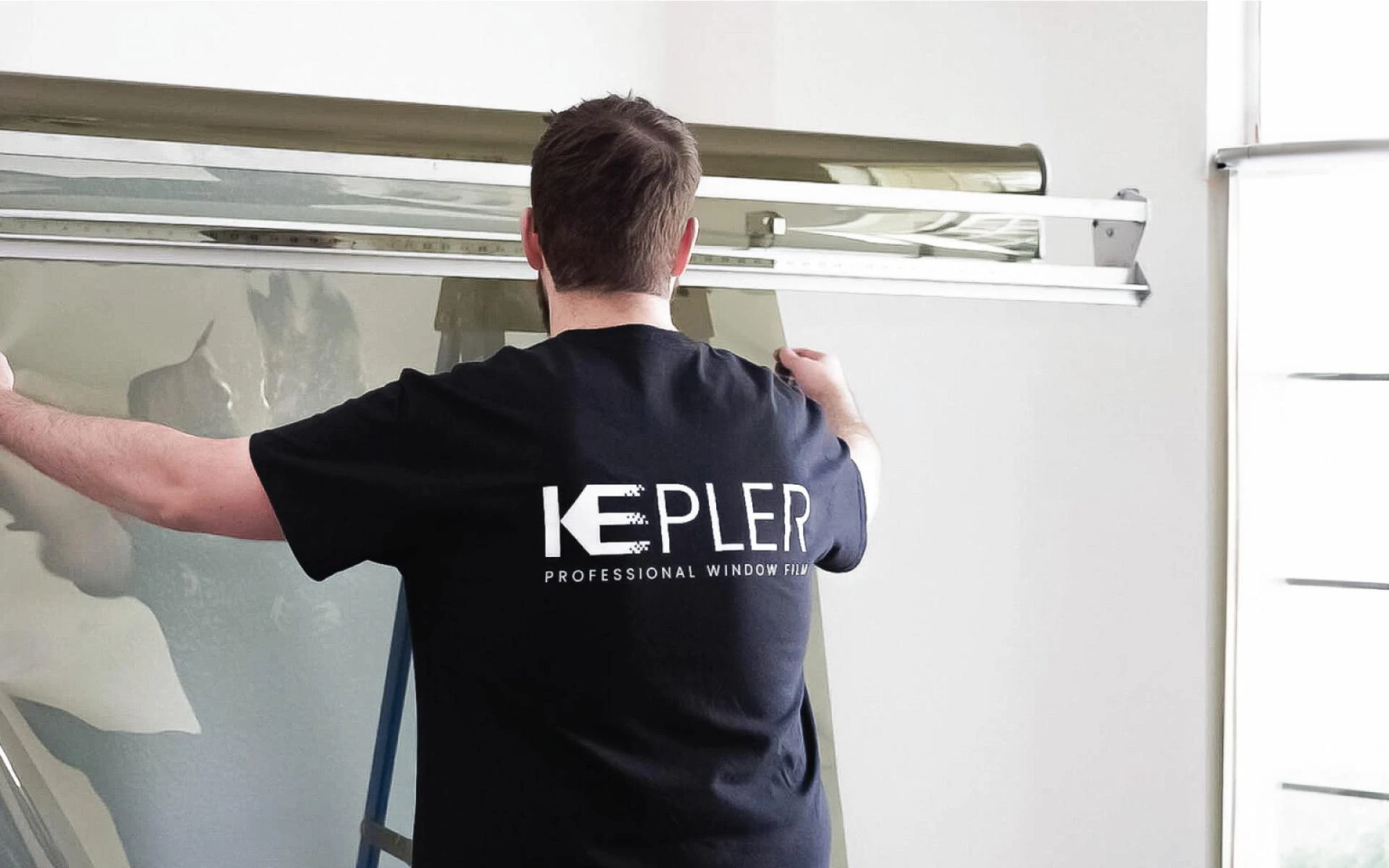
The most developed IR rejection is ceramic films. They employ microscopic ceramic particles that prevent infrared heat and do not affect visibility by interfering with the signals. The products, such as Kepler IR and Kepler IR+, offer premium-grade protection and deliver high-quality clarity and thermal control for residential and automotive use.
- Metalized Films
Metalized films have thin metal layers to reflect solar energy and prevent excessive heat accumulation. These films further enhance privacy and make the glass appear smooth, offering high heat rejection capabilities suitable for both commercial and automotive applications.
- Dyed Hybrid Films
Multi-material dyed hybrid films trade off between performance and aesthetics. Their layers with dye minimize glare and soften light, and another reflective or ceramic layer increases heat rejection and resistance in the long term.

Benefits of High IR Rejection Window Films
The advantages are not limited to heat control, but also include better comfort, safety, and value.
Enhanced Indoor Comfort
An expensive IR-rejection film stabilizes the interior temperature and avoids the heat imbalance. Surfaces of glass facing direct sunlight are cooler, eliminating heat traps by the windows.
The uniform temperature of the rooms or cabins in vehicles rarely requires changes to cooling strategies. This effect is further enhanced by the Advanced Ceramic Window Tinting technology, which offers both clarity and high levels of heat control.
Lower Energy Consumption
Power efficiency directly depends on effective IR rejection. Movies that have better thermal control minimize the work of the HVAC units and air conditioning systems in cars, which increases their lifespan.
The savings in energy are realized over the long term, leading to reduced utility bills for homeowners and drivers. Knowledge of Car Window Tinting Cost helps consumers realize the value of energy savings and long-term comfort.
Glare Reduction for Better Visibility
Direct sunlight can cause excessive glare, leading to discomfort and visual fatigue, especially when driving or working in front of large windows. IR-rejecting movies are used to block harsh rays and reduce light levels, while maintaining natural brightness in a room.
Products such as Kepler IR and Kepler IR+ effectively reduce glare and deliver high-quality clarity. Equivalent lighting enhances higher levels of concentration and security, thereby making environments more practical and comfortable, regardless of the sun's location.
UV and Heat Protection
These films provide two-fold protection by refusing the damaging ultraviolet rays and also rejecting the heat rays of infrared radiation. This is a strong combination that eliminates sun damage on furniture, flooring, and upholstery, and keeps them of the same quality and color vividness.
The skin also experiences reduced UV exposure, which minimizes the risk of long-term damage. IR rejection is a heat control that complements protection against the bad effects of UV rays, providing total comfort and protecting both the interior and occupants.
Improved Aesthetics and Privacy
The film in modern windows offers a design aesthetic with subtle variations in tint, suitable for various styles and requirements. Such films give glass surfaces a smooth, uniform appearance while keeping the interior visible.
Privacy is enhanced without leaving a highly tinted appearance, which is perfect in the home, office, or vehicle, and requires elegance and security. The outcome is a sophisticated, harmonious design that adds a touch of class to any building or car model.
Signal Friendly Performance
Advanced ceramic IR film technologies avoid interference with mobile, GPS, and Wi-Fi signals. The materials used retain clear frequency transmission, allowing free flow of communication within cars or intelligent buildings.
Users enjoy high heat rejection and continuous connectivity. This advantage is particularly applicable to modern cars and automated areas, where reliable signal performance is vital for navigation, safety, and convenience.
Long-Term Durability and Safety
Multi-layered film construction is durable, which guarantees wear and environmental resistance. The film is attached to the glass with advanced adhesives that prevent it from peeling, bubbling, or discoloring over time. The film maintains the glass pieces in the event of an unintentional collision, increasing safety.
The properties, as mentioned earlier, are among the reasons IR-rejecting films have been considered a viable long-term investment that secures property values, lowers maintenance expenses, and enhances overall structural integrity.
Conclusion
IR rejection technology will provide a sense of comfort, efficiency, and style. Modern window films are not only used to offer shade or aesthetic appeal, but also serve as a move towards energy management and environmental considerations.
Aesthetics, functionality, and the quality of the installation are the criteria on which the right solution is selected. The quality of life can be enhanced by adopting hi-fi rejection, as it will lead to the sustainability and value of all spaces where sunlight interacts with glass.
Frequently Asked Questions
WHAT IS THE IMPACT OF IR REJECTION ON NIGHTTIME VISIBILITY?
The IR rejection films mainly block the sun's heat wavelengths, so visibility is not affected even at night. Good movies are transparent, safe, and natural to see in low or artificial light.
IS AN IR-REJECTING WINDOW VALUABLE FILM IN THE WINTER MONTHS?
Yes. These movies also help retain heat in the interiors, reflecting heat into the indoors on colder days, conserving energy, and keeping the interiors warm without using much heating.
CAN IR-REJECTING MOVIES BE USED WITH THE DOUBLE-GLAZED WINDOWS?
The majority of contemporary IR movies are designed to match double-glazed glass. Efficiency is guaranteed through proper installation, without trapping heat between panes or compromising insulation.






















Sign in to leave a comment.