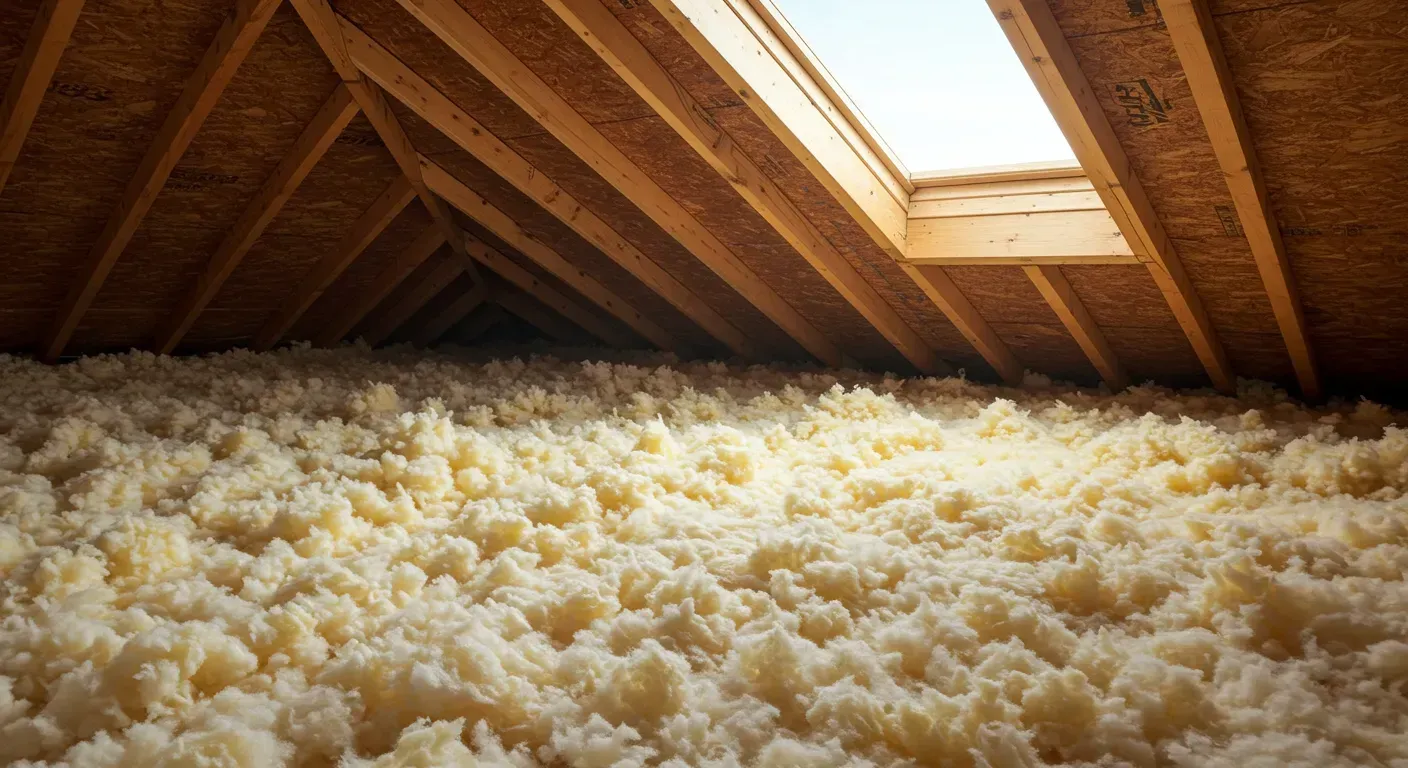

Improving a building's heating and cooling performance in Leander starts with creating an airtight seal. High-quality spray foam insulation prevents outside air from leaking inside and stops conditioned air from escaping through the roof or walls. This method allows heating and cooling systems to work less, which extends their life and lowers monthly energy bills for property owners. Ultimately, these seals provide the foundation for optimized HVAC performance.
This guide provides a detailed look at how modern insulation materials improve indoor comfort and building durability. Readers will find practical information on material choices and application methods that work best in the Central Texas climate. With over a decade of industry experience, the following details offer clear steps for those looking to improve their property's energy performance.
Enhancing Air Conditioner Performance Through Airtight Sealing
Air conditioners in Texas often struggle to keep up with high summer temperatures when a building has air leaks. Standard materials like fiberglass often let air pass through small gaps, but spray foam services solve this by expanding to fill every crack. When a building is sealed tightly, the air conditioner does not have to run as often to keep the rooms cool.

Reducing the workload on an HVAC unit means fewer repairs and a longer lifespan for the equipment. Most units fail because they stay on for too long without a break during the hottest parts of the day. A well-sealed attic keeps the temperature near the ductwork much lower, which helps the air inside the pipes stay cold until it reaches the vents.
Selecting the Right Material for Texas Weather
Choosing between open-cell and closed-cell materials depends on the specific needs of the structure and the local environment. Open cell options are often lighter and provide excellent sound dampening, making them a popular choice for residential attics in Leander. Closed-cell options are denser and provide more structural strength while acting as a barrier against moisture.
Local spray foam experts recommend evaluating the building's frame before choosing a material. Each type has a different R-value, which measures how well the material resists heat flow. Higher R-values per inch mean the material is better at stopping heat from moving through the walls or roof of the building.
Residential Attic Applications
Attics are the primary source of heat gain in many Leander homes because the sun beats down on the roof all day. Applying open-cell insulation directly to the underside of the roof deck creates a conditioned attic space. This move keeps the attic temperature within a few degrees of the rest of the house, protecting stored items and HVAC equipment.
Commercial Building Benefits
Commercial properties with large open spaces often face high utility costs due to vast roof areas. A professional spray foam company can apply a thick layer of closed-cell insulation to large warehouses or office ceilings to stabilize the internal climate. This creates a more comfortable environment for employees and customers while keeping overhead costs manageable.
Bonus Tips for Material Selection
When looking at different products, property owners should check the fire rating and the expansion rate. Some products expand more quickly, which is better for filling large cavities in wall frames. It is also wise to ask the installer about the cure time to ensure the building is ready for use shortly after the application.
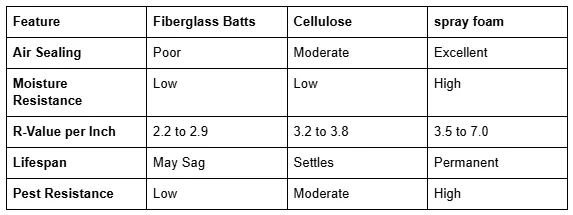
Technical Comparisons of Insulation Materials
The following table compares different products to determine which offers the best return on investment. These metrics explain why many property owners are moving toward modern expanding materials to achieve superior long-term results in the Texas heat.
Understanding Heat Flow in Central Texas
Heat moves from hot areas to cold areas through walls, windows, and roofs. In Leander, the intense sun makes the outside of a building much hotter than the inside for many months. Using a professional spray foam contractor ensures that this heat flow is stopped at the source by providing a continuous thermal break.
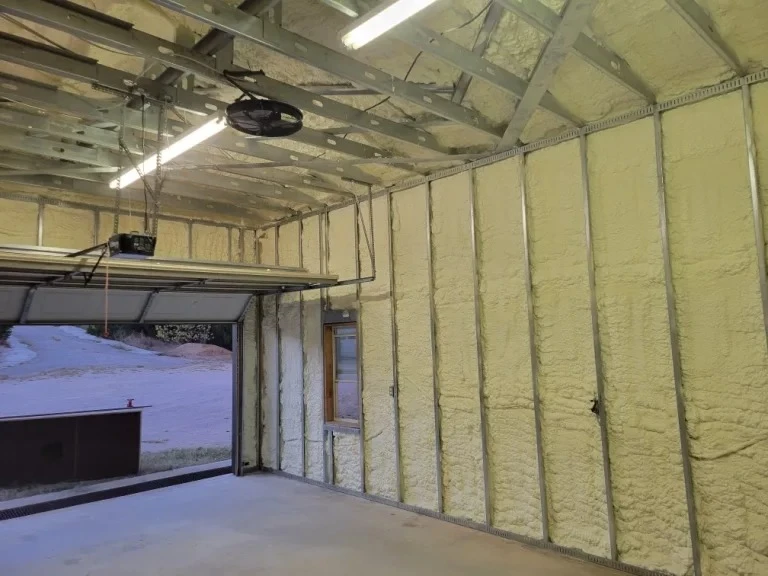
Standard insulation often has gaps at the studs or around electrical outlets. These gaps act like small chimneys that let heat pour into the living space. Expanding foam fills these gaps completely, leaving no room for air to move. This level of detail is what separates a high-performing building from a standard one.
Preventing Moisture and Mold Issues
Humidity is a major factor in Texas, and it can cause mold if it gets trapped inside walls. Closed-cell materials act as a vapor barrier, which keeps moisture from reaching the wood framing of a house. This protection is vital for maintaining the structural integrity of the property over several decades.
Improving Indoor Air Quality
A tight seal does more than just save money; it also keeps dust, pollen, and outdoor pollutants outside. People with allergies often notice an improvement in their symptoms after sealing their homes. Because the air conditioner runs less, the filters also stay cleaner for a longer period of time.

Bonus Tips for Better Air Quality
Always ensure that the building has proper ventilation after sealing it tightly. While stopping leaks is beneficial, a home still needs a way to exchange stale air for fresh air. An HVAC professional can install a small fresh air intake to work with the new insulation for the best results.
Things to Consider Before Making a Decision
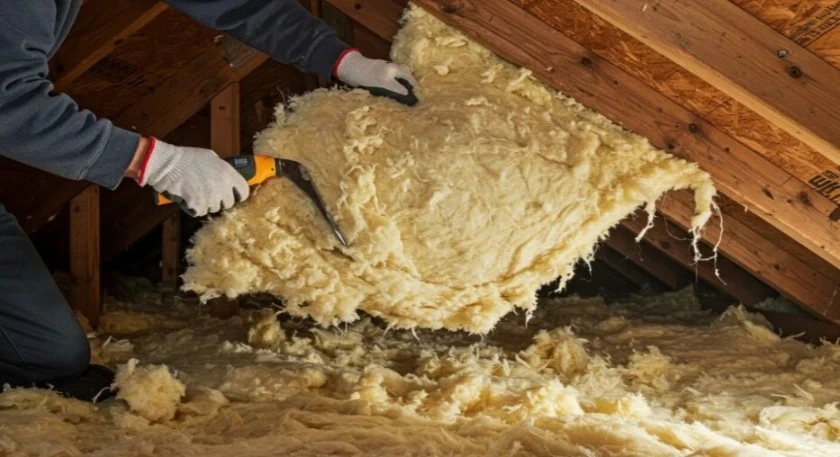
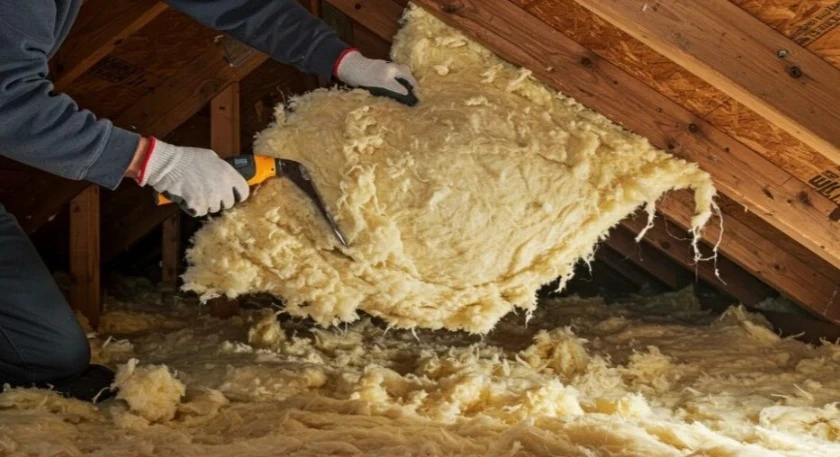
- Building Age: Older homes may need existing insulation removed before a new application can begin.
- Accessibility: Some areas, like tight crawl spaces or narrow wall cavities, are easier to reach with expanding foam than with blankets.
- Ventilation Needs: A tighter house might require an adjustment to the ventilation system to ensure air does not become stagnant.
- Installation Time: Most residential projects take one to two days, but larger commercial jobs might take longer.
- Budget: While the initial cost may be higher than traditional options, the monthly savings on power bills usually cover the difference within a few years.
Common Questions About Building Insulation
How long does the insulation last once it is installed?
Modern expanding foam is designed to last for the life of the building. It does not sag, settle, or shrink over time like fiberglass or cellulose often does. This means the energy savings stay consistent year after year without the need for top-offs or replacements.
Does the material have a strong smell after application?
There is a brief period during the curing process where a smell is present. However, most residents can return to their homes within 24 hours once the material has fully hardened and the area has been aired out. Professional installers use high-powered fans to clear the air quickly.
Can this be installed in an existing home?
Yes, it is very common to retrofit older homes with new insulation. It can be sprayed into attics or applied in crawl spaces. For walls, some methods allow for small holes to be drilled so the foam can be injected without removing the drywall.
Will it help with outside noise?
Expanding foam is excellent at reducing noise from traffic, sirens, and neighbors. The thick layer of material absorbs sound waves instead of letting them pass through the walls. This creates a much quieter and more peaceful indoor environment.
Is it safe for the building structure?
The material is lightweight and does not add significant weight to the roof or walls. In fact, closed-cell foam can actually increase the strength of the walls by bonding the studs and the exterior sheathing together. This makes the building more resistant to high winds.
Additional Support for Local Buildings
Local building codes in Leander require certain R-values for new construction. Using a qualified team ensures that all work meets or exceeds these local standards. This is important for both safety and for maintaining the resale value of the property in the future.
Final Thoughts on Building Performance
Upgrading a building's thermal envelope is one of the most effective ways to lower energy costs and improve comfort. By stopping air leaks and resisting heat flow, property owners can enjoy a more stable indoor climate regardless of the weather in Leander. It is important to look at the long-term benefits of durability and system protection when choosing insulation materials. Property owners should evaluate their current energy bills and attic temperatures to see if their building is a candidate for an upgrade.
Take the Next Step Toward Efficiency
For those interested in improving their property, reaching out to a local expert is a great way to start. Spray Foam Tech provides expert guidance and professional installation for various types of buildings. They can help determine the best material for a specific project and provide a clear plan for the installation. To learn more about their services or to schedule a visit, contact them at (737) 777-9590 or send an email to [email protected]. Working with a dedicated team ensures the job is done right for long-term success.
Reviewer: Maria Lopez reviewed the article and brought 12 years of insulation industry experience to improve the guidance. Practical tips were added, and the content was made clearer and more useful for contractors working in the field every day.


























Sign in to leave a comment.