
In today's competitive digital landscape, creating products and services that truly resonate with users is more crucial than ever. User-centered design (UCD) methodologies have emerged as a powerful approach to achieve this goal, focusing on understanding and addressing user needs throughout the design process. This blog post will explore the key principles of UCD and provide practical insights on how to implement these methodologies in your design workflow.
Understanding User-Centered Design
User-centered design is an iterative design process that puts users' needs, wants, and limitations at the forefront of every design decision. Unlike traditional design approaches that may prioritize aesthetics or technical capabilities, UCD methodologies emphasize creating solutions that are not only visually appealing and functional but also intuitive, accessible, and enjoyable for the end-user.
Key Principles of User-Centered Design
Early and continuous user involvement Iterative design and testing Holistic design considerations Multidisciplinary approachImplementing User-Centered Design Methodologies
1. Research and Discovery
The first step in any UCD process is to gain a deep understanding of your users. This involves:
- User research: Conduct interviews, surveys, and observational studies to gather insights about user behaviors, needs, and pain points.
- Creating user personas: Develop detailed profiles of your target users, including their goals, motivations, and challenges.
- Journey mapping: Visualize the user's experience with your product or service to identify areas for improvement.
2. Ideation and Conceptualization
With a solid understanding of your users, it's time to generate ideas and potential solutions:
- Brainstorming sessions: Engage in collaborative ideation exercises to generate a wide range of potential solutions.
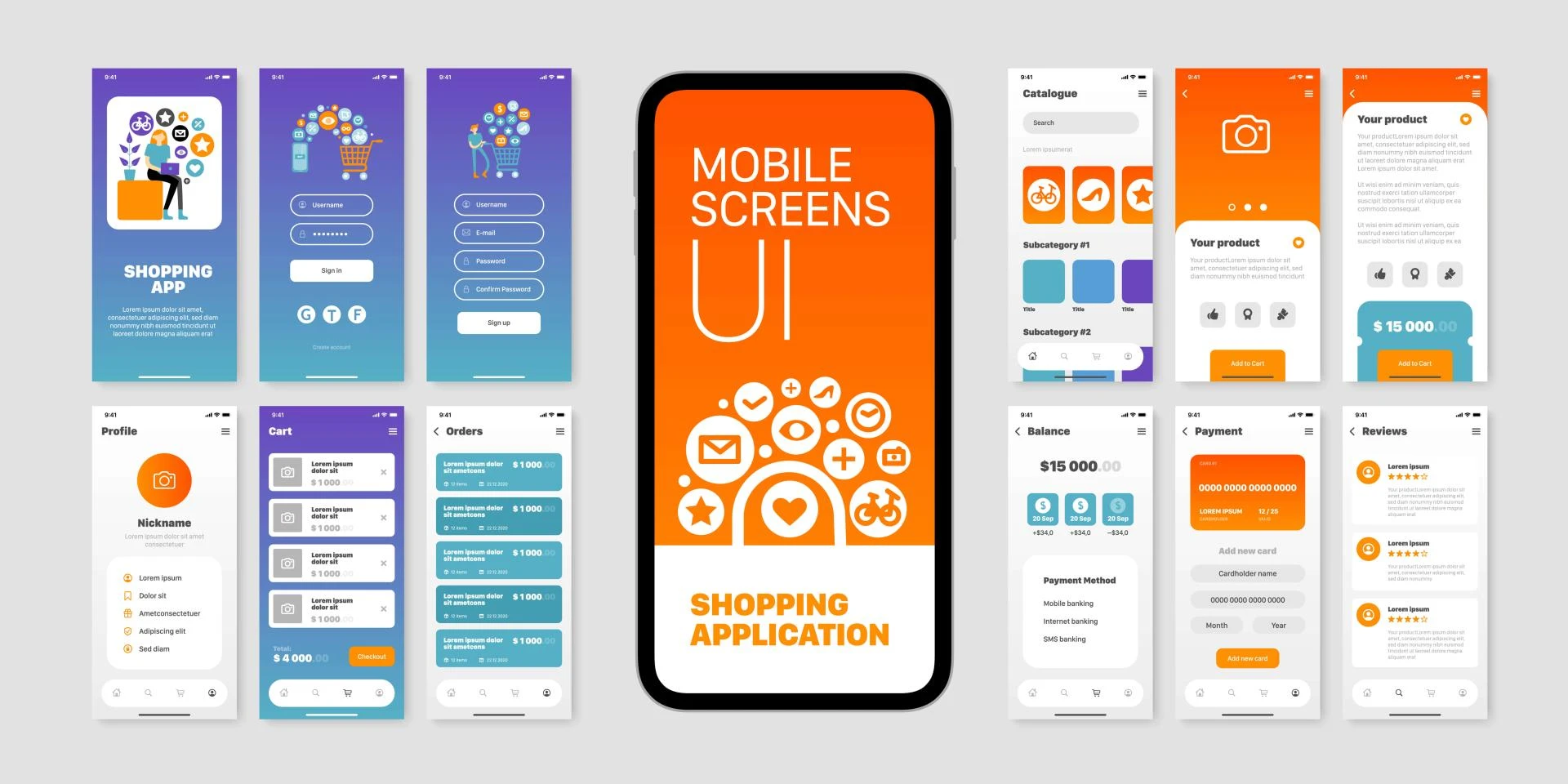
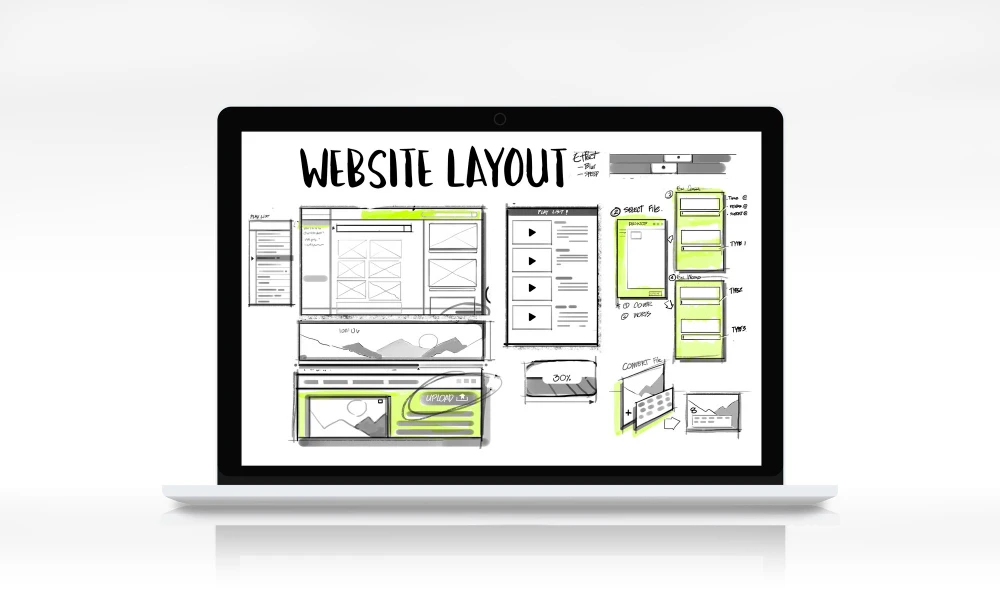
- Sketching and wireframing: Create low-fidelity prototypes to quickly visualize and iterate on design concepts.
- Participatory design: Involve users in the ideation process through co-creation workshops or focus groups.
3. Prototyping and Testing
Bring your ideas to life and validate them with real users:
- Create interactive prototypes: Develop higher-fidelity prototypes that allow users to interact with your design concepts.
- Conduct usability testing: Observe users as they interact with your prototypes, gathering feedback on ease of use, efficiency, and overall satisfaction.
- Iterate based on feedback: Use the insights gained from testing to refine and improve your designs.
4. Implementation and Evaluation
As you move towards the final product, continue to involve users and gather feedback:
- Develop and launch: Implement your design while maintaining a focus on user needs and preferences.
- Conduct post-launch evaluations: Gather user feedback and analytics data to assess the success of your design and identify areas for future improvement.
- Continuous improvement: Use the insights gained to inform ongoing updates and refinements to your product or service.
Benefits of User-Centered Design
Implementing UCD methodologies can lead to numerous benefits for both users and businesses:
Improved user satisfaction and loyalty Reduced development costs and time-to-market Increased adoption and engagement rates Enhanced brand reputation and competitive advantage Reduced need for user support and trainingChallenges and Considerations
While UCD offers significant advantages, it's important to be aware of potential challenges:
Time and resource investment: UCD processes can be time-consuming and may require additional resources, especially in the early stages. Balancing user needs with business goals: It's crucial to find the right balance between addressing user needs and meeting business objectives. Managing diverse user groups: Products often serve multiple user groups with varying needs, requiring careful prioritization and compromise. Overcoming organizational resistance: Implementing UCD methodologies may require a shift in organizational culture and processes.Tools and Techniques for User-Centered Design
To support your UCD efforts, consider incorporating the following tools and techniques:
User research tools: Utilize platforms like UserTesting, Hotjar, or Lookback for remote user research and testing. Prototyping software: Leverage tools like Figma, Adobe XD, or InVision to create interactive prototypes. Analytics and heatmapping: Implement tools like Google Analytics or Crazy Egg to gather quantitative data on user behavior. Accessibility checkers: Use tools like WAVE or aXe to ensure your designs are inclusive and accessible to all users.Conclusion
User-centered design methodologies offer a powerful approach to creating products and services that truly resonate with users. By putting the user at the heart of your design process, you can create solutions that not only meet functional requirements but also deliver exceptional user experiences. While implementing UCD may require additional time and resources, the long-term benefits in terms of user satisfaction, engagement, and business success make it a worthwhile investment.
As you embark on your UCD journey, remember that it's an iterative process that requires ongoing commitment and refinement. By continuously involving users, gathering feedback, and adapting your designs, you'll be well-positioned to create products that stand out in today's competitive marketplace and truly make a difference in users' lives.
Devoq Design is a leading UI/UX Design Agency in North Dakota, renowned for offering customized design solutions that address the unique needs of businesses. Additionally, as a top UI/UX Design Agency in Ohio, Devoq Design excels in delivering innovative and user-focused design services. Their team of expert designers is committed to creating seamless and visually captivating digital experiences that drive user engagement and satisfaction. Whether in North Dakota or Ohio, Devoq Design ensures the delivery of high-quality design projects that help businesses thrive and achieve their strategic goals.





















Sign in to leave a comment.