
In today's competitive market, creating a product that stands out requires more than just a great idea; it necessitates a deep understanding of your users. User-centric design is an approach that prioritizes the needs, preferences, and behaviors of the end-users at every stage of the design process. By putting your audience first, you ensure that the final product is not only functional but also meaningful and engaging.
Understanding User-Centric Design
User-centric design, also known as user-centered design (UCD), is a philosophy and a process where the needs, wants, and limitations of the end-users of a product are given extensive attention at each stage of the design process. This approach involves users throughout the development process via a variety of research and design techniques, ensuring that the final product is tailored to their expectations and provides a satisfying user experience (UX).
The Principles of User-Centric Design
Empathy: Understanding the user's needs and perspectives. Empathy is the cornerstone of user-centric design. By putting yourself in the users' shoes, you can gain insights into their motivations, challenges, and preferences. This understanding informs all design decisions and helps create products that resonate with users.Involvement: Engaging users early and often. User-centric design involves users from the very beginning of the design process and continues to seek their input and feedback throughout. Techniques such as user interviews, surveys, usability testing, and field studies provide valuable insights that guide the design.
Iteration: Continuous improvement through feedback. Design is an iterative process. By creating prototypes and testing them with users, designers can gather feedback and make necessary adjustments. This cycle of prototyping, testing, and refining ensures that the final product meets user needs effectively.Accessibility: Ensuring inclusivity and accessibility. A user-centric approach considers the diverse abilities and backgrounds of users. Designing for accessibility means creating products that are usable by people with varying levels of ability, including those with disabilities. This not only broadens the user base but also aligns with ethical standards and legal requirements.
Usability: Focusing on ease of use and efficiency. A user-centric design prioritizes usability, ensuring that the product is intuitive and easy to use. This involves simplifying navigation, minimizing the learning curve, and ensuring that users can achieve their goals with minimal effort and confusion.
The Process of User-Centric Design
Research and Discovery: The first step in user-centric design is to gather information about the users and the context in which they will use the product. This includes understanding their goals, challenges, and behaviors through methods like user interviews, surveys, and ethnographic studies.Define and Ideate: Based on the research, define the user personas, scenarios, and use cases. Ideation involves brainstorming and generating a wide range of ideas and solutions that address the identified user needs and problems.
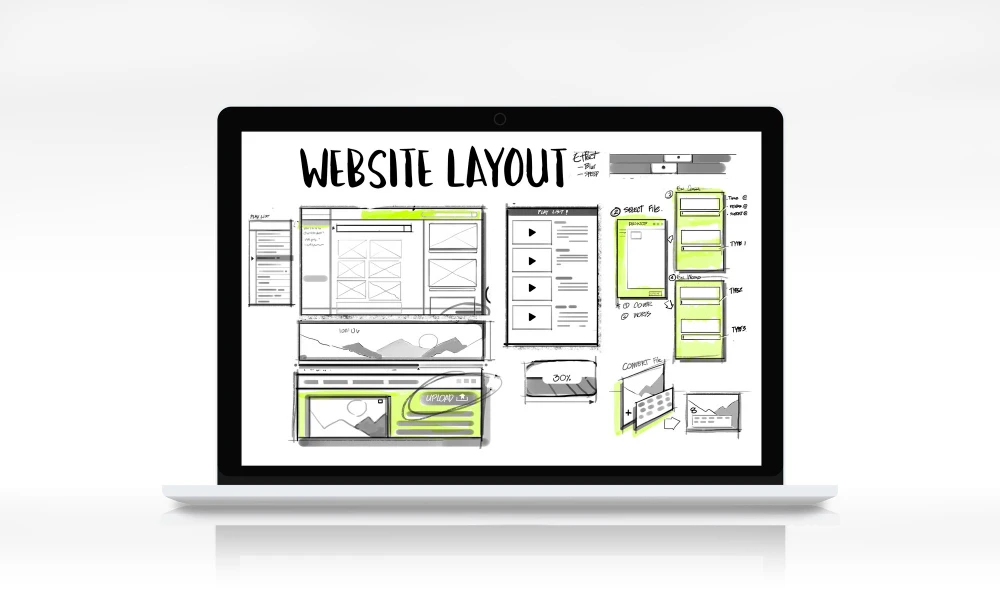
Prototype and Test: Create prototypes of varying fidelity, from simple sketches to interactive models, and test them with users. Collect feedback to identify areas for improvement. This step is iterative, with multiple rounds of prototyping and testing.
Design and Develop: Once a prototype has been refined through user testing, move on to detailed design and development. This phase involves creating the final visual design, developing the product, and conducting usability testing to ensure it meets user expectations.
Launch and Monitor: After development, launch the product and monitor its performance. Collect user feedback, analyze usage data, and continue to make improvements based on user interactions and feedback.
Benefits of User-Centric Design
Enhanced User Satisfaction: Products designed with a user-centric approach are more likely to meet user needs, leading to higher satisfaction and loyalty.Reduced Development Costs: By identifying and addressing usability issues early in the design process, organizations can avoid costly redesigns and modifications later.Increased Accessibility: Designing with diverse users in mind ensures that products are accessible to a broader audience.Competitive Advantage: A strong user experience can differentiate a product in the market, giving it a competitive edge.Conclusion
User-centric design is a powerful approach that places the user at the heart of the design process. By empathizing with users, involving them throughout the design journey, and iterating based on their feedback, designers can create products that are not only functional and efficient but also delightful and meaningful. In a world where user experience is paramount, putting your audience first is the key to creating successful, impactful products.
Visit my Upwork project catalog : Elementor Developer






















Sign in to leave a comment.