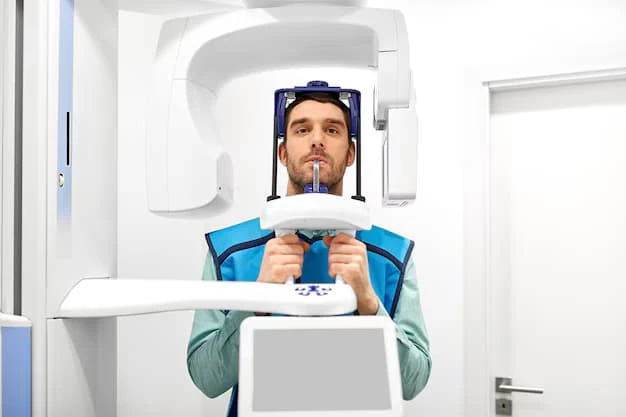

Modern dental care continues to advance, giving patients access to diagnostic tools that provide clearer, faster, and more accurate results. One of the most valuable technologies used today is the CBCT scan, a specialized type of imaging that produces highly detailed 3D views of the teeth, jaws, facial bones, and surrounding structures. Unlike traditional dental X-rays, which provide only two-dimensional images, this scan captures a full picture from multiple angles, allowing dental professionals to examine areas that were previously difficult to evaluate.
Many people are familiar with standard dental X-rays, but they may not realize how much more information a dentist can gather using this advanced imaging method. Understanding what a CBCT scan shows and why it is recommended can help you feel more informed and confident during your dental visits.
A Clear View of Teeth and Bone Structure
A CBCT scan offers an incredibly detailed look at both the teeth and the bone that surrounds them. This level of visualization is significantly more precise than conventional imaging.
1. Tooth Alignment and Position
The scan reveals the exact position of each tooth, including those that have not fully emerged or are impacted. Dentists often use this information to plan orthodontic treatments or assess crowded or misaligned teeth.
2. Bone Density and Quality
One of the key capabilities of a CBCT scan is its ability to measure bone thickness, density, and shape. This information is essential when evaluating bone health or planning procedures that depend on strong support from the jawbone.
3. Root Structure and Canal Shape
Because the scan produces three-dimensional images, dentists can view the roots of the teeth from every angle. This helps them identify root curvature, extra canals, or abnormalities that may not be visible on 2D X-rays. This is especially important in endodontic treatments, where precision is critical.
Detailed View of the Jaw Joints and Airway
Another major advantage of this scan is its ability to capture surrounding anatomical structures, not just the teeth.
1. Temporomandibular Joint (TMJ) Evaluation
The jaw joints play a vital role in chewing, speaking, and overall comfort. A CBCT scan gives a clear image of the joint position, shape, and movement. This helps dentists diagnose issues such as joint disorders, structural problems, or inflammation.
2. Sinus and Airway Analysis
The scan can also show the nasal cavity and airway passages. This is valuable when a patient experiences breathing difficulties, recurrent sinus problems, or when planning surgeries near the sinus area. The detailed airway assessment is also useful for patients being evaluated for sleep-related breathing disorders.
Precise Planning for Advanced Dental Procedures
One major reason dentists recommend a CBCT scan is its value in treatment planning. Procedures that require accuracy and careful evaluation benefit greatly from detailed 3D imaging.
1. Dental Implant Planning
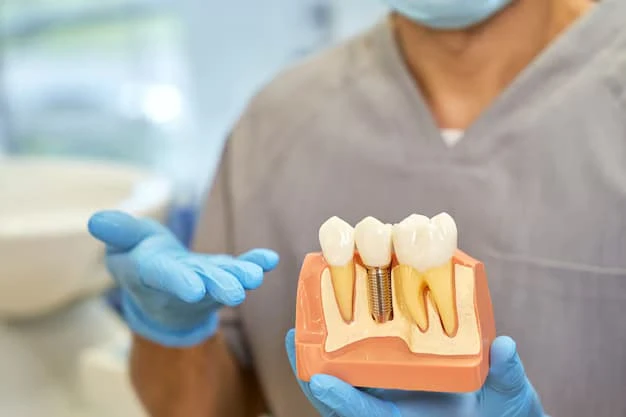
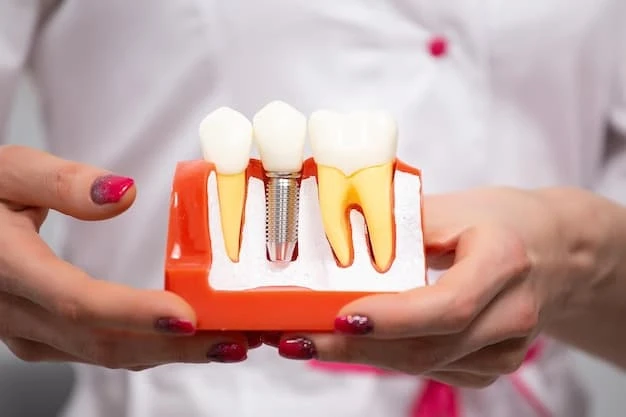
Placing an implant requires exact measurements and proper positioning. A CBCT scan provides all the essential details, including:
- Bone thickness and height
- Proximity to nerves or sinuses
- Implant angle and depth requirements
This ensures safer placement and reduces the likelihood of complications.
2. Wisdom Tooth Removal
Some wisdom teeth grow at unusual angles or close to important nerves. The scan helps the dentist see the exact location of the roots and their relationship to surrounding nerves. This helps predict difficulty, reduce risks, and create a safer surgical plan.
3. Root Canal Treatments
When a tooth has unusual root anatomy or when infection spreads beyond the root tip, a CBCT scan can reveal hidden details that help guide treatment. It helps locate blocked canals, fractures, and areas of infection, allowing for a more successful outcome.
4. Orthodontic Assessment
Orthodontists often rely on CBCT imaging when planning complex cases. The 3D view allows them to assess:
- Jaw alignment
- Tooth positions
- Airway space
- Bone structure
This provides a more comprehensive plan for braces or aligner treatment.
Detection of Issues That May Be Missed on Traditional X-Rays
Even though traditional dental X-rays are useful for routine exams, they cannot reveal certain conditions. A CBCT scan can detect hidden issues such as:
- Early bone loss
- Fractures in the teeth or jaw
- Cysts, growths, or abnormalities
- Impacted teeth that are not easily visible
- Infection spreading to deeper structures
Detecting these concerns early allows for timely treatment, preventing more serious problems in the future.
Lower Radiation Compared to Traditional CT Scans
Some patients worry about radiation exposure when told they need a scan. The good news is that a CBCT scan uses significantly lower radiation than a standard medical CT scan. While it does use more radiation than small dental X-rays, it remains well within a safe range. In fact, the exposure is designed to be as low as reasonably achievable while still providing high-quality imaging.
Dental professionals recommend the scan only when the benefits outweigh the exposure, and they adjust the settings based on each patient’s needs. The detailed information gathered from this single scan often eliminates the need for multiple traditional X-rays.
Quick, Comfortable, and Non-Invasive Procedure
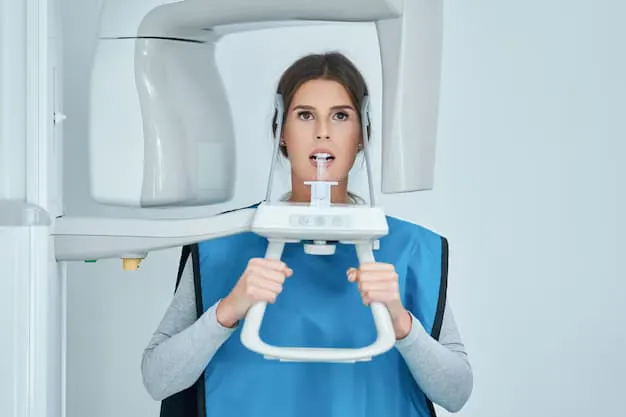
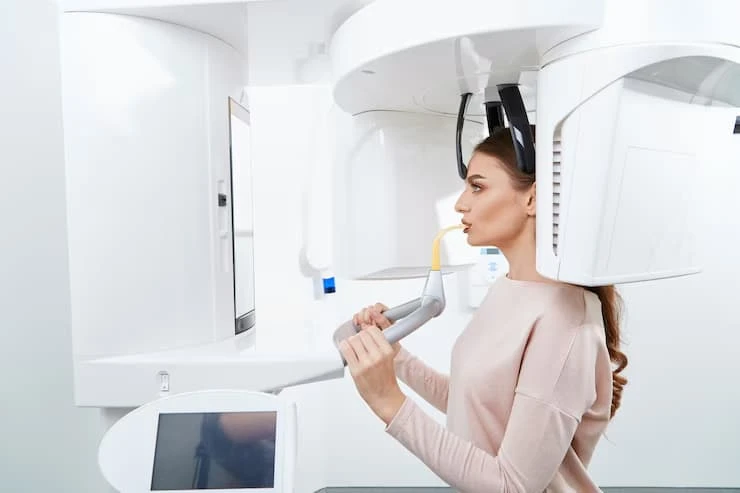
The process of getting a CBCT scan is simple and painless. It usually takes less than a minute from start to finish.
Here is what typically happens:
- You stand or sit still in the machine.
- The machine rotates around your head without touching you.
- Images are captured from multiple angles.
- The dentist reviews the 3D model created by the scan.
There are no injections, no pressure, and no discomfort. Because it is fast, it is also convenient for people with busy schedules.
Why Dentists Recommend It
A dentist recommends a CBCT scan when they need an in-depth understanding of your dental and facial structures. The scan supports better diagnosis, clearer treatment planning, and safer procedures. It helps dental professionals see the full picture rather than relying on limited 2D images.
Dentists may suggest the scan for reasons such as:
- Preparing for implants or surgery
- Evaluating jaw joint problems
- Investigating unexplained pain
- Assessing impacted teeth
- Planning orthodontic treatment
- Diagnosing infections or abnormalities
Because of the accuracy and clarity it provides, the scan is becoming a standard part of advanced dental care.
Final Thoughts
A CBCT scan is a powerful diagnostic tool that offers a complete view of your dental and facial structures. Its ability to capture detailed 3D images allows dentists to provide safer, more accurate, and more predictable treatments. Whether you are preparing for a complex procedure or seeking clarity about a dental issue, this advanced imaging method gives both patients and dental professionals the confidence needed for successful treatment planning.





























Sign in to leave a comment.