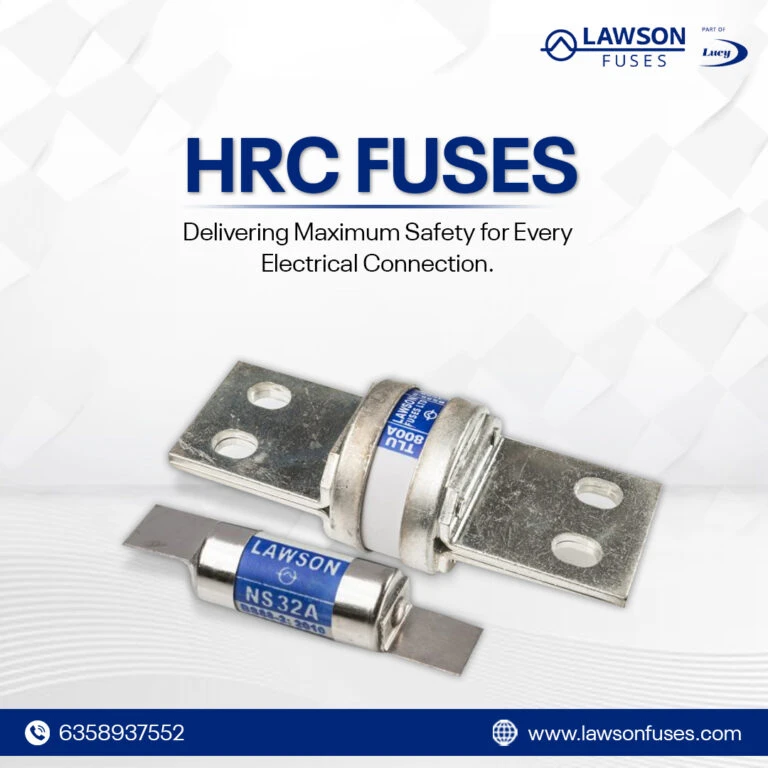

Electrical safety is one of the most important considerations in any industrial or domestic setup. Among the wide range of protective devices available today, HRC fuses (High Rupturing Capacity fuses) have become the gold standard for efficient circuit protection. They are widely trusted for their ability to safely interrupt fault currents without causing damage to electrical systems or components.
In this comprehensive guide, we’ll understand what HRC fuses are, how they work, their types, construction, and why they are essential in modern power systems.
Understanding HRC Fuses
HRC fuses are protective electrical devices designed to protect equipment from excessive fault currents or overloads. The term “High Rupturing Capacity” refers to the fuse’s capability to safely break extremely high current levels without producing dangerous arcing or explosion.
Unlike ordinary fuses that might fail under very high current conditions, HRC fuses contain materials capable of absorbing and controlling the intense heat generated during fault conditions. This ensures the circuit is interrupted swiftly and safely, maintaining both efficiency and reliability.
Construction of HRC Fuses
An HRC fuse consists of a few key components, each designed for reliable performance under heavy electrical conditions. These include:
- Fuse element: Made of silver or copper, the element is engineered to melt and break during overload conditions.
- Fuse body: Usually ceramic, the body withstands high temperatures and provides mechanical strength.
- Filler material: Often powdered quartz, this material absorbs the heat and helps in extinguishing the arc.
- End caps: These metallic parts provide electrical connection to the circuit.
The construction ensures that HRC fuses deliver consistent protection even when exposed to harsh operational environments.
Working Principle of HRC Fuses
The working of HRC fuses is based on the heating effect of electric current. Under normal conditions, the current passing through the fuse element produces negligible heat. However, when a fault or short circuit occurs, the current surges far beyond the rated value, heating the fuse element rapidly.
The element melts instantly, and the resulting arc is absorbed by the filler material. The filler converts to a non-conductive substance, extinguishing the arc and isolating the faulty section. This entire process occurs within milliseconds, preventing further damage to the circuit.
Types of HRC Fuses
There are several types of HRC fuses available depending on the application and voltage requirements:
- Cartridge Type HRC Fuse: Commonly used in low‑voltage circuits. Compact and easy to replace.
- NH Type HRC Fuse: Found in medium and high‑power circuits for industrial machinery.
- Blade Type HRC Fuse: Designed for automotive and low‑power electrical systems.
- Liquid Type HRC Fuse: Used in high‑voltage applications, employing an arc‑quenching liquid.
Each fuse type offers specific advantages based on operating environment and load characteristics.
Advantages of Using HRC Fuses
HRC fuses are preferred in modern electrical installations because of their numerous advantages:
- High breaking capacity: They can safely interrupt large fault currents.
- Reliable operation: Precision design ensures consistent performance over years.
- Compact size: Space‑saving design suitable for modern panels.
- Cost‑effective protection: Cheap to replace and require minimal maintenance.
- Enhanced safety: No risk of explosion or secondary fire during fault clearance.
Compared to circuit breakers or rewirable fuses, HRC fuses offer faster response times and lower maintenance costs.
Applications of HRC Fuses
Due to their excellent protection capabilities, HRC fuses are used across a wide range of industries and applications:
- Industrial plants: For motor and transformer protection.
- Power distribution systems: Ensure network safety at various stages.
- Automotive industry: Protect low‑voltage circuits in vehicles.
- Commercial and residential setups: Safeguard sensitive electrical appliances.
- Renewable energy systems: Used in solar and wind installations to prevent overload.
These applications show the versatility and dependability of HRC fuses under different electrical conditions.
Comparison: HRC Fuses vs Conventional Fuses
When compared with standard fuse types, HRC fuses clearly outperform in terms of reliability and performance. Conventional fuses often fail to handle high fault currents effectively, sometimes leading to accidents or system damage.
In contrast, HRC fuses offer predictable and precise behavior, ensuring early fault detection and isolation. Their ability to handle intense energy without initiating dangerous arcs makes them ideal for high‑demand applications. Moreover, the uniform melting characteristics of HRC fuses provide better consistency and safety.
Maintenance and Testing of HRC Fuses
Although HRC fuses require minimal maintenance, regular inspection ensures optimal performance:
- Check for signs of overheating or discoloration.
- Verify that fuse ratings match the circuit load.
- Replace blown fuses with identical ratings and manufacturer specifications.
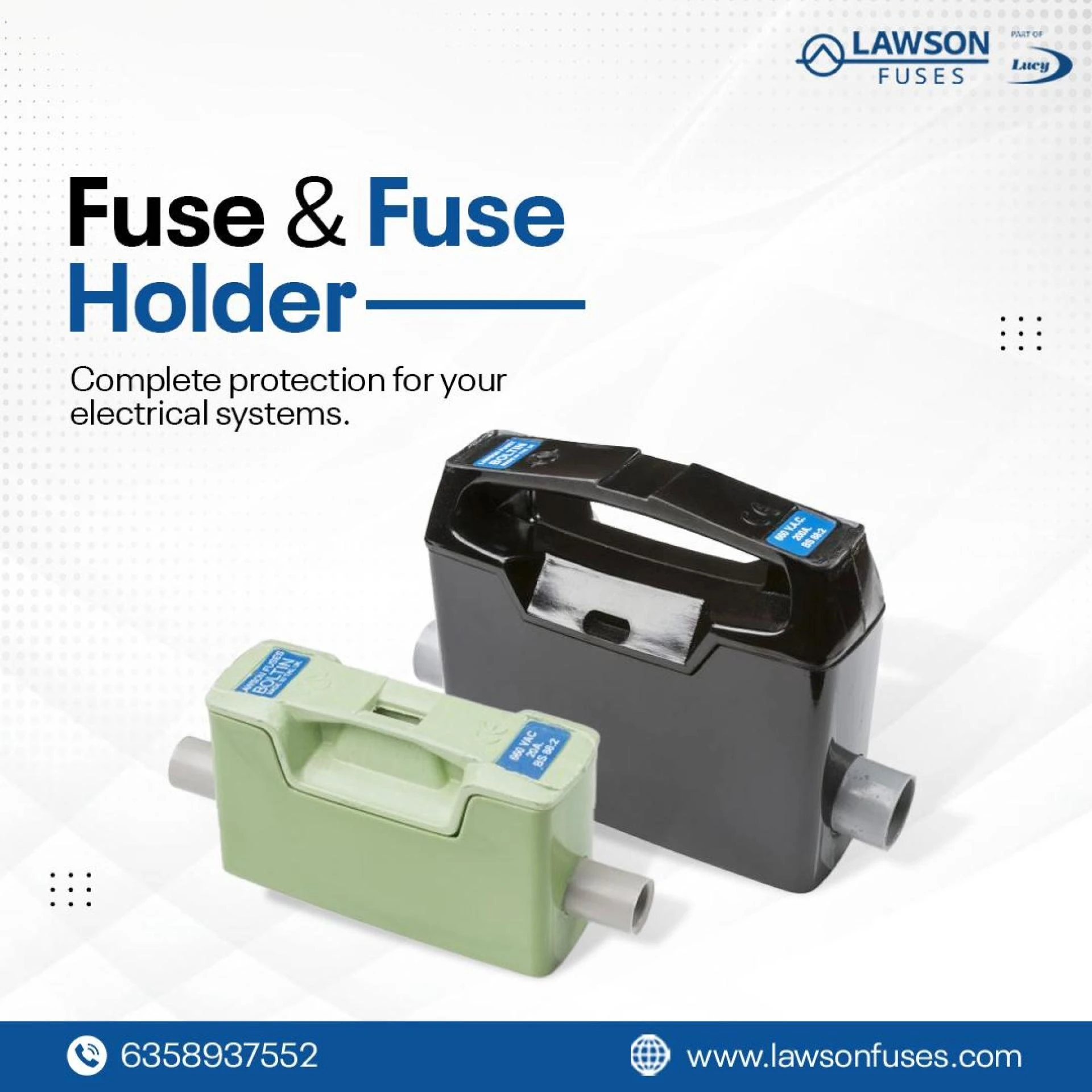
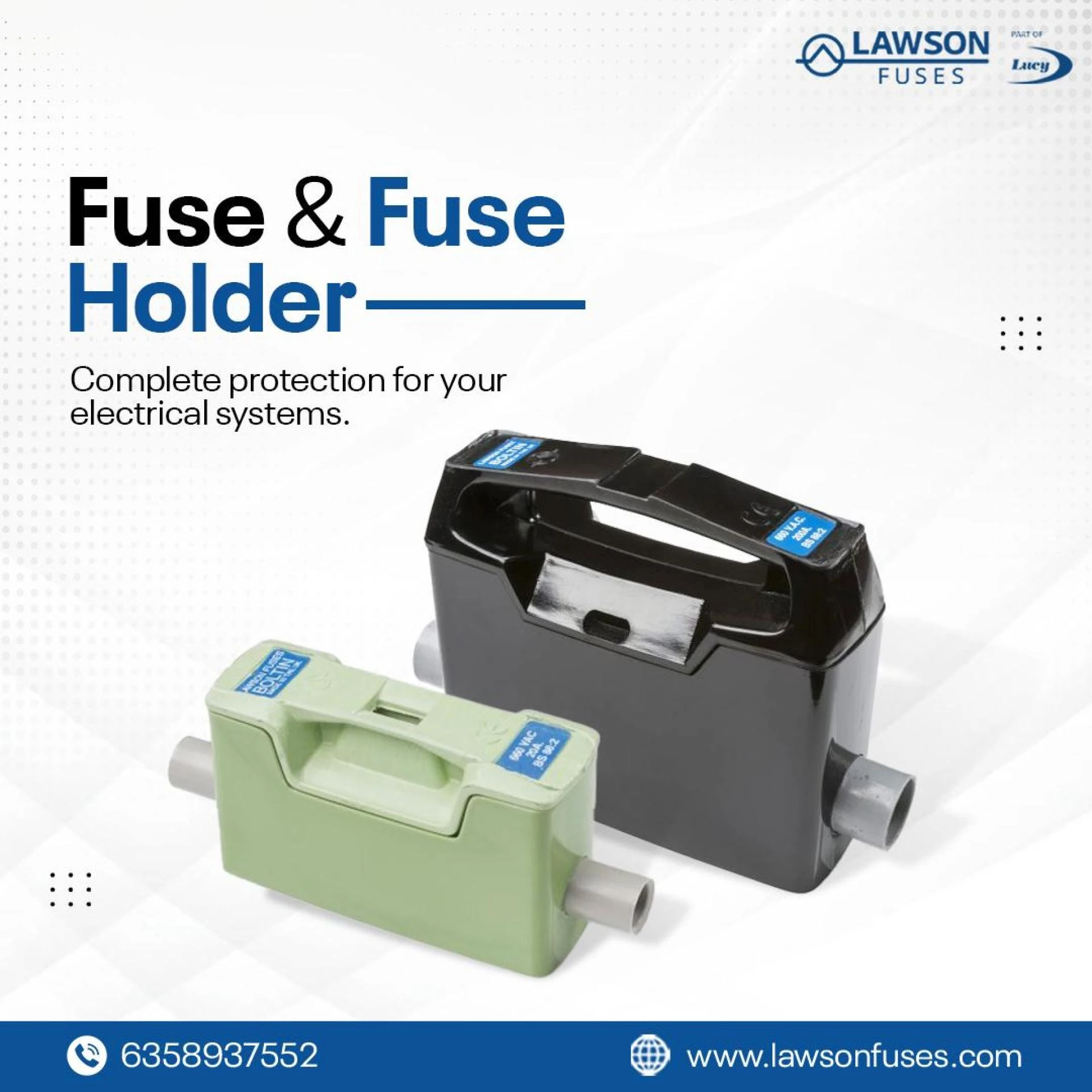
- Keep fuse holders clean and tightly connected.
Testing can be performed using continuity testers or fuse analyzers to confirm functionality before installation.
Regular checks help prevent false operation and extend equipment life.
Future Trends in HRC Fuse Technology
With the rise of renewable energy and electric vehicles, HRC fuses are evolving to meet modern demands. Manufacturers are developing eco‑friendly designs with improved current‑limiting properties and temperature stability. Smart monitoring systems are also being integrated to detect and notify users of fuse failure in real time.
As electrical networks become more complex, HRC fuses will continue to play a vital role in ensuring safe, efficient energy distribution in both industrial and commercial sectors.
Final Thoughts
HRC fuses remain one of the most trusted and efficient protective devices in electrical engineering. Their high breaking capacity, reliability, and compact design make them essential for safeguarding circuits from potential hazards. Whether you are designing an industrial power system or securing a residential circuit, selecting the proper HRC fuses ensures maximum safety and performance.
Embracing this proven protection technology can save both equipment and operational costs while promoting safer electrical practices across industries.
For More Details: Lawson Fuse


























Sign in to leave a comment.