
Lifting slings are an essential part of many lifting and material handling operations across a wide range of industries. They are used to securely lift, move, and position loads that are too heavy, awkward, or unsafe to handle manually. From construction sites and warehouses to manufacturing plants and maintenance facilities, lifting slings play a vital role in ensuring that loads are lifted safely and efficiently. Understanding what lifting slings are, how they work, and why they are important helps improve safety, reduce equipment damage, and support smoother workplace operations.
Understanding What Lifting Slings Are
Lifting slings are flexible lifting accessories designed to connect a load to lifting equipment such as cranes, hoists, or forklifts. They are manufactured in different materials, lengths, and configurations to suit various lifting tasks and load types. Lifting slings distribute the weight of a load evenly, reducing stress on individual lifting points and providing greater control during lifting operations.
The Purpose of Lifting Slings
The main purpose of lifting slings is to create a secure connection between the load and the lifting machine. By supporting the load correctly, lifting slings help prevent slipping, shifting, or dropping during lifting. They also allow loads to be lifted from different angles, making it easier to handle irregular shapes or uneven weight distribution.
Where Lifting Slings Are Commonly Used
Lifting slings are used in many environments, including construction sites for lifting building materials, warehouses for handling pallets and machinery, manufacturing facilities for moving components, and ports for loading and unloading cargo. Their versatility makes them suitable for both light duty and heavy duty lifting tasks.
Types of Lifting Slings
There are several types of lifting slings available, each designed for specific applications. Choosing the correct type is critical for safe and efficient lifting.
Chain Slings
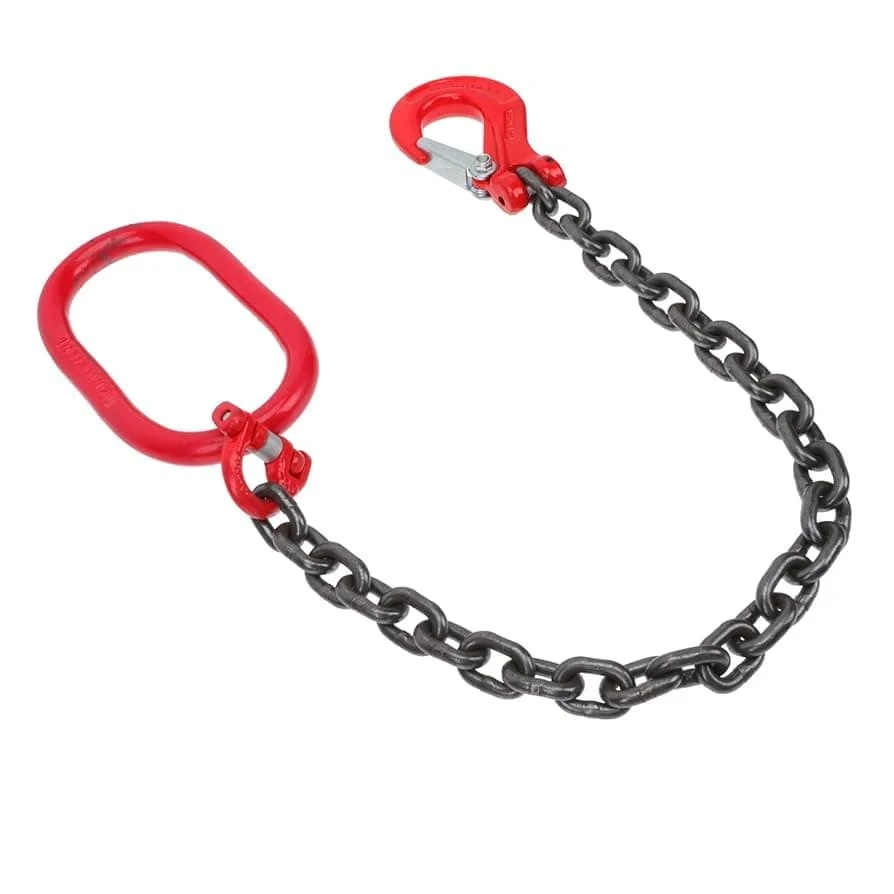
Chain slings are made from high strength steel chains and are commonly used for heavy lifting tasks. They are highly durable and resistant to abrasion, heat, and sharp edges. Chain slings are often used in construction and industrial environments where loads are rough or exposed to harsh conditions.
Wire Rope Slings
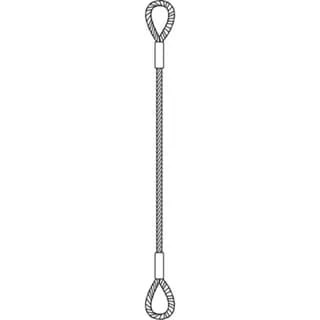
Wire rope slings are constructed from steel wire strands twisted together to form a strong and flexible lifting solution. They are suitable for lifting heavy loads and are commonly used in engineering, shipping, and offshore applications. Wire rope slings offer good resistance to heat and wear but require regular inspection to identify broken wires or corrosion.
Webbing Slings
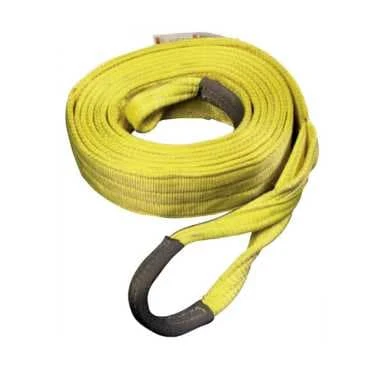
Webbing slings are made from synthetic materials such as polyester. They are lightweight, flexible, and easy to handle. Webbing slings are ideal for lifting delicate or finished loads because they are less likely to cause surface damage. They are commonly used in warehouses and manufacturing environments.
Round Slings
Round slings are made from continuous loops of synthetic yarn enclosed in a protective cover. They provide excellent flexibility and load distribution. Round slings are suitable for lifting loads with smooth surfaces or complex shapes and are often used where protection of the load is important.
How Lifting Slings Work
Lifting slings work by wrapping around or attaching to a load and connecting to lifting equipment through hooks or shackles. When the lifting equipment applies force, the sling supports the load and distributes the weight evenly across its length.
Load Distribution and Balance
Proper load distribution is essential for safe lifting. Lifting slings help balance the load by supporting it at multiple points. This reduces the risk of tilting or swinging during lifting and allows for better control.
Lifting Configurations
Lifting slings can be used in various configurations such as vertical, choker, or basket lifts. Each configuration affects the load capacity and stability of the sling. Understanding the correct configuration ensures the sling is used within its safe working limits.
Importance of Lifting Slings in Workplace Safety
Lifting slings are critical for maintaining safety during lifting operations. Incorrect lifting methods or unsuitable equipment can lead to serious accidents and injuries.
Reducing Manual Handling Risks
One of the key benefits of lifting slings is their ability to reduce manual handling. By allowing loads to be lifted mechanically, lifting slings help minimise the risk of back injuries, strains, and other musculoskeletal disorders among workers.
Preventing Load Damage and Accidents
Properly selected and used lifting slings help prevent loads from slipping or falling. This protects both workers and equipment from harm and reduces the likelihood of costly damage to materials.
Choosing the Right Lifting Slings
Selecting the correct lifting slings is essential for safe and effective lifting. Several factors should be considered before choosing a sling.
Load Weight and Size
The weight and dimensions of the load determine the type and capacity of lifting slings required. Slings must always be rated to handle more than the maximum expected load. Oversized or uneven loads may require multiple slings or specific configurations.
Load Shape and Surface
The shape and surface of the load influence sling selection. Sharp edges may damage synthetic slings, while delicate surfaces may require softer materials. Choosing the right sling material helps protect both the load and the sling.
Working Environment
Environmental conditions such as temperature, moisture, and exposure to chemicals affect sling performance. Some lifting slings are better suited to harsh environments, while others are designed for clean and controlled settings.
Inspection and Maintenance of Lifting Slings
Regular inspection and maintenance are essential to ensure lifting slings remain safe to use.
Pre Use Inspections
Lifting slings should be visually inspected before each use. Checks should include looking for cuts, fraying, corrosion, broken wires, or damaged fittings. Any sling showing signs of damage should be removed from service immediately.
Periodic Thorough Inspections
In addition to daily checks, lifting slings should undergo periodic thorough inspections by a competent person. These inspections help identify wear or fatigue that may not be visible during routine checks.
Common Causes of Sling Failure
Understanding why lifting slings fail helps prevent accidents and extend equipment lifespan.
Overloading
Using lifting slings beyond their rated capacity is one of the most common causes of failure. Overloading places excessive stress on the sling and can lead to sudden breakage.
Incorrect Use
Using the wrong lifting configuration or attaching slings incorrectly can significantly reduce their capacity. Proper training and clear procedures help prevent misuse.
Lack of Maintenance
Failure to inspect and maintain lifting slings allows small defects to develop into serious hazards. Regular checks and timely replacement are essential for safety.
Training and Competence in Sling Use
Proper training is essential for anyone involved in lifting operations using lifting slings.
Importance of Operator Training
Training ensures that workers understand how to select, inspect, and use lifting slings correctly. Knowledge of load limits, configurations, and safety precautions reduces the risk of accidents.
Promoting Safe Lifting Practices
Encouraging safe practices such as proper planning, clear communication, and correct sling positioning helps create a safer working environment. Workers should feel confident reporting damaged equipment or unsafe conditions.
Role of Lifting Slings in Efficient Operations
Beyond safety, lifting slings contribute to improved efficiency and productivity.
Faster and More Controlled Lifting
Using the right lifting slings allows loads to be lifted quickly and positioned accurately. This reduces downtime and supports smooth workflow.
Versatility Across Applications
The wide range of lifting slings available makes them adaptable to many tasks. This versatility reduces the need for multiple types of lifting equipment and simplifies operations.
Legal and Compliance Considerations
Workplaces must comply with relevant health and safety regulations when using lifting slings.
Meeting Safety Standards
Lifting slings must meet recognised safety standards and be used in accordance with manufacturer guidance. Compliance helps protect workers and reduces the risk of legal consequences.
Record Keeping and Documentation
Maintaining records of inspections, training, and sling usage supports accountability and demonstrates a commitment to safety. These records also help track equipment condition over time.
Final Thoughts on Lifting Slings and Their Importance
Lifting slings are a critical component of safe and effective lifting operations. They provide a reliable connection between loads and lifting equipment, support proper load distribution, and help reduce manual handling risks. Understanding the different types of lifting slings, selecting the right sling for each task, and maintaining a strong focus on inspection and training are essential for workplace safety. By using lifting slings correctly and responsibly, organisations can protect workers, preserve equipment, and ensure lifting tasks are completed efficiently and safely.




















Sign in to leave a comment.