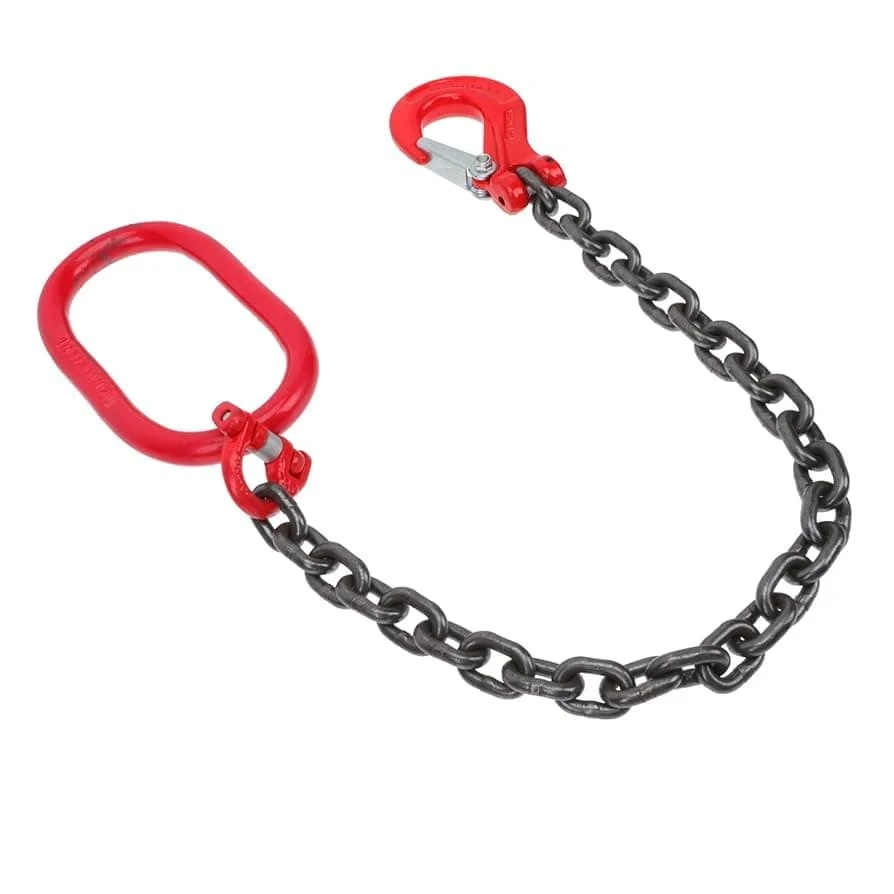

A single leg chain sling is a strong and versatile lifting accessory commonly used in industrial, construction, and engineering environments. It is designed to connect a load to lifting equipment such as cranes, hoists, or lifting beams. Choosing the right single leg chain sling is essential for safe and efficient lifting operations, as the wrong selection can lead to accidents, equipment damage, or load instability. This guide explains what a single leg chain sling is, how it is used, and the key factors to consider when choosing the correct sling for a specific lifting task.
Understanding What a Single Leg Chain Sling Is
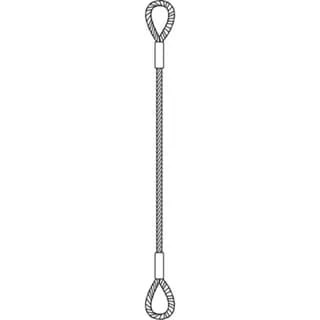
A single leg chain sling consists of a single length of high strength chain fitted with a lifting hook or other attachment at one end and a master link or ring at the other. The chain is typically made from alloy steel and is designed to withstand heavy loads and harsh working conditions.
Purpose of a Single Leg Chain Sling
The primary purpose of a single leg chain sling is to provide a secure connection between a load and lifting equipment. It is ideal for lifting loads that require a strong, durable, and adjustable lifting solution. The chain can be adjusted in length by changing the position of the hook, making it suitable for loads of different sizes.
Common Applications
Single leg chain slings are commonly used for lifting machinery, steel components, construction materials, and heavy industrial items. They are especially useful in environments where loads may have sharp edges or high temperatures, as chain slings are more resistant to damage than synthetic slings.
Key Factors to Consider When Choosing a Single Leg Chain Sling
Selecting the right single leg chain sling involves more than choosing a chain of sufficient length. Several important factors influence safe lifting performance.
Load Weight and Working Load Limit
The load weight is the most important consideration when choosing a single leg chain sling. The sling must have a working load limit that exceeds the total weight of the load. Working load limits are determined by the chain size and grade, and they provide a safety margin to account for dynamic forces during lifting.
Load Shape and Attachment Points
The shape of the load and the available attachment points influence how the single leg chain sling will be connected. Loads with multiple lifting points may require different lifting configurations, and the sling must be able to connect securely without causing imbalance or damage.
Environment and Operating Conditions
The operating environment affects the choice of materials and protective features. For example, high temperature environments or exposure to chemicals may require specialised chain or protective coatings. Choosing a chain sling suitable for the environment helps maintain strength and reliability.
Choosing the Correct Chain Grade and Size
Chain grade and size determine the strength and suitability of a single leg chain sling.
Understanding Chain Grades
Chain grades indicate the material strength and performance characteristics. Higher grade chains offer greater strength and durability, making them suitable for heavier loads. Choosing the correct chain grade ensures the sling can handle the required lifting capacity.
Selecting the Correct Chain Size
The diameter of the chain links affects the working load limit. Larger chain sizes provide higher load capacity but also increase weight and reduce flexibility. Selecting the correct chain size balances strength and ease of use.
Selecting the Right Sling Length
Sling length influences load stability and the lifting configuration.
Determining Required Length
The required length depends on the height of the lift and the position of attachment points. It is important to ensure the sling is long enough to connect securely without placing the load at an unsafe angle.
Adjustability and Practical Use
Single leg chain slings offer adjustability by changing the hook position. This allows operators to adapt the sling to different loads. However, ensuring the chain is not twisted or improperly routed is essential for safe lifting.
Choosing the Correct End Fittings
End fittings play a key role in how a single leg chain sling is connected to the load and lifting equipment.
Types of End Fittings
Common end fittings include hooks, pear shaped links, and shackles. The choice depends on the load attachment points and the lifting equipment used. Hooks with safety latches provide added security by preventing accidental disengagement.
Ensuring Compatibility
End fittings must be compatible with the lifting points on the load and the crane or hoist hook. Mismatched fittings can cause improper load distribution or slippage. Ensuring correct compatibility improves safety and performance.
Considering Safety and Certification
Safety is a critical consideration when choosing a single leg chain sling.
Certification and Standards
Single leg chain slings should meet recognised safety standards and be certified for use. Certification provides assurance that the sling has been tested and rated for lifting applications.
Regular Inspection and Maintenance
Chain slings must be inspected regularly for signs of wear, stretching, corrosion, or damage. Regular inspection ensures that any defects are identified early and that the sling remains safe to use. Damaged slings should be removed from service immediately.
Understanding Load Angles and Their Effect on Capacity
Load angles significantly affect the capacity of a single leg chain sling, especially when used with lifting beams or multiple slings.
Vertical Lifting
In vertical lifting, the load is lifted straight up, and the single leg chain sling carries the full load. This configuration provides the maximum rated capacity.
Angled Lifting
When the sling is used at an angle, the effective load on the chain increases. This reduces the safe working load limit. Accurate calculation of angles is essential to ensure the sling is not overloaded.
Common Mistakes to Avoid
Avoiding common mistakes improves safety and prevents lifting failures.
Using the Wrong Chain Grade
Using a chain with insufficient grade for the load can lead to deformation or failure. Choosing the correct grade is essential for safe lifting.
Overloading the Sling
Overloading a single leg chain sling is a major safety risk. Always verify the working load limit and ensure it exceeds the load weight.
Ignoring Wear and Damage
Ignoring signs of wear or damage can result in unexpected failure. Regular inspection and maintenance help prevent accidents.
Training and Operator Awareness
Proper training is essential for safe lifting operations using single leg chain slings.
Importance of Training
Operators should understand how to select, inspect, and use single leg chain slings correctly. Training helps ensure correct attachment, load balance, and safe operation.
Promoting Safe Lifting Practices
Encouraging safe practices such as correct routing, avoiding sharp edges, and checking load angles helps maintain safety on site. Workers should feel confident reporting damaged equipment or unsafe conditions.
Final Thoughts on Choosing a Single Leg Chain Sling
Choosing the right single leg chain sling involves careful consideration of load weight, chain grade, length, end fittings, and operating conditions. Accurate assessment of the load and environment helps ensure the sling is suitable and safe for the task. By prioritising safety, inspection, and proper training, lifting operations can be carried out efficiently and securely. A well chosen single leg chain sling supports reliable lifting performance and contributes to a safer working environment across a wide range of industrial applications.

























Sign in to leave a comment.