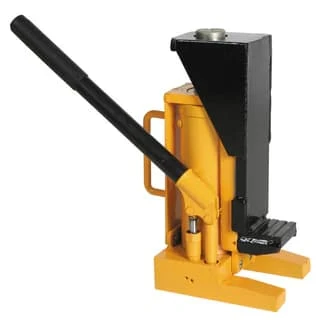

Selecting the right lifting shackles is a critical step in ensuring safe and efficient lifting operations across construction, industrial, marine, and maintenance environments. These components play a vital role in connecting loads to lifting devices, chains, or slings, and the wrong choice can lead to instability, equipment damage, or serious safety risks. Understanding the key factors involved in selection helps operators make informed decisions that support both performance and compliance.
Correct selection is not only about matching size or appearance. It involves evaluating load requirements, environmental conditions, and the specific lifting configuration. By considering these elements carefully, lifting operations can be carried out with greater confidence and reliability.
Understanding Load Capacity Requirements
Load capacity is one of the most important factors when selecting lifting shackles. Each shackle is rated for a specific working load limit, which indicates the maximum weight it can safely handle. Choosing a shackle with insufficient capacity increases the risk of failure under load.
It is also important to account for dynamic forces that may occur during lifting. Sudden movements, shifting loads, or environmental factors can increase stress beyond the stated load. Selecting a shackle with an adequate safety margin helps maintain stability during real world operations.
Choosing the Appropriate Shackle Type
Different lifting tasks require different shackle designs. Bow shaped options are often used when loads may be applied at an angle or when multiple connections are needed. Their rounded shape allows for better load distribution in more complex lifting setups.
Straight sided designs are typically chosen for straight line lifts where alignment is consistent. These are well suited for controlled environments where the load remains centered. Understanding the intended application ensures the selected shackle performs as expected.
Selecting the Correct Size and Pin Type
Shackle size should match both the load and the connecting components. An undersized shackle may not accommodate slings or hooks properly, while an oversized one can introduce unnecessary movement and imbalance.
Pin type is another important consideration. Screw pin designs are convenient for temporary or adjustable setups, while bolt type pins offer additional security for long term or critical lifts. Matching pin style to application requirements improves safety and ease of use.
Considering Load Direction and Angle
Load direction has a direct impact on shackle performance. Shackles are typically rated for loads applied along a specific axis. Applying force at an angle can significantly reduce their effective capacity.
When angled loading cannot be avoided, selecting a shackle designed to handle such conditions is essential. Understanding how load direction affects strength helps prevent misuse and supports safer lifting practices.
Evaluating Environmental and Usage Conditions
Environmental factors such as moisture, temperature, and exposure to chemicals can affect shackle durability. Selecting materials suited to the operating environment helps prevent corrosion, wear, and premature failure.
Usage frequency also plays a role in selection. Shackles used regularly in demanding conditions may require higher quality materials and finishes. Considering these factors ensures long term reliability and consistent performance.
Inspecting Quality and Compliance Standards
Quality inspection is a key part of selecting lifting shackles. Visual checks for defects, markings, and proper certification help verify that the equipment meets industry standards.
Compliance with relevant safety regulations ensures that shackles are suitable for professional use. Choosing certified equipment reduces liability and supports a safer working environment across all lifting operations.
Conclusion
Selecting the correct lifting shackles involves careful consideration of load capacity, design, size, load direction, and operating conditions. Each factor plays a role in ensuring safe and efficient lifting performance. By understanding these selection principles, operators can reduce risk and improve reliability in their lifting systems. For those seeking dependable equipment and expert guidance, UK Lifting Store is a trusted source for quality lifting solutions.

























Sign in to leave a comment.