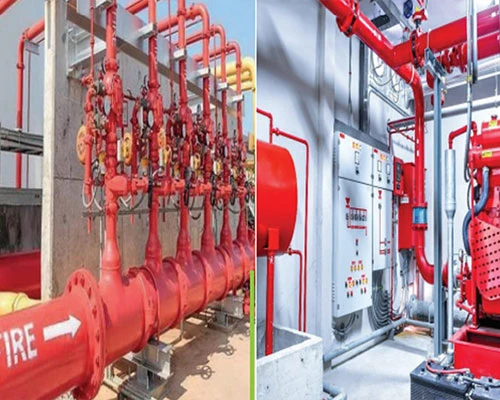

Safety charts in Saudi Arabia are standardized visual tools, including signs, posters, and diagrams designed to communicate hazard information, safety protocols, and regulations in workplaces, construction sites, and on roads. They ensure compliance with local OSHAD-SF and international safety standards to reduce accidents, highlighting risks like high voltage, slippery surfaces, or required PPE. Safety charts deployed in the above places helps educate employees about fire safety systems and how to use fire safety and self defence systems against calamities. These Safety charts (مخططات سلامة) are required to be displayed properly at various strategic points so they are easily seen and understood.
What are fire safety systems in Saudi Arabia?
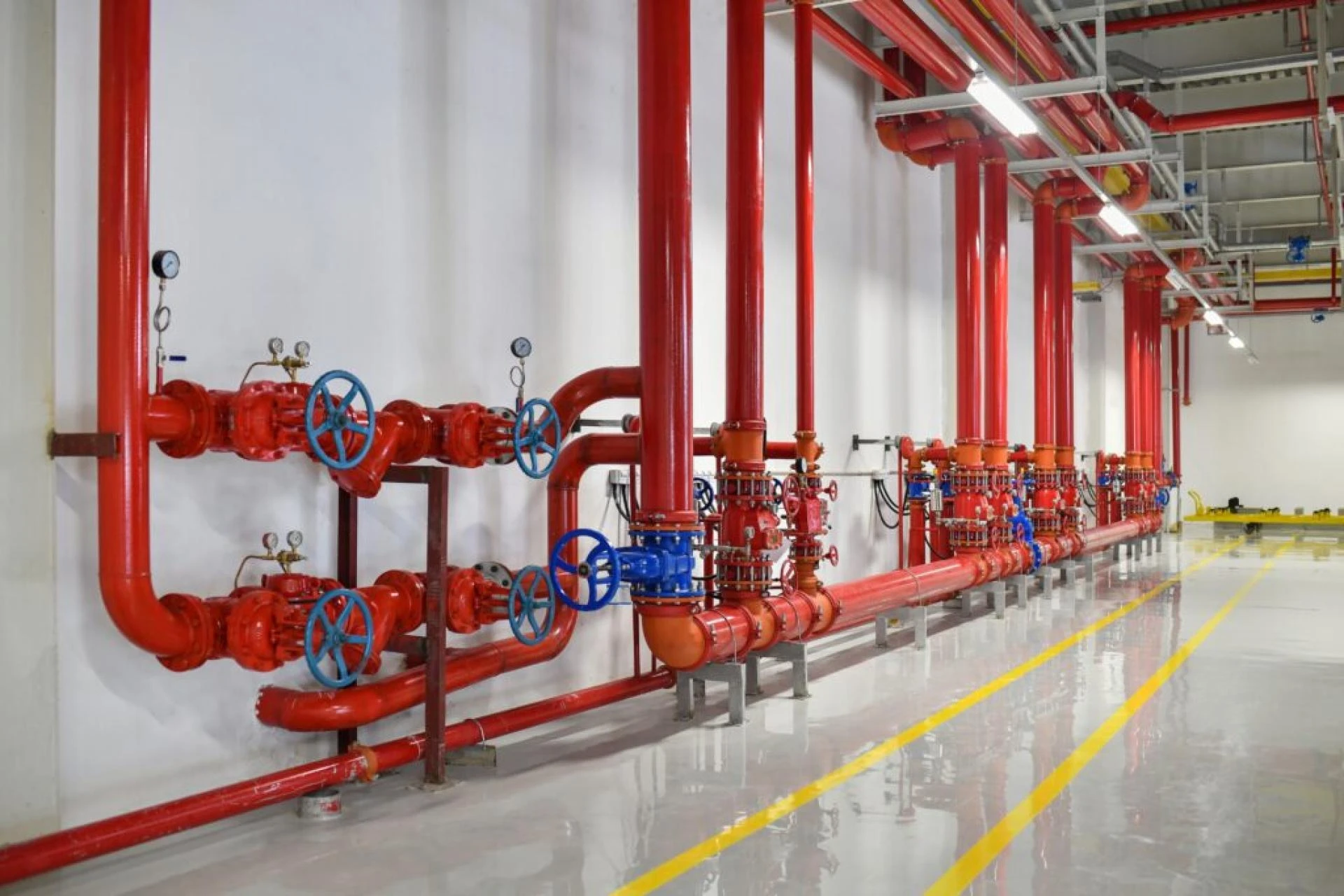
Fire safety systems are essentially installed to avert fire and prevent fire from spreading in to major inferno. Fire systems (انظمة حريق) in Saudi Arabia are strictly regulated, primarily abiding to the Saudi Building Code (SBC 801) and NFPA standards. Mandatory systems include intelligent addressable
- fire alarms,
- automatic sprinkler networks,
- specialized gas/foam suppression,
- emergency lighting
- smoke management
- Certified, regularly inspected, fire-resistant, fire-fighting, equipment.
Key components of fire system safety systems in Saudi Arabia include:
- Alarm Systems & Fire Detection - Advanced addressable systems are used for high-rise or large buildings, while conventional systems are for smaller ones. These include smoke, heat, and flame detectors connected to a central control panel.
- Automated Sprinkler Systems – Necessitated for commercial and high-risk buildings to control fire spread.
- Specialized Fire Suppression systems - Clean agent systems (e.g., FM-200, CO2) are used flammable liquid fires
- Clean agent systems (e.g., FM-200, CO2) are used for data centres and sensitive areas, while foam systems are used for flammable liquid fires.
- Fire Fighting Equipment - Portable fire extinguishers, hose reels, and hydrants must be installed and regularly tested.
- Passive Fire Protection - Fire-Proof doors, walls, and, in some cases, fire curtains are used to prevent fire spread.
- Emergency Systems – glowing exit signs and emergency lighting are required to guide safe evacuation.
- Regulatory Compliance - All systems must be approved, installed, and maintained according to Saudi Civil Defence regulations, with mandatory regular maintenance and inspections
The above said systems are designed for early detection, automatic suppression, and safe evacuation
Why need civil defence certificate?
A Civil Defence Certificate in Saudi Arabia is obtained through the "Salamah" platform, and it is mandatory safety permit issued by the General Directorate of Civil Defence. The certificate confirms that commercial facilities meet all fire safety, emergency exit, and hazard prevention standards required to operate legally. You may need a civil defence consultant to help obtain the certificate as they are essentially there to help you get these government documents.



















Sign in to leave a comment.