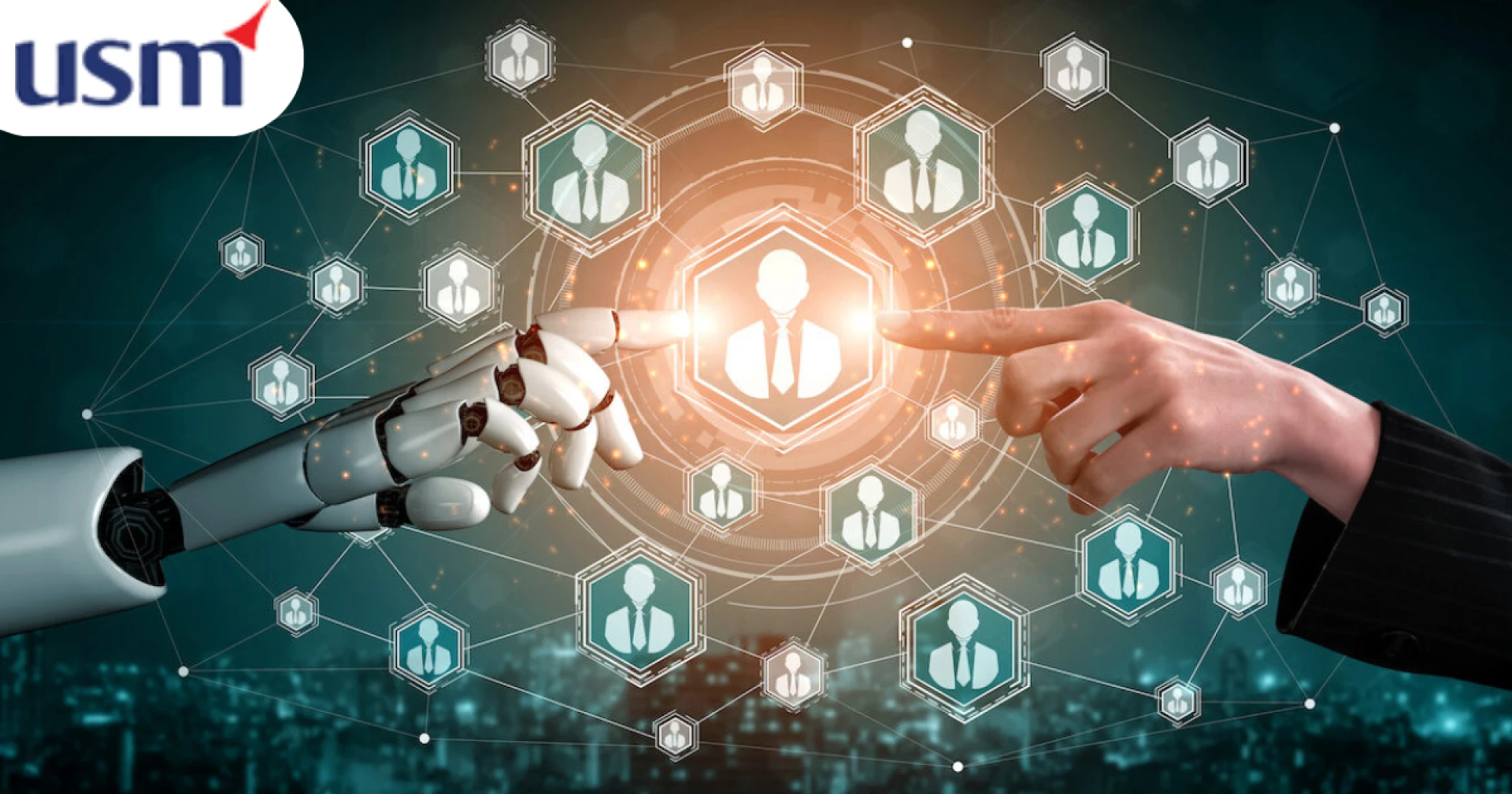

Ten Uses of Artificial Intelligence
Artificial Intelligence (AI) is one of the most transformative technologies of the modern era. It enables machines to perform tasks that typically require human intelligence, such as learning, reasoning, problem-solving, perception, and language understanding. As AI technology has matured, it has been integrated into a wide range of industries, reshaping how businesses operate and how people interact with technology. Here are ten top artificial intelligence applications and how they are revolutionizing different sectors.
1. Healthcare Diagnosis and Treatment
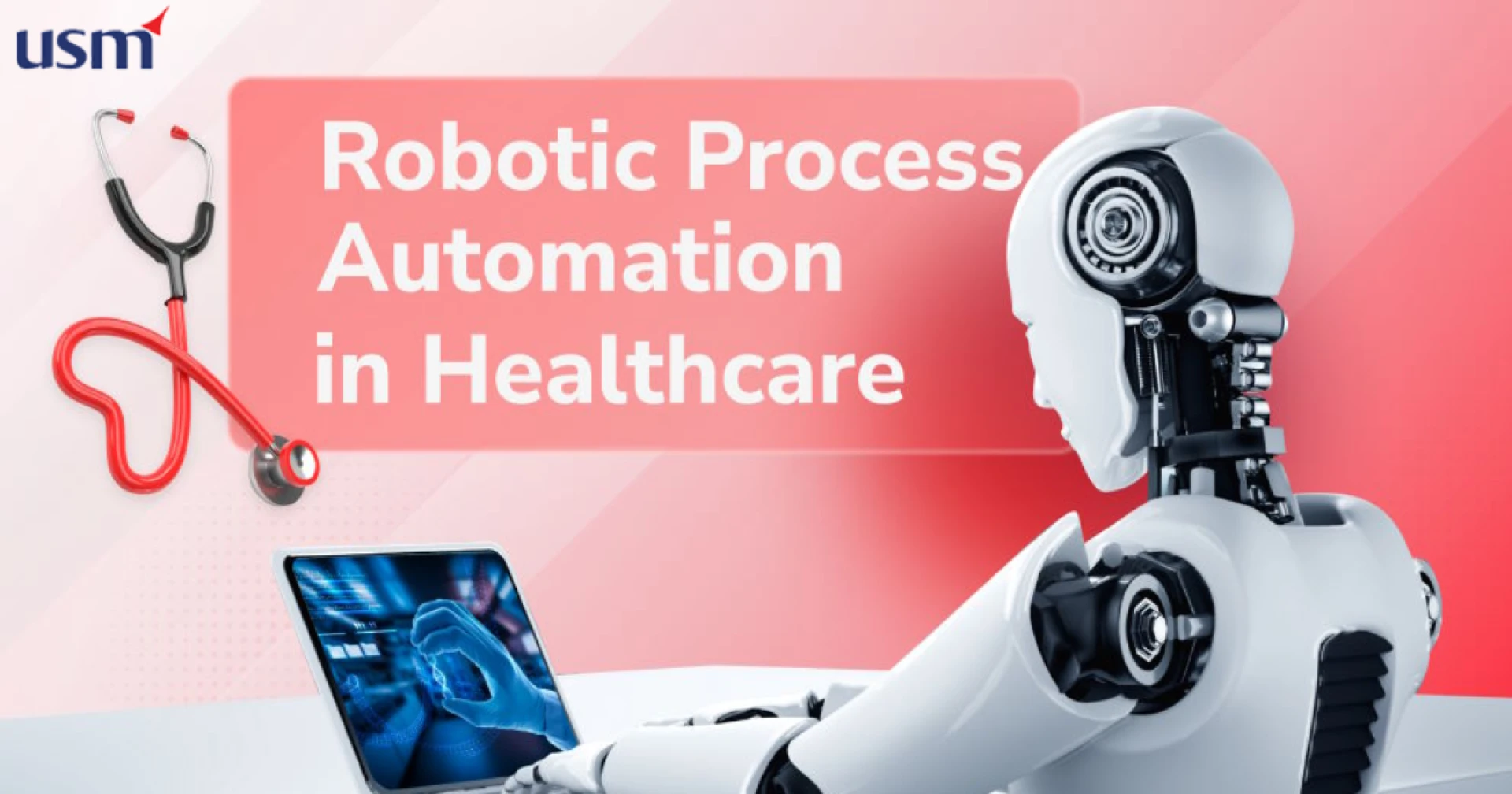
One of the most impactful uses of AI is in healthcare. AI-powered systems can analyze vast amounts of medical data, such as patient records, lab reports, and medical images, to assist in diagnosing diseases more accurately and quickly. Machine learning algorithms can detect patterns in X-rays, MRIs, or CT scans that may be missed by the human eye, allowing for early detection of conditions like cancer or neurological disorders. AI is also used to develop personalized treatment plans by analyzing a patient’s genetic makeup and medical history. Virtual health assistants and chatbots provide patients with immediate medical advice, reducing the burden on healthcare professionals.
2. Customer Service and Virtual Assistants
AI has become a backbone of modern customer service systems. AI-powered chatbots and virtual assistants like Siri, Alexa, and Google Assistant can handle routine queries, provide information, and assist users with tasks 24/7. Businesses use AI chatbots on their websites and social media platforms to respond instantly to customer inquiries, improving response times and customer satisfaction. Natural Language Processing (NLP) allows these assistants to understand and respond to human language in a conversational way, offering a more personalized customer experience while reducing operational costs.
3. Autonomous Vehicles
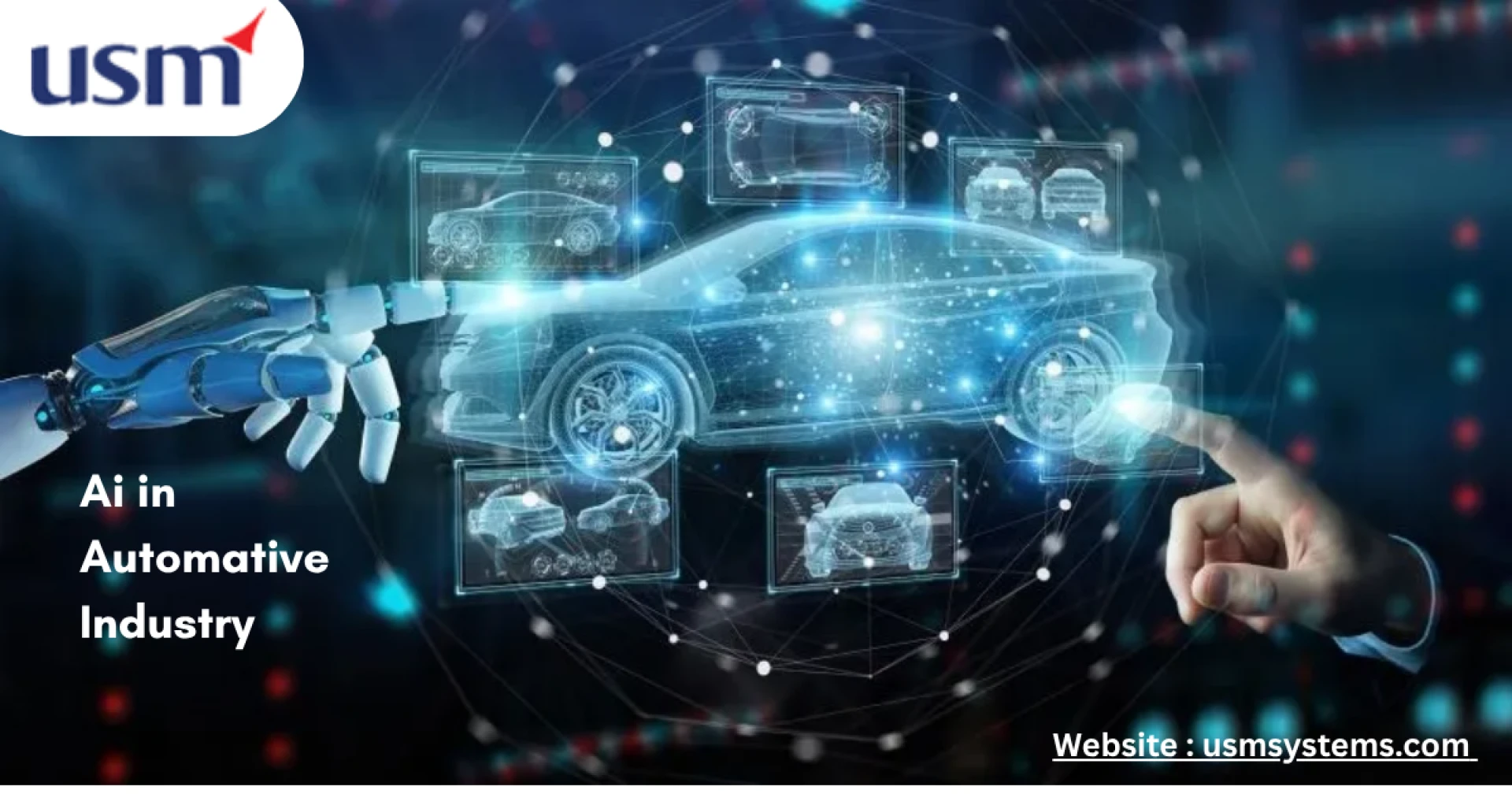
AI plays a central role in the development of self-driving cars. These vehicles rely on AI algorithms combined with sensors, cameras, and radar systems to perceive their surroundings, detect obstacles, follow traffic rules, and make real-time driving decisions. Machine learning enables autonomous vehicles to learn from massive amounts of driving data, improving their performance over time. AI also assists with advanced driver-assistance systems (ADAS) like lane departure warnings, adaptive cruise control, and automated parking, enhancing road safety even in traditional vehicles.
4. Fraud Detection and Cybersecurity
In the financial sector, AI is widely used to detect and prevent fraudulent activities. Banks and payment processors implement machine learning models to analyze transaction patterns and detect anomalies that might indicate fraud, such as unusual spending behavior or unauthorized access. AI systems can monitor millions of transactions in real time, identifying potential threats much faster than human analysts. In cybersecurity, AI tools help identify malware, phishing attacks, and data breaches by spotting suspicious patterns and vulnerabilities, thereby strengthening digital security.
5. Manufacturing and Industrial Automation
AI-driven automation is transforming manufacturing by increasing productivity and efficiency. Robots powered by AI can perform repetitive tasks like assembling, welding, and packaging with high precision and speed. Predictive maintenance systems use AI to analyze equipment performance data and forecast potential failures before they occur, reducing downtime and maintenance costs. AI also helps optimize supply chains by predicting demand, managing inventory, and improving logistics, which reduces waste and operational expenses.
6. Education and Personalized Learning
AI is reshaping the education sector through personalized learning platforms. These systems analyze student performance data and adapt the content, pace, and difficulty of lessons to suit individual learners’ needs. AI tutors and virtual teaching assistants provide additional support, answering questions and guiding students through complex topics. Educators can use AI analytics to identify students who may need extra help, design customized learning paths, and even automate grading and administrative tasks, freeing up more time for teaching and mentoring.
7. E-commerce and Recommendation Systems
AI powers recommendation engines that are widely used in e-commerce platforms like Amazon, Netflix, and Spotify. These systems analyze users’ browsing history, purchase patterns, and preferences to suggest relevant products, movies, or music. By offering personalized recommendations, AI increases customer engagement, satisfaction, and sales. Additionally, AI assists in inventory management, dynamic pricing, and demand forecasting, allowing online retailers to operate more efficiently and profitably.
8. Agriculture and Precision Farming
AI is revolutionizing agriculture through precision farming techniques. AI-driven drones and sensors collect data on soil conditions, weather patterns, crop health, and pest infestations. Machine learning models analyze this data to help farmers make informed decisions about irrigation, fertilization, and harvesting schedules. AI systems can also predict crop yields and detect plant diseases at an early stage, reducing losses and increasing productivity. By using AI, farmers can optimize resources, improve crop quality, and promote sustainable farming practices.
9. Finance and Investment Analysis
In the finance industry, AI is used extensively for market analysis, risk assessment, and automated trading. AI algorithms can process large datasets from financial markets to identify trends, predict stock movements, and make real-time trading decisions. Robo-advisors provide automated investment advice to individuals based on their financial goals and risk tolerance. AI also streamlines loan approval processes by evaluating applicants’ creditworthiness more accurately and quickly than traditional methods.
10. Entertainment and Content Creation
AI is increasingly used to create and enhance entertainment content. Streaming platforms use AI to curate personalized content recommendations, while game developers use AI to design realistic environments and non-player characters (NPCs). AI tools can also generate music, write scripts, and edit videos automatically. Content creators leverage AI-powered software to enhance images, add visual effects, and automate repetitive editing tasks, speeding up production and fostering creativity.
Read Also : ai use cases for manufacturing




























Sign in to leave a comment.