Power plants operate 24/7, managing complex systems that generate electricity for thousands of homes and businesses. With high-voltage equipment, flammable materials, and intricate infrastructure, these facilities face unique fire risks that demand specialized protection. Firewatch security services in La Puente provide critical surveillance and rapid response capabilities that standard fire alarm systems alone cannot deliver. When fire suppression systems undergo maintenance or when heightened risk conditions exist, trained firewatch personnel become the essential human barrier between potential ignition sources and catastrophic damage. This article explores how professional firewatch teams safeguard power generation facilities through vigilant monitoring, immediate threat detection, and coordinated emergency response protocols.
Why Do Power Plants Require Specialized Fire Prevention Teams?
Power generation facilities house transformers filled with insulating oils, turbine systems generating extreme heat, and fuel storage areas containing combustible materials. A single spark in these environments can escalate into widespread destruction within minutes. Unlike office buildings or retail spaces, power plants cannot simply evacuate and resume operations later—electrical grid stability depends on continuous output.
Traditional fire detection systems may experience downtime during upgrades, repairs, or code compliance work. During these vulnerable periods, human observation becomes the primary defense mechanism. Trained security professionals understand the specific hazards present in electrical generation environments, from corona discharge patterns to coolant system anomalies that precede thermal events.
Continuous Monitoring of High-Risk Equipment Zones
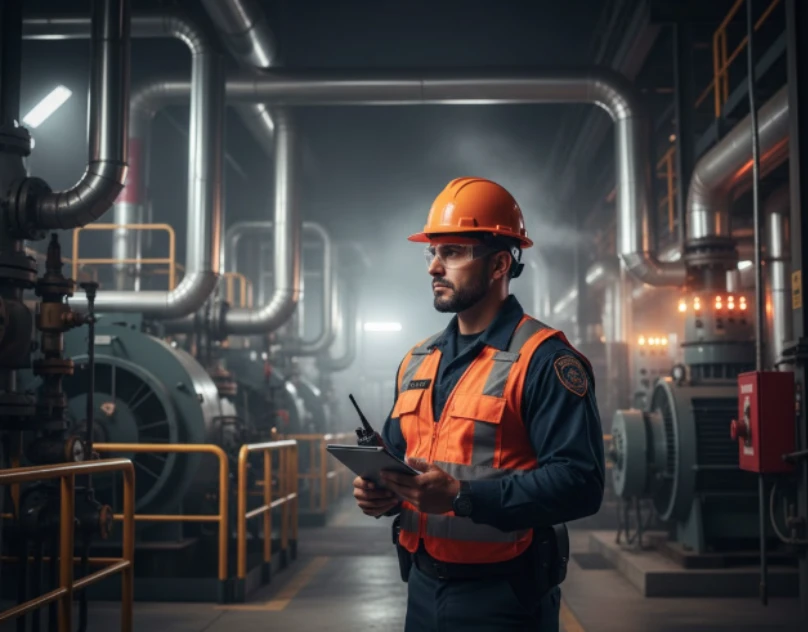
Firewatch personnel conduct systematic patrols through designated areas, focusing on locations with elevated fire potential. Generator halls, switchgear rooms, battery storage facilities, and cable tunnels receive frequent inspections. Guards document temperature readings, inspect for unusual odors indicating overheating, and verify that clearances around electrical equipment remain unobstructed.
These professionals carry communication devices enabling instant contact with plant operators and emergency responders. Their presence ensures that developing situations receive immediate attention rather than progressing unnoticed until automated systems trigger—or fail to detect—dangerous conditions.
What Happens When Fire Suppression Systems Go Offline?
Regulatory requirements mandate continuous fire protection capabilities. When sprinkler systems, gas suppression equipment, or detection networks undergo maintenance, facilities must implement compensating measures. Firewatch security services in La Puente fulfill this compliance obligation by providing human surveillance that meets safety standards during system outages.
Guards maintain hourly patrol logs, verifying that fire extinguishers remain accessible, exit routes stay clear, and no hot work occurs in restricted zones. This documentation proves essential during safety audits and demonstrates due diligence to insurance providers and regulatory agencies.
Rapid Response During Emerging Fire Situations
Speed determines survival in power plant fire scenarios. Firewatch teams train specifically in early intervention techniques appropriate for electrical environments. They understand which types of extinguishing agents to deploy based on fire classification—never using water on energized equipment, for instance.
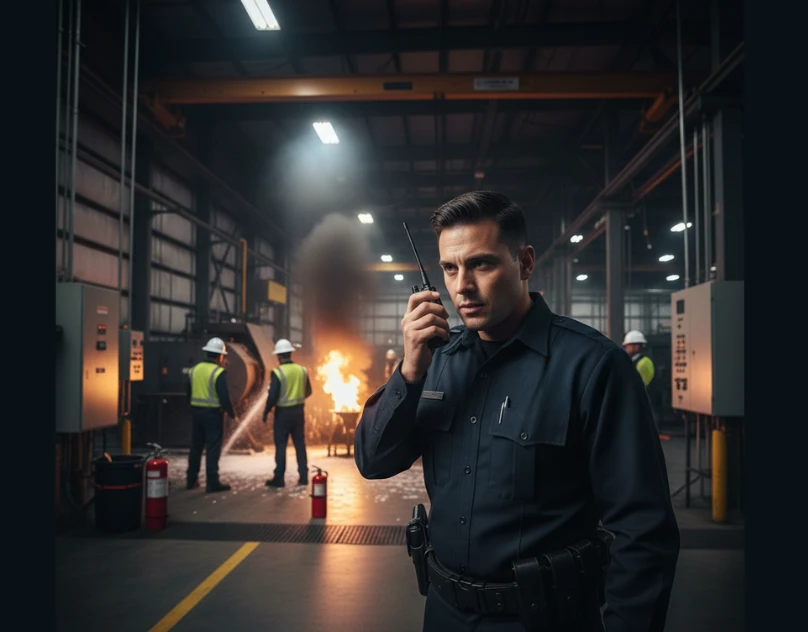
When guards identify smoke, unusual heat, or visible flames, they immediately activate emergency protocols while simultaneously alerting facility management and local fire departments. This dual-action approach ensures that suppression efforts begin instantly while professional firefighters receive advance notice about the specific hazards they’ll encounter, including voltage levels and chemical inventories.
Coordination with Plant Operations and Engineering Staff
Effective fire prevention requires seamless communication between security personnel and technical teams. Firewatch guards receive briefings about planned maintenance activities, temporary conditions that increase fire risk, and equipment operating outside normal parameters. This knowledge allows them to focus attention on areas where problems are most likely to develop.
Plant engineers rely on firewatch observations to identify potential issues before they escalate. A guard noticing unusual vibrations in a motor housing or detecting burning insulation smells provides valuable early warnings that maintenance teams can address proactively.
How Do Firewatch Services Differ from Standard Security Guards?
While both roles involve protective presence, firewatch specialists possess specific training in fire behavior, suppression techniques, and hazardous material awareness. They understand combustion dynamics, recognize pre-ignition indicators, and know emergency shutdown procedures for various power generation equipment types.
Standard security focuses primarily on access control and theft prevention. Firewatch personnel prioritize thermal threat detection and fire code compliance, requiring a completely different skill set centered on life safety rather than asset protection alone.
Compliance Documentation and Regulatory Requirements
Power plants face strict oversight from multiple agencies governing electrical safety, environmental protection, and worker welfare. Firewatch security services in La Puente maintain detailed records that demonstrate continuous compliance with fire safety mandates. These logs include patrol timestamps, observed conditions, corrective actions taken, and incident reports.
During inspections, regulatory auditors review these documents to verify that facilities maintain adequate fire protection during all operational phases. Incomplete or inaccurate firewatch records can result in citations, operational restrictions, or insurance complications that disrupt power generation schedules.
Integration with Emergency Response Plans
Every power plant maintains comprehensive emergency action plans outlining evacuation procedures, communication protocols, and coordination with external fire departments. Firewatch guards receive training on these plans and understand their specific responsibilities during various emergency scenarios.
They know which personnel to contact for different situations, where assembly points are located, and how to guide first responders to affected areas through complex facility layouts. This familiarity proves crucial when seconds matter, and confusion could delay life-saving interventions.
Protecting Critical Infrastructure Investment
Power generation facilities represent multi-million dollar investments in equipment and infrastructure. Beyond the immediate cost of fire damage, extended downtime disrupts electricity supply, triggers contractual penalties, and damages the utility’s reputation for reliability. Professional firewatch services protect this substantial capital investment through vigilant oversight that prevents small problems from becoming major catastrophes.
Insurance providers recognize the value of human fire prevention and often adjust premiums based on the quality of firewatch programs. Facilities demonstrating comprehensive fire safety practices through documented patrol services may qualify for more favorable coverage terms compared to those relying solely on automated systems.
Power plant operators face complex challenges in maintaining continuous fire protection while managing routine maintenance, regulatory compliance, and operational efficiency. Specialized firewatch professionals bring the expertise, vigilance, and rapid response capabilities necessary to safeguard these critical facilities. Whether covering temporary system outages or providing enhanced monitoring during high-risk activities, these trained personnel serve as an essential layer of protection for the infrastructure that keeps communities powered. For facility managers seeking reliable fire prevention solutions, partnering with experienced firewatch providers ensures both safety and compliance in demanding industrial environments.













Sign in to leave a comment.