
Fintech applications handle and manage a person’s sensitive financial information, such as account balance, transaction details, etc. Since this information is very valuable, developers building fintech apps must implement reliable security measures in them to keep user data safe from misuse or unauthorized access. These measures are collectively called mobile app security best practices, and using them consistently is essential for every team building or maintaining fintech applications.
Fintech apps deal with payments, account management, credit scoring, investment tracking, and other sensitive tasks. This puts them under strict oversight, and it also means attackers constantly try to find gaps in the app or the infrastructure. To protect users and maintain trust, teams must approach protection as a continuous process—not a one-time checklist.
Why Do Fintech Apps Need Stronger Security?
Fintech apps store a large amount of confidential information and communicate frequently with external systems such as payment gateways, servers, NFC terminals, and identity verification services. If any of these communication paths are weak, sensitive information can leak or be manipulated.
In addition to technical challenges, businesses must also meet the expectations of regulators. This makes business application security an important responsibility, not just an optional check. When a fintech app fails to protect data properly, the impact goes beyond individual users. The organization risks losing its reputation, facing legal penalties, interrupting essential services etc. Hence, fintech app security is one of the most important focus areas today.
Security Best Practices For Fintech Apps
Some of the most important fintech mobile app security best practices are:
Strengthen user authentication and access logic
Apps should not allow unlimited login attempts, and session durations should be controlled to reduce unauthorized access risks. Features like device binding, behavioral checks, and step-up authentication make it harder for attackers to break into accounts even if they obtain user credentials.
Control data access inside the application
Not every user role should have access to all functions. Implementing role-based permissions ensures restricted information stays visible only to the right users. This reduces damage even if one account is compromised.
Replace sensitive data with secure tokens
Tokenization helps ensure that information like account numbers or transaction identifiers never appears in their real form inside logs, communication channels, or storage. Even if a leak occurs, tokens are useless to attackers.
Develop with security regulations in mind
Businesses should ensure their app development process aligns with major requirements such as PCI DSS (Payment Card Industry Data Security Standard), GDPR (General Data Protection Regulation), and relevant financial authority guidelines in their country. Development teams should embed security rules into their development pipelines so apps remain compliant throughout their lifecycle.
Strengthening Fintech App Security
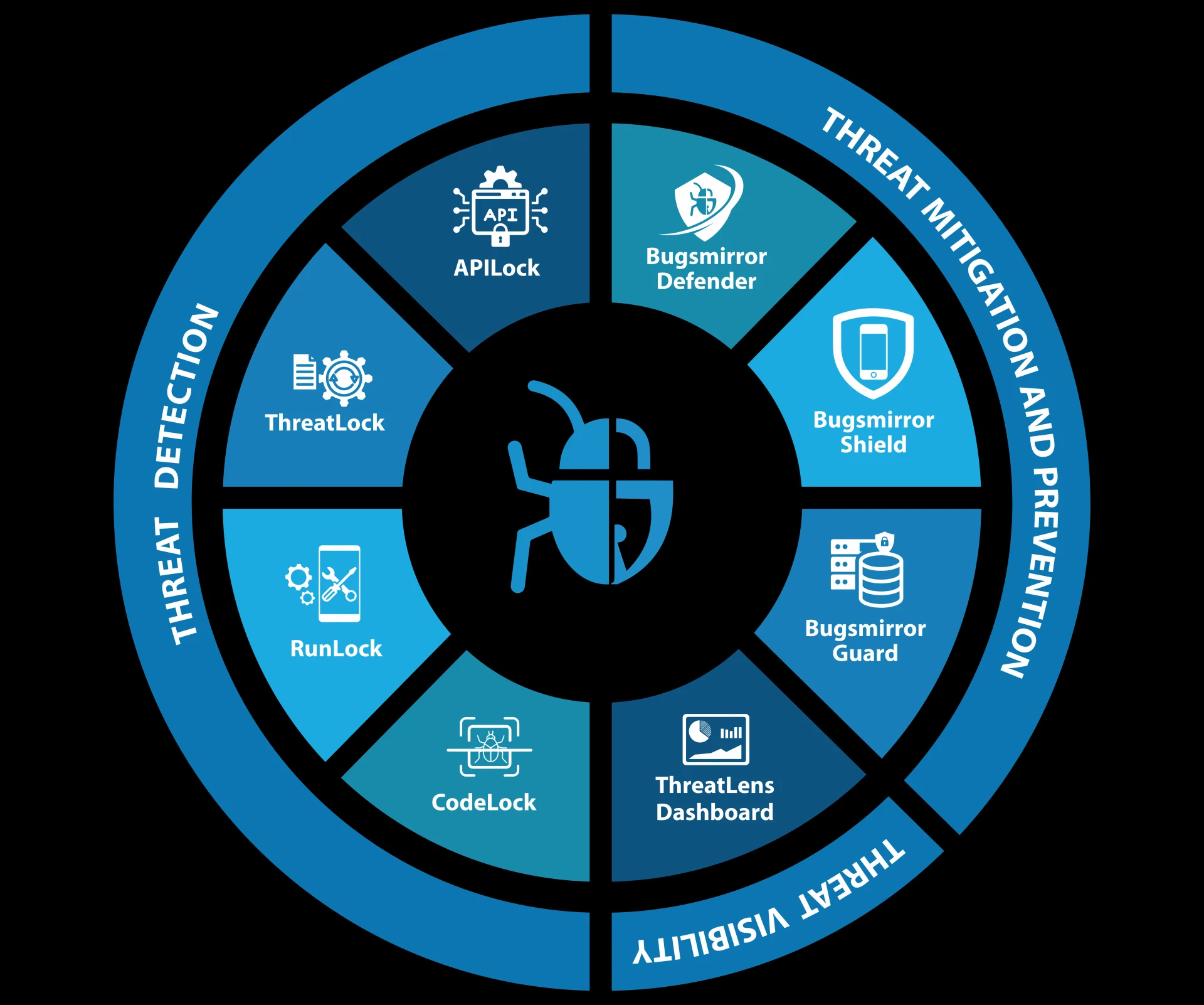
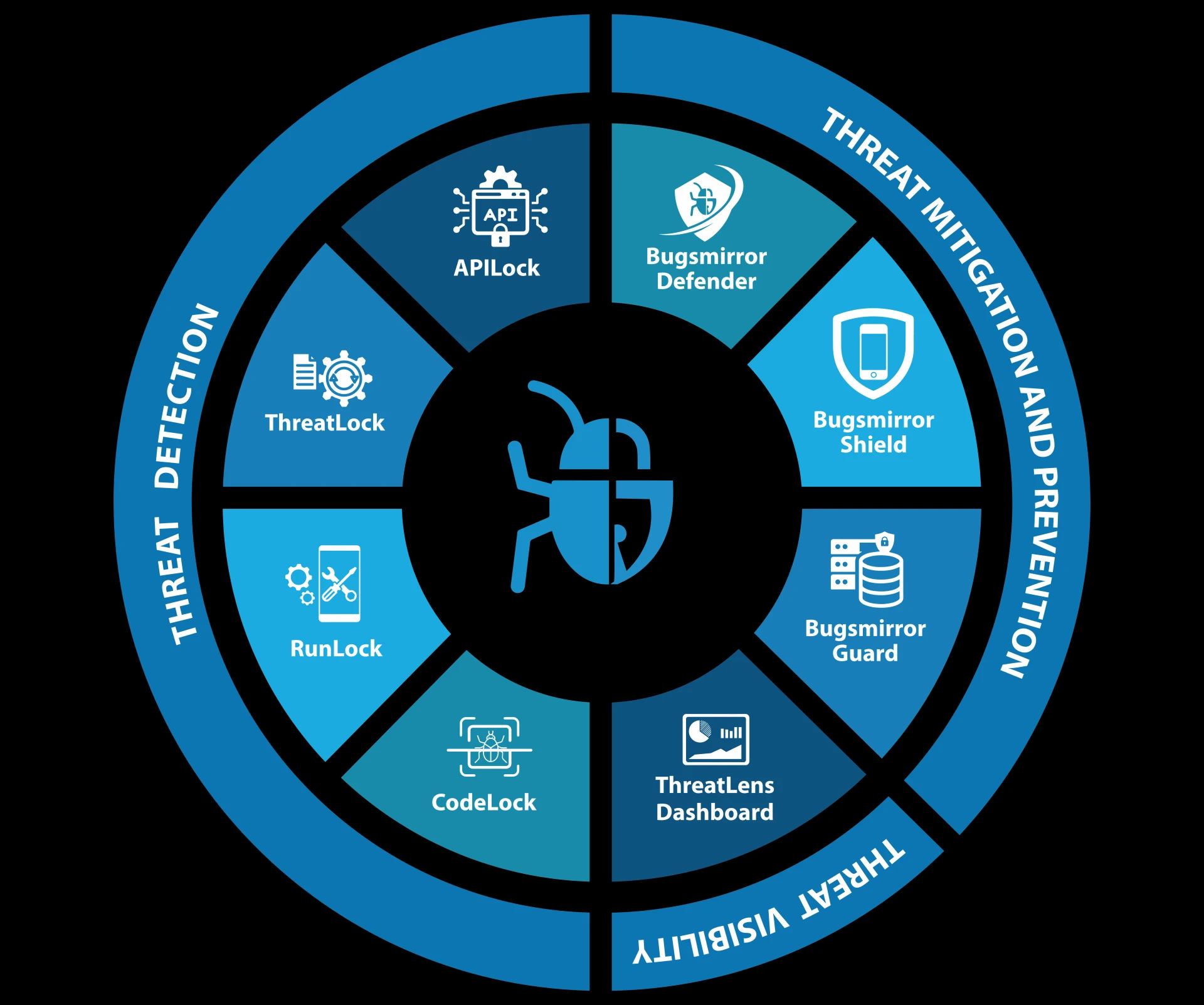
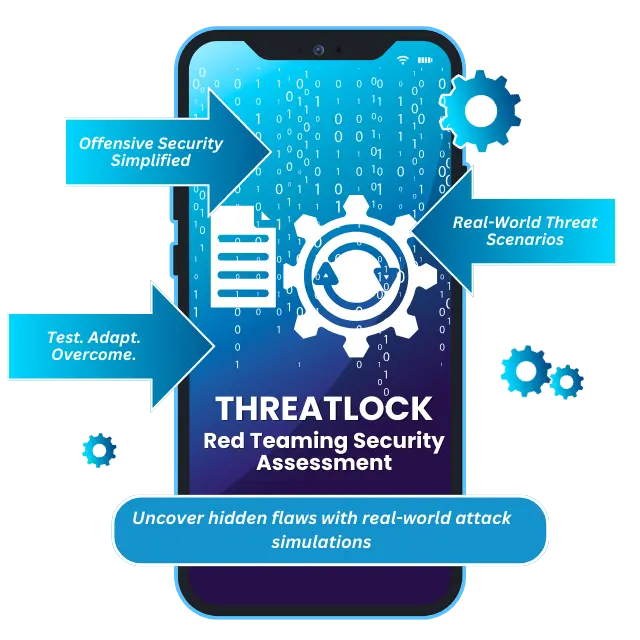
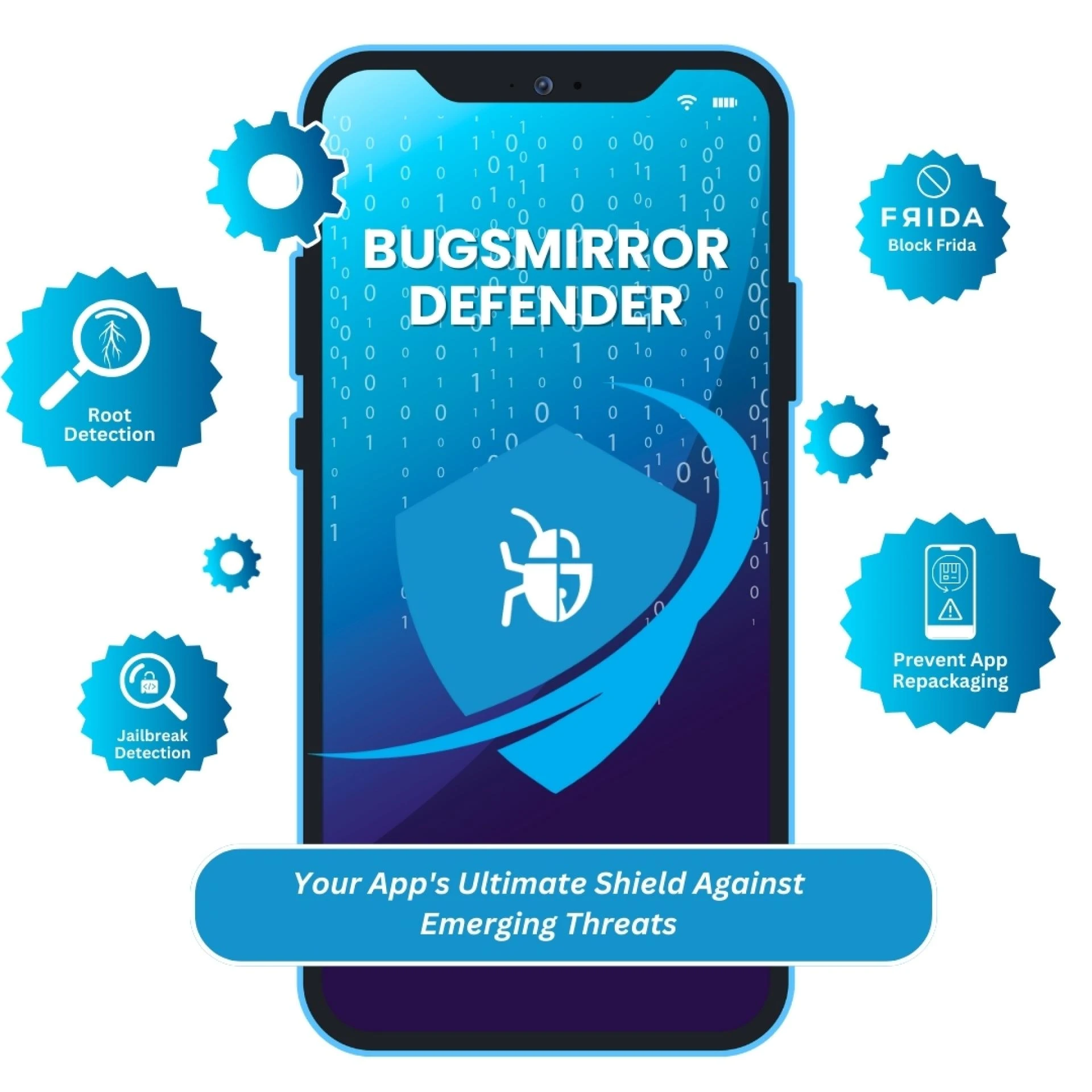
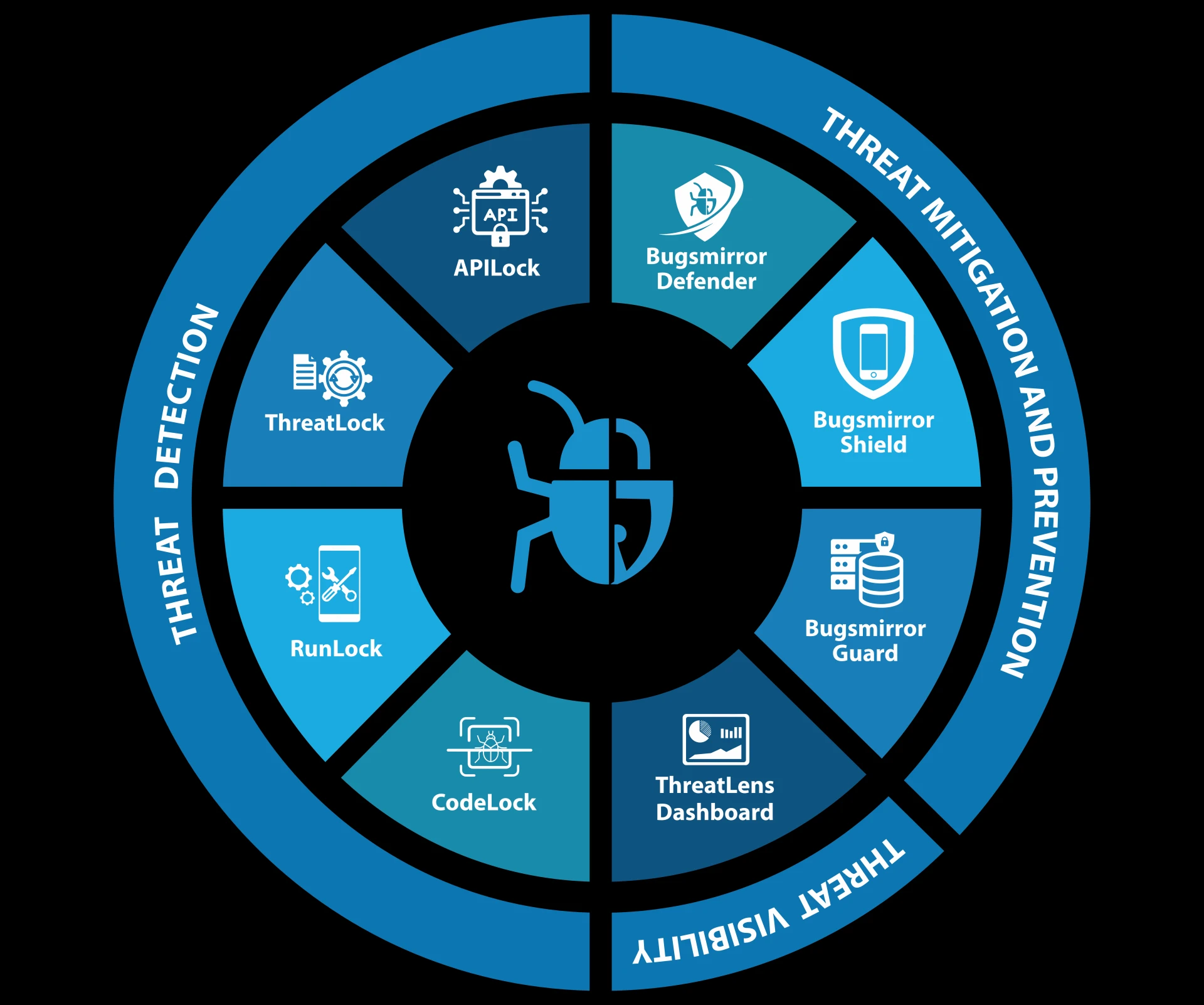
As financial services and transactions grow rapidly, new security risks emerge almost every month. Fintech app developers need reliable security solutions to detect, understand and mitigate security threats and attacks before users are affected. Bugsmirror MASST (Mobile Application Security Suite and Tools) is an end-to-end security platform that helps developers build secure fintech apps with security products and services for threat detection, mitigation, and visibility. With Bugsmirror MASST, developers can protect their fintech apps in real time, ensuring they remain safe, stable, and reliable even as the threat landscape evolves.

























Sign in to leave a comment.